


Two-tone brown exterior paint: warm earth-tone combinations you won't tire of
A brown-toned house is the one that gets along best with trees and Thai dust. Just make the light colour the lead, and let the dark brown play a supporting role that knows its place.
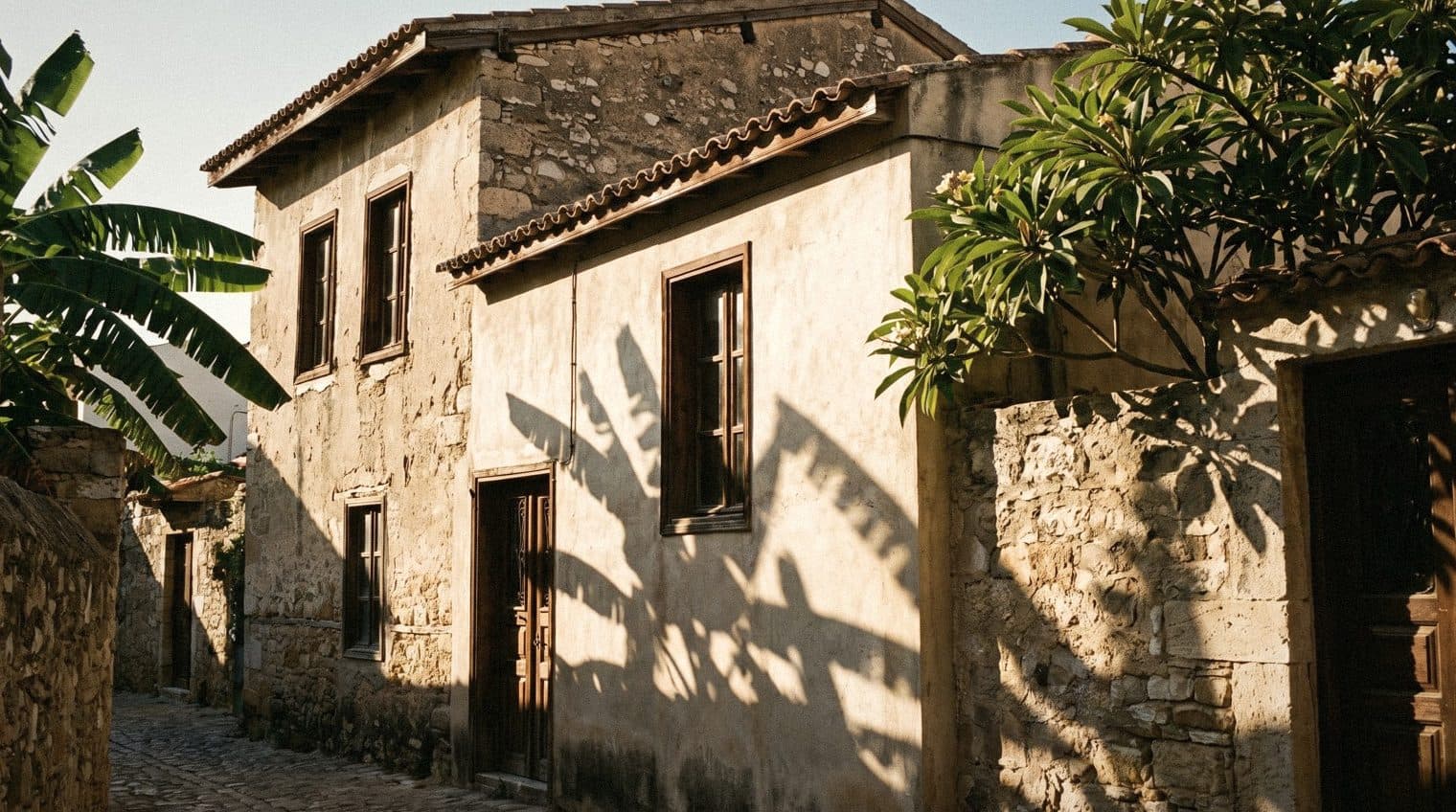
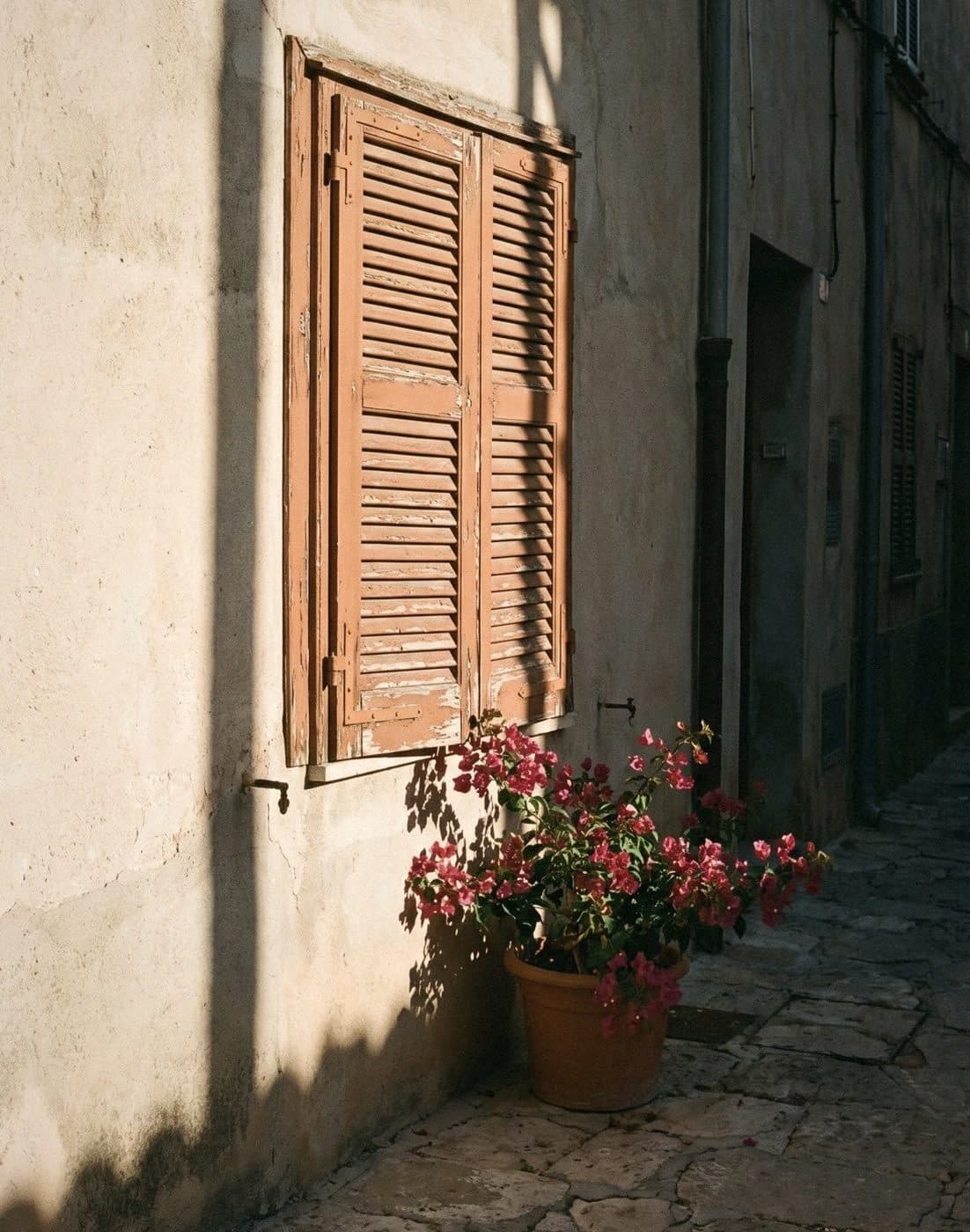
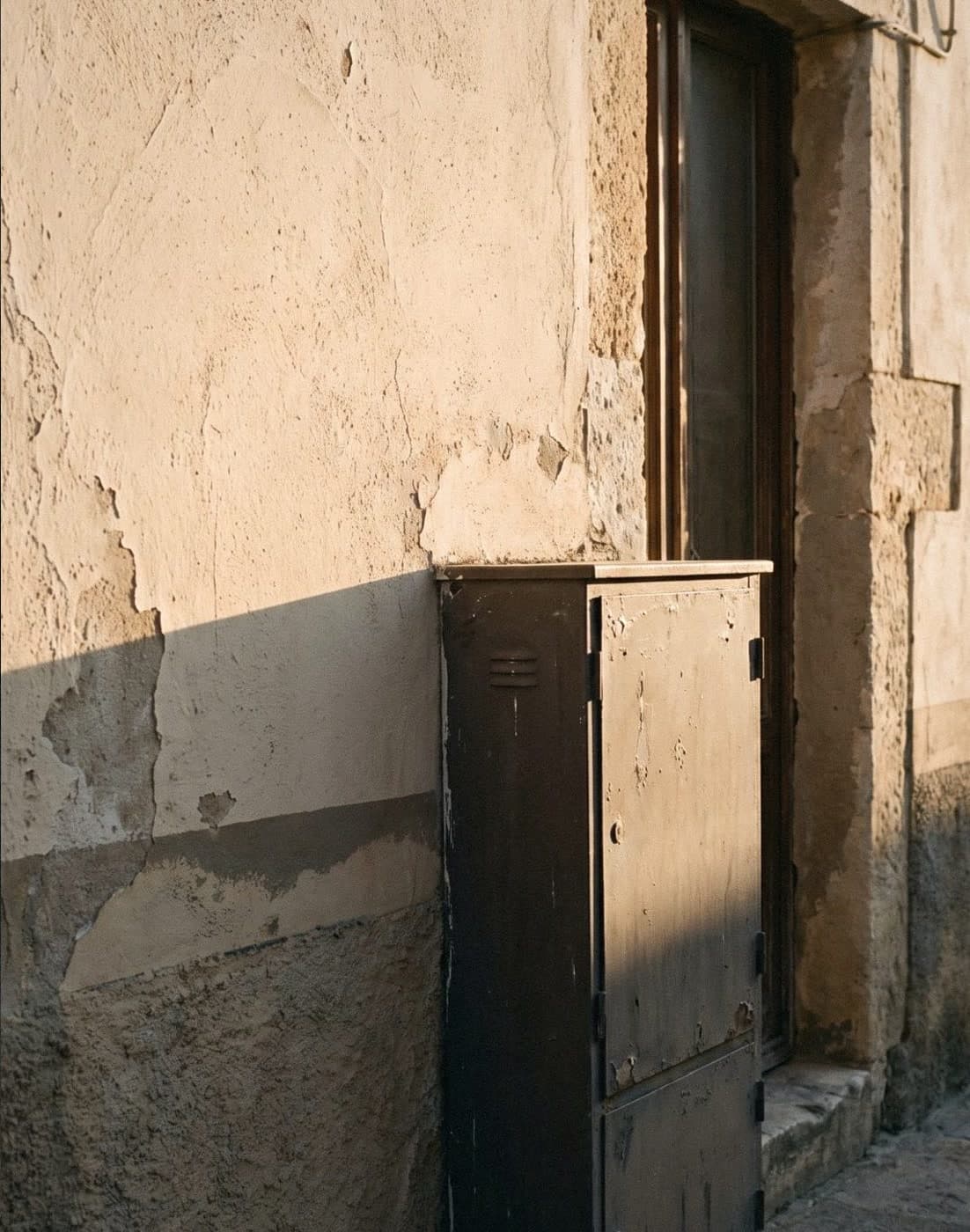
A good-looking two-tone brown exterior usually uses a warm light colour such as cream, beige or sand for the main walls, then a smaller amount of dark brown, coffee or terracotta for the bands, trim and door. This kind of pairing goes with wood, brick and greenery, hides dust better than a white house, and isn't as hot as painting the whole house dark brown.
Why two-tone brown exterior paint suits Thai homes
Brown is the colour of earth, wood and dry leaves, so a brown-toned house blends into the garden and its surroundings without trying, like khaki trousers that never look out of place. Road dust and the mud that splashes up in the rainy season don't give themselves away on a warm-toned wall the way they do on a white one.
But brown has its traps. Paint the whole house dark brown and it looks heavy, hot and dark, especially if the eaves are short. The formula that works is a light colour for the main walls, with dark brown doing the framing. It's like Thai iced coffee: it needs the milk, or it's too bitter.
- A warm light colour for the main walls, about 60–70% of the wall area
- A mid or dark brown for the bands, trim or the lower part of the wall
- The door or window shutters in the darkest colour, or in real wood
- No more than three main colours, not counting real materials like wood and stone
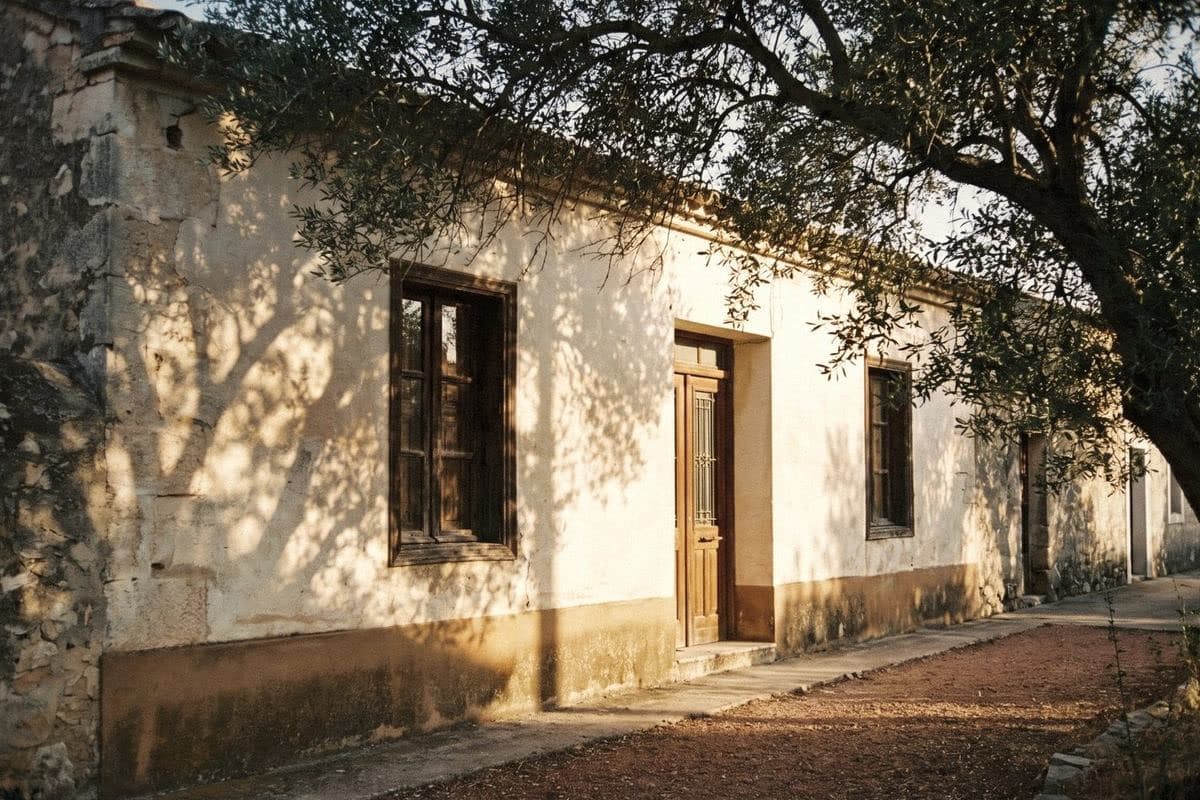
Cream and brown: the classic pairing that never dates
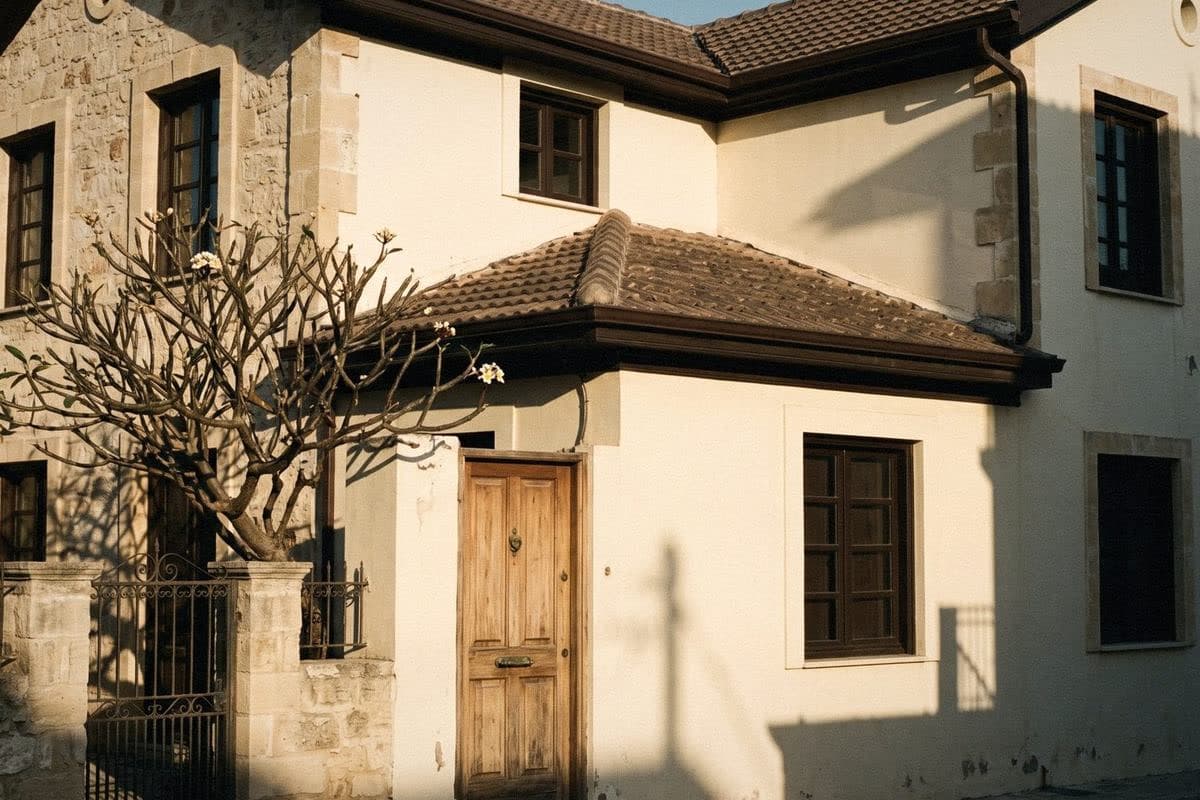
Cream walls with dark brown trim are the safest pairing in this group. They suit a house that already has wooden frames, a wooden door or a brown tile roof. The cream makes the house bright, and the brown brings out details like window frames and mouldings.
Choose a cream that isn't too yellow, because cream over a whole house always looks darker and brighter than the small chip in your hand. If you're torn between two, choose the lighter, more muted one.
- 1. Walls Ivory, trim Chocolate, natural teak door
- 2. Walls Oatmeal, band Caramel, trim Red Wine, door Red Wine
- 3. Walls Popcorn, trim Caramel, door Coffee Bean
Beige and coffee: a modern two-tone brown
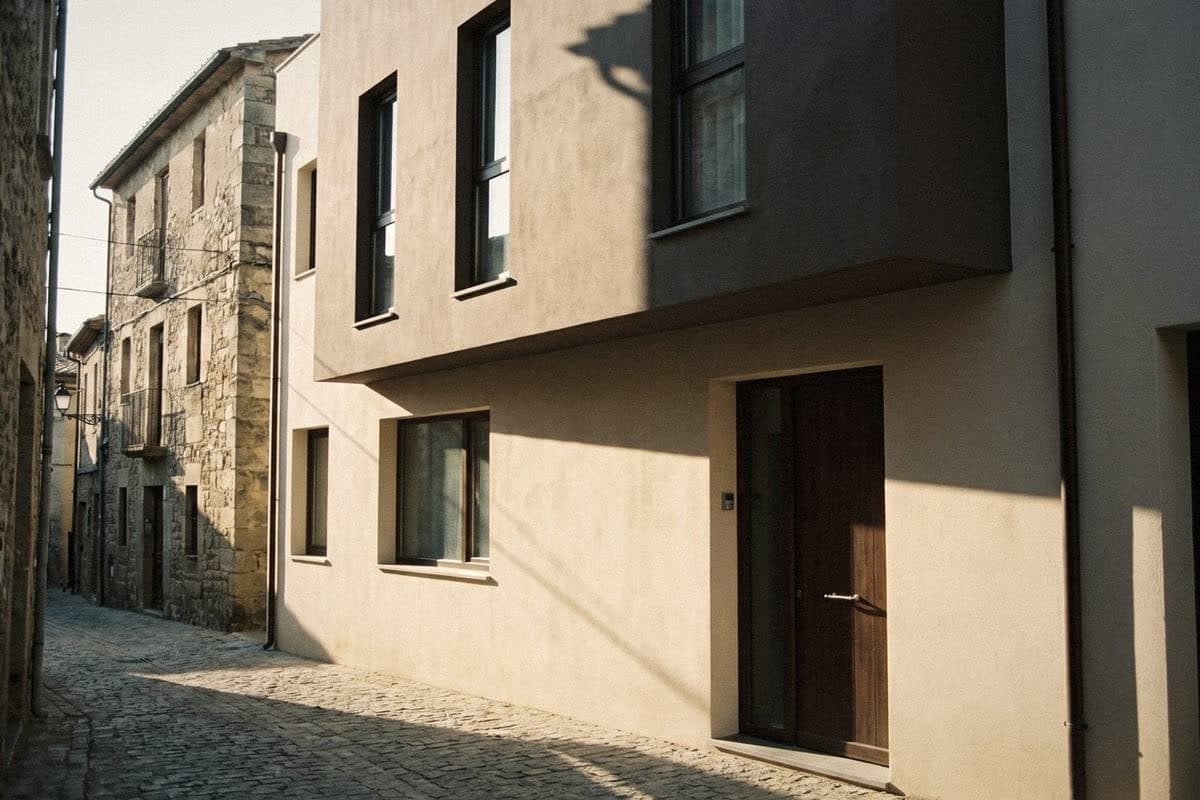
If you want a brown-toned house that looks contemporary, move from cream to a slightly more muted beige, then pair it with a dark coffee brown on a box or projecting wall. The lines of a modern house stand out more, because the two colours are just far enough apart without jumping.
Box-shaped houses with black or dark brown window frames suit this pairing very well. Try making the projecting upper-floor wall coffee brown and the ground floor beige. The house looks solid, and the shadow under the overhang keeps the dark colour from looking hot.
- 4. Walls Coconut Sugar, upper box Coffee Bean, trim Coffee Bean, walnut wood door
- 5. Walls Sand Dust, band Caramel, trim Chocolate, door Coastal Pine
- 6. Walls Linen, projecting wall Chocolate, trim Ivory, door Chocolate
Sand and terracotta: a warm seaside and tropical house
Sand with terracotta is a pairing inspired by Mediterranean seaside houses, and it suits a tropical house with big-leaved plants very well. The green of the leaves stands out against an earth-toned wall, like the basil leaves on a plate of pad kra pao (holy basil stir-fry) that make the whole dish look appetising.
Use terracotta on small areas, such as doors, louvred shutters, arches or a band along the bottom, because an orange-red over a large wall soon gets tiring to look at. If you want a wall surface with the depth of an old seaside house, try a sand-toned mineral-textured feature wall at the front. Voqe Mineral Finish works on both interior and exterior walls, and gives a matt surface with the movement of old plaster.
- 7. Walls Sand Dust, door and shutters Thai Tea, trim Ivory
- 8. Walls Coconut Sugar, lower band Antique Brick, trim Popcorn, teak door
- 9. Feature wall Mineral Finish Chao Phraya Sand, walls Oatmeal, trim Thai Tea, door Antique Brick

Taupe and walnut: grey-brown for people who don't want an orange house
Taupe is a greyish brown that sits between beige and grey. It's a good choice if you want a warm-toned house but don't want it to look yellow or orange. Pair it with a dark walnut brown and the house looks understated, calm and expensive, like a grey-brown wool suit that doesn't need explaining.
This pairing goes with a dark grey roof, black window frames and grey natural stone. If the house has both grey elements and wood, taupe is the bridge that lets the two sides talk to each other.
- 10. Walls Soft Gray, trim Chocolate, walnut wood door
- 11. Walls Linen, band Soft Gray, trim Coffee Bean, door Coffee Bean
- 12. Walls Linen, feature wall clad in walnut-toned wood, trim Chocolate, door Caramel
Pairing brown with wood, brick, the roof and the style of the house
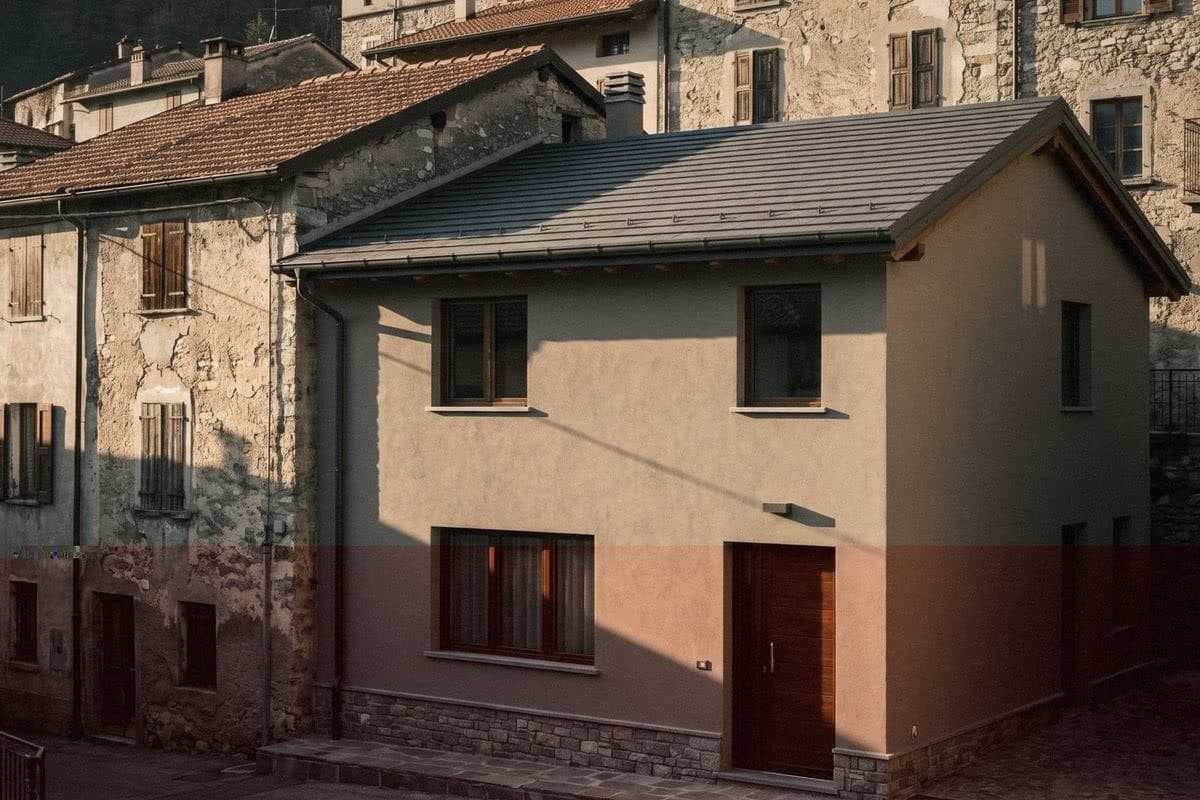
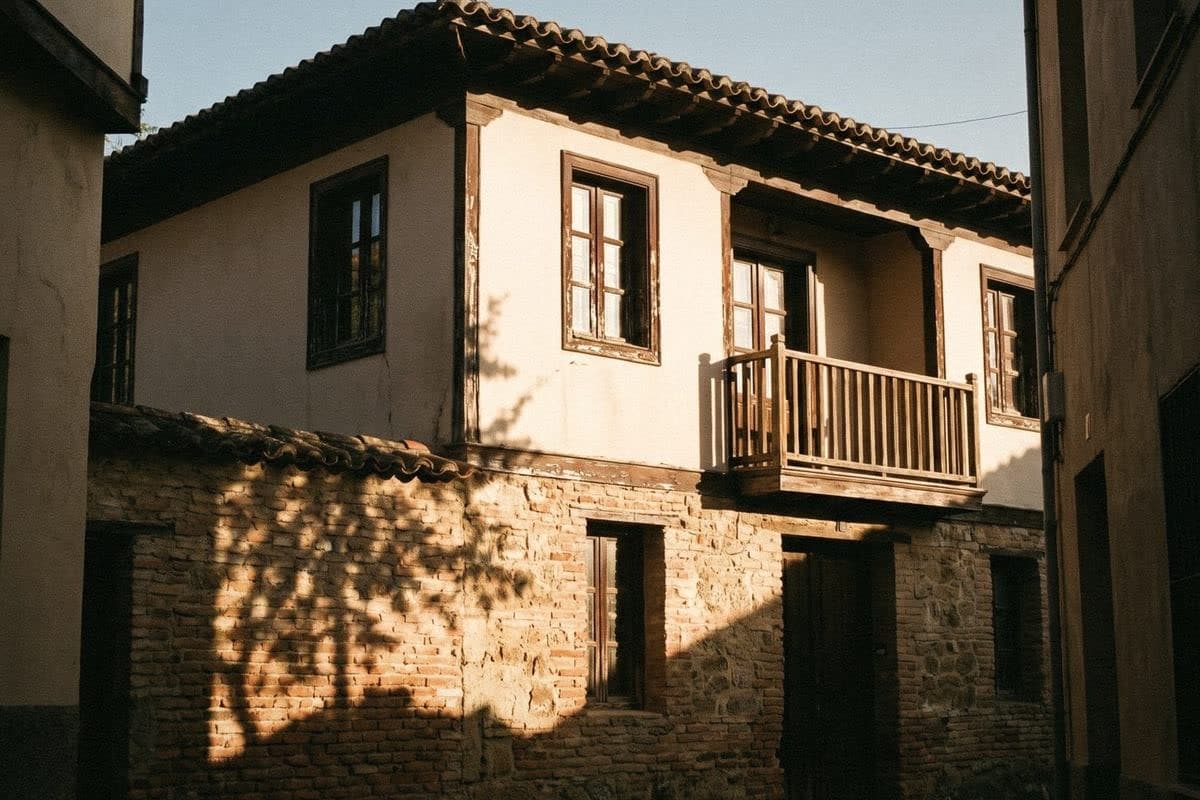
A brown-toned house nearly always has real materials too: wood, brick and roof tiles. The tricky part is keeping the brown of the paint from clashing with the brown of the materials. The simplest way is to choose a brown that is clearly darker or clearly lighter than the real material. Don't pick one so close that it looks like an attempt at a match that didn't quite work.
The style of the house matters too. Modern houses like beige and coffee in clean straight lines. Tropical houses like sand, terracotta and real wood left to age naturally. Classic houses like cream with dark brown on the mouldings, window trim and panelled doors.
- Teak or orange-toned wood: pair with cream, beige or sand; avoid an orange-brown too close to the wood colour
- Walnut or dark wood: pair with taupe, muted beige or a pale cream
- Orange-red exposed brick: sand or cream walls, dark brown trim
- Brown tile roof: cream or beige walls, dark trim close to the roof colour
- Dark grey or black roof: taupe or muted beige, coffee-brown trim
- By style: modern uses beige and coffee, tropical uses sand and terracotta, classic uses cream and chocolate
“A brown-toned house is like coffee with milk: get the proportions right and it tastes smooth.”
Frequently asked questions
Which colours go together for a two-tone brown exterior?
Popular pairings are cream with dark brown, beige with coffee, sand with terracotta, and taupe with walnut brown. Use the light colour for the main walls and the dark colour for the trim, bands or door.
Is a brown house hot?
Dark brown absorbs more heat than light colours. Paint the whole house in it and the house gets hot and looks heavy. Use dark brown on small areas, or on walls protected by eaves, and make the main walls cream, beige or sand.
What roof colour goes with a brown house?
Brown, terracotta and dark grey tile roofs all work. A brown roof suits cream or beige walls, and a dark grey roof suits taupe or muted beige.
Does a brown house get dirty easily?
Brown and earth-toned houses hide dust and mud better than white houses, but a very dark brown shows pale dust and fading more clearly. Mid tones are the easiest to look after.
What colour front door goes with a brown house?
Real wood, dark brown, chocolate or dark green doors all suit a brown-toned house. If you want the door to stand out, try terracotta on a sand-coloured house.

Colour on a screen never matches colour on a wall
Order a sample to paint at home, or come and see the full shade library at Voqe Studio, Bang Phli.
Take the quiz to find your home's toneRead next
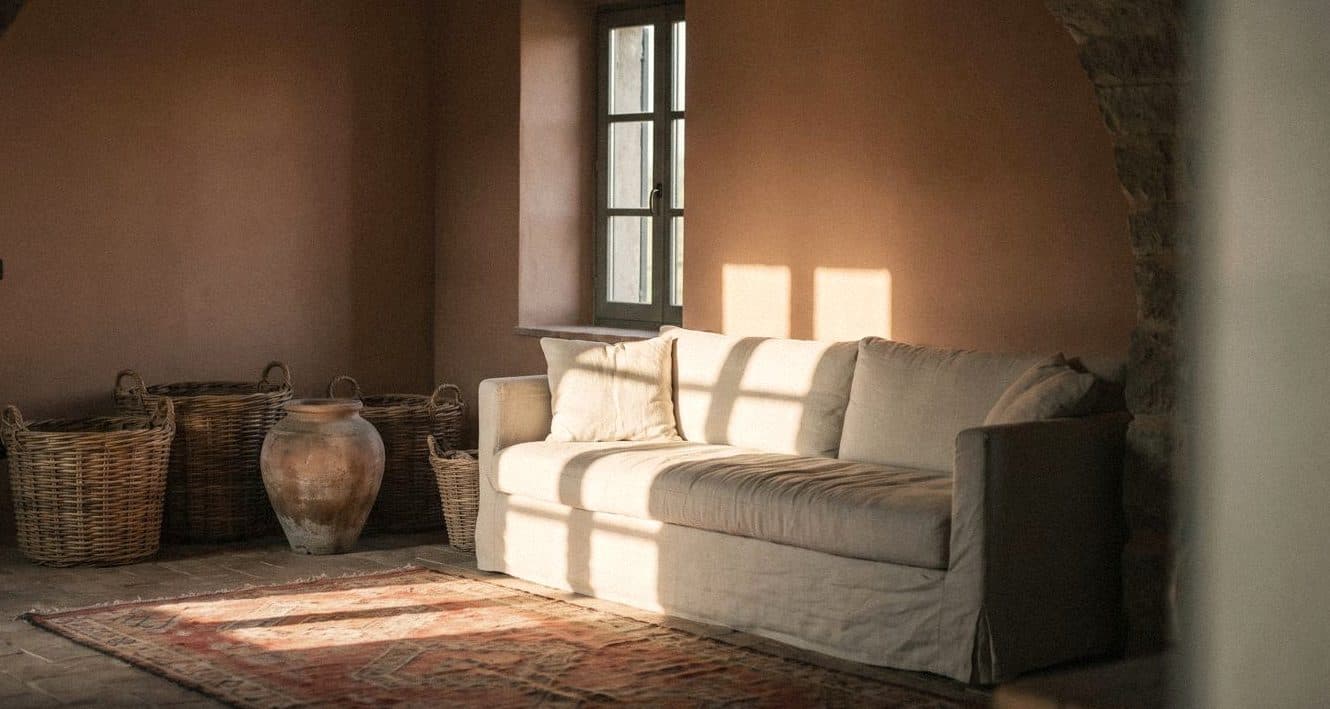
Earth tones: paint your home as warm as a night at a house in the countryside
Clay, sand, brick, coffee, olive: colours nature used long before we did. Voqe's earth-tone shades, and how to use them so your home feels warm without going dark.
Read article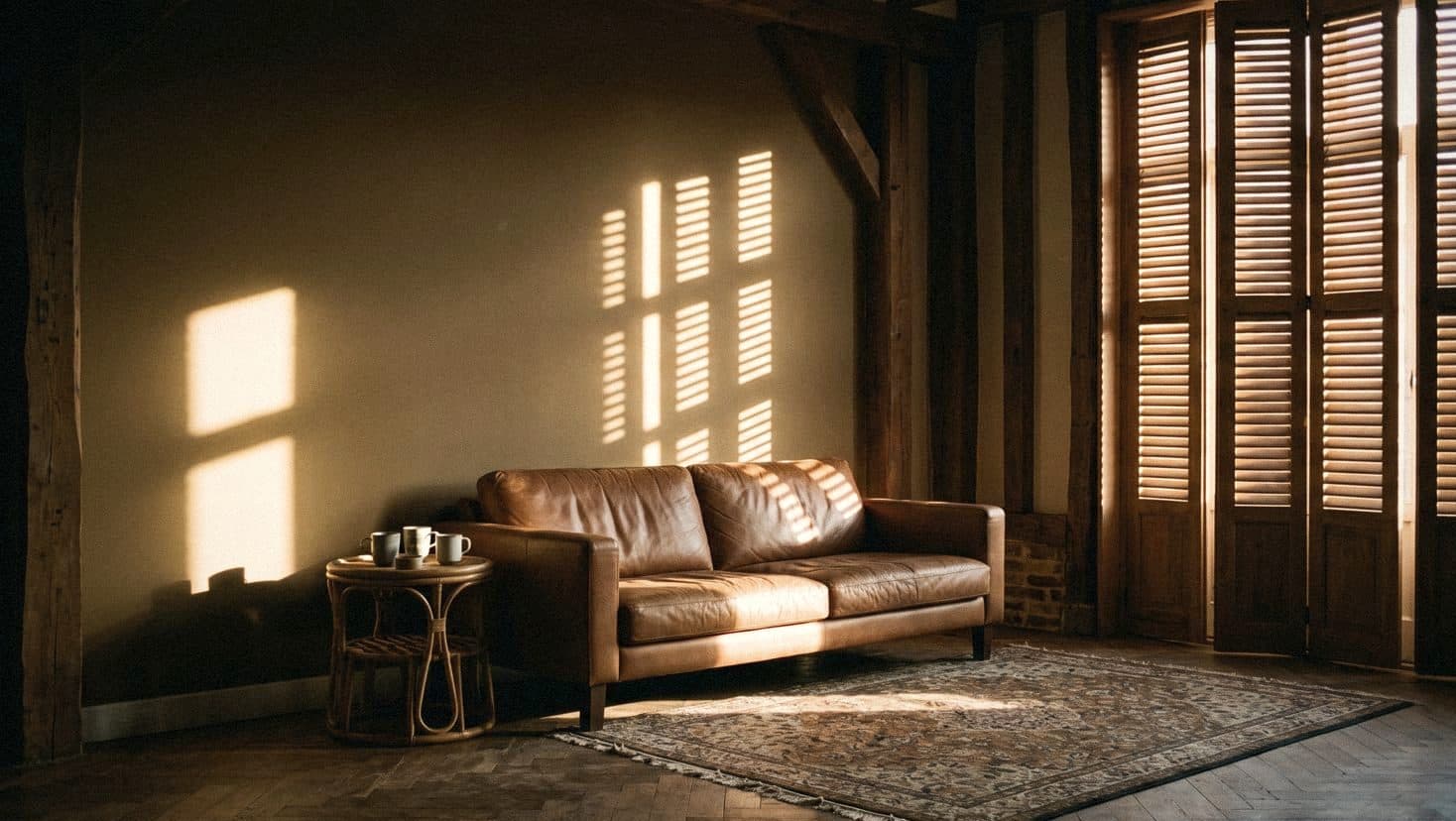
Khaki and brown house paint: warmth with taste
From safari-shirt khaki to dark-roast coffee brown, these colours make a home as warm as a hug on a rainy day, if you choose well.
Read article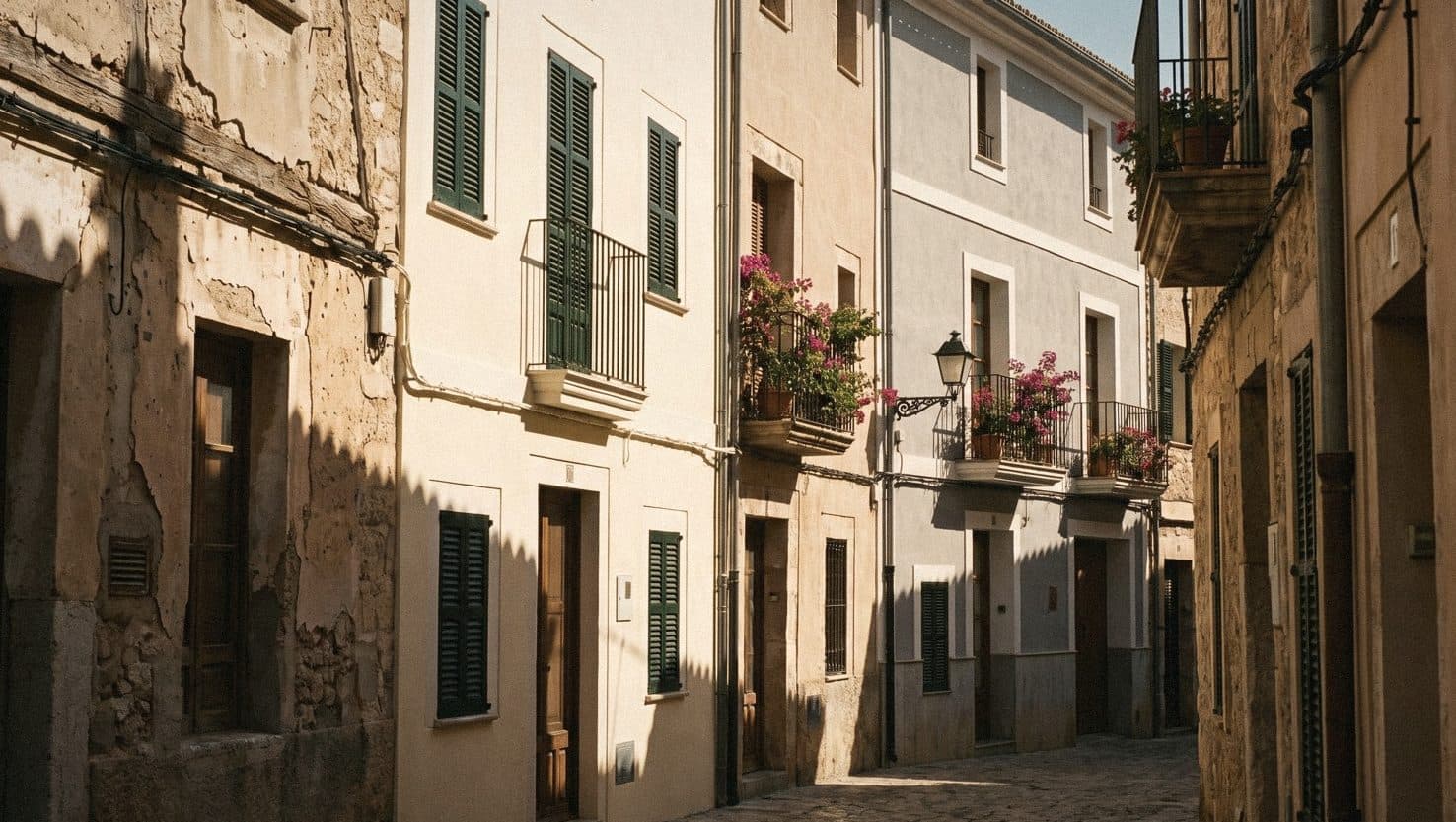
Exterior house paint: pairing colours that look good and stand up to Thai sun and rain
Your house is the biggest shirt you wear every day. Thai sun is strong and Thai rain is heavy, so choose a colour that looks good and one that lasts.
Read article