


Renovating an old house: where to start, and the order of works builders rarely tell you
A renovation doesn't start with the wall colour. It starts with the roof and the wiring. Get the order right and your money won't vanish into tearing things out twice.
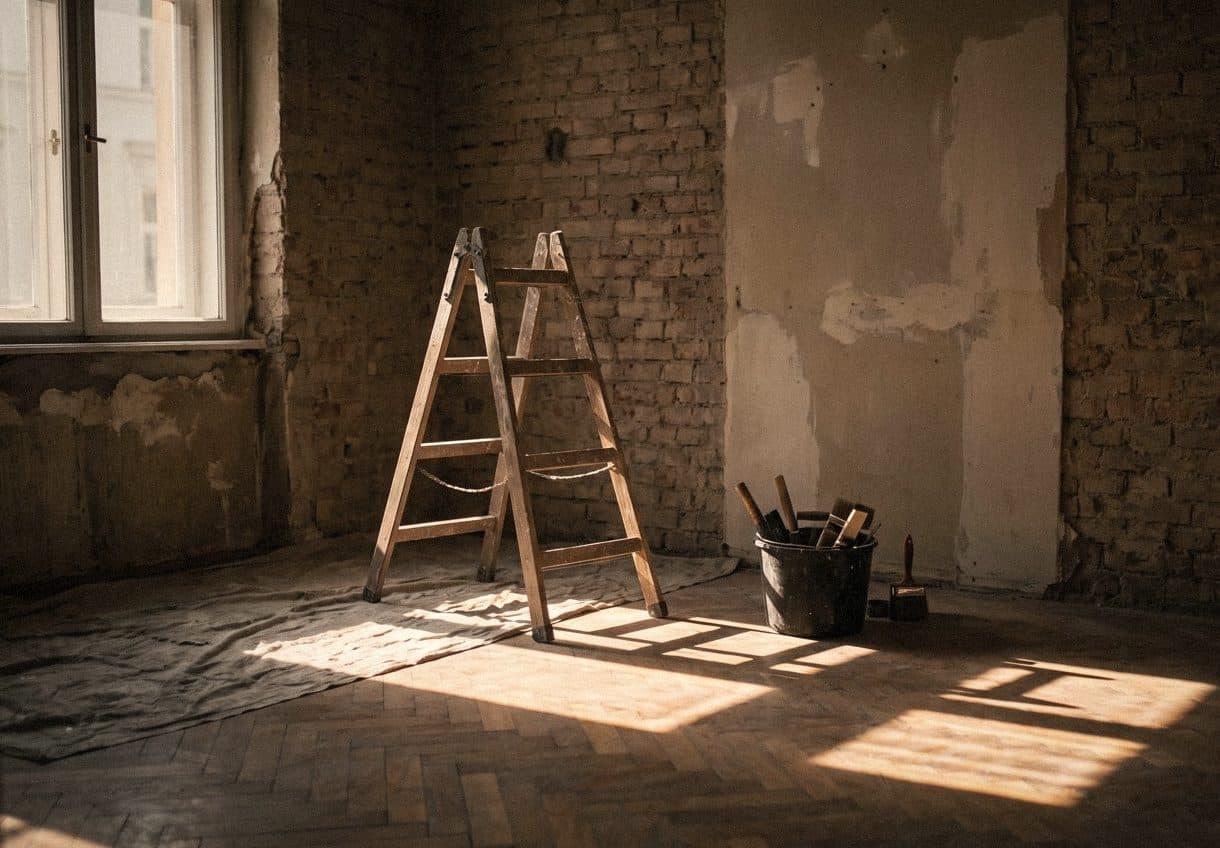
Start a home renovation by surveying the house and fixing the problems you can't see first: the structure, roof leaks, and the wiring and plumbing. Then do the walls, ceilings and floors, with painting as the very last job. This order stops new work that already looks good from being torn out again, and lets you set a budget that matches what the house really needs.
Start a renovation with a survey, not a catalogue
Most people start a renovation with photos on their phone: a cream living room, a light wood kitchen. Only later do they find the roof leaking in the corner of the bedroom, or wiring that dates from when their parents were young. Looks can wait their turn. Safety comes first.
Before you talk about style, walk the whole house like a detective. Look for cracks, water stains on the ceiling, damp bands along the bottom of walls, doors and windows that don't close properly, sockets that feel unusually warm, and taps with weak flow. Write everything down and take photos. This is your real list of work.
If the house has structural cracks, such as in columns or beams, or wide diagonal cracks running from the corners of doors and windows, have a civil engineer look before you decide anything else. Some cracks are only in the plaster skin. Others are a sign the house is settling. The two are very different, and not something to guess at.
- Roof and ceilings: water stains, leaks, broken tiles
- Structure: cracks in columns and beams, and diagonal cracks at the corners of openings
- Electrics: age of the wiring, breakers, earthing, too few sockets
- Plumbing: water pressure, leaking pipes, blocked drains, smells from the drains
- Damp: damp at the base of walls, mould, blistering paint
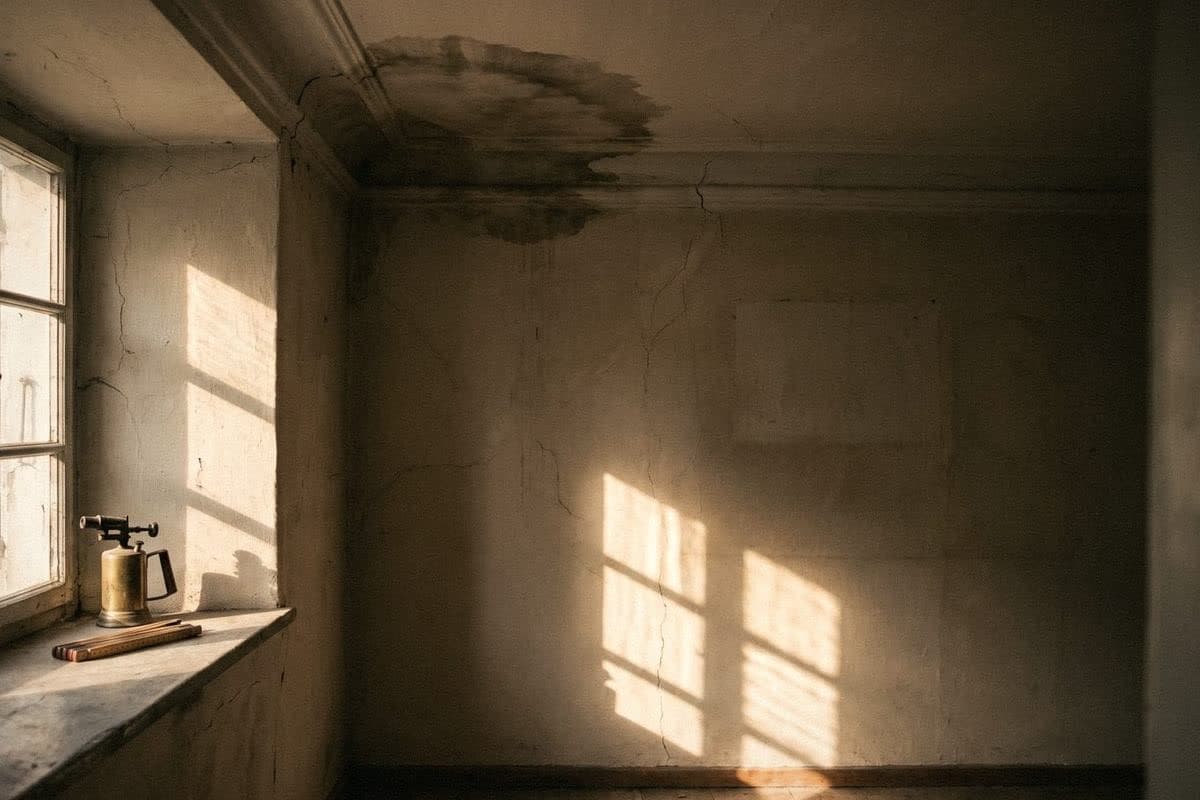
The order of renovation work: top to bottom, inside to outside
The simple rule professional builders follow is that dirty, heavy work comes first and beautiful, fragile work comes last. It's like cooking: you chop the vegetables and wash the board before you plate up. Nobody plates up and then starts chopping bones next to the dish.
The roof comes before the walls, because one leak can ruin the new ceiling and paint of a whole room. Wiring and plumbing come before plastering, because cables and pipes usually have to be buried in or run along the walls. Floors should go in after the dusty wall and ceiling work, and paint is the finishing job, done when nobody needs to drill, chisel or drag anything heavy past it any more.
- 1. Demolition and structural repairs
- 2. Roof, gutters and waterproofing
- 3. Electrics and plumbing: running pipes and cables
- 4. Doors, windows and frames
- 5. Plastering walls, repairing cracks, ceilings
- 6. Flooring and built-ins
- 7. Primer and paint
- 8. Fitting lights and sanitaryware, and a big clean

Renovating a single-storey house: what to watch for
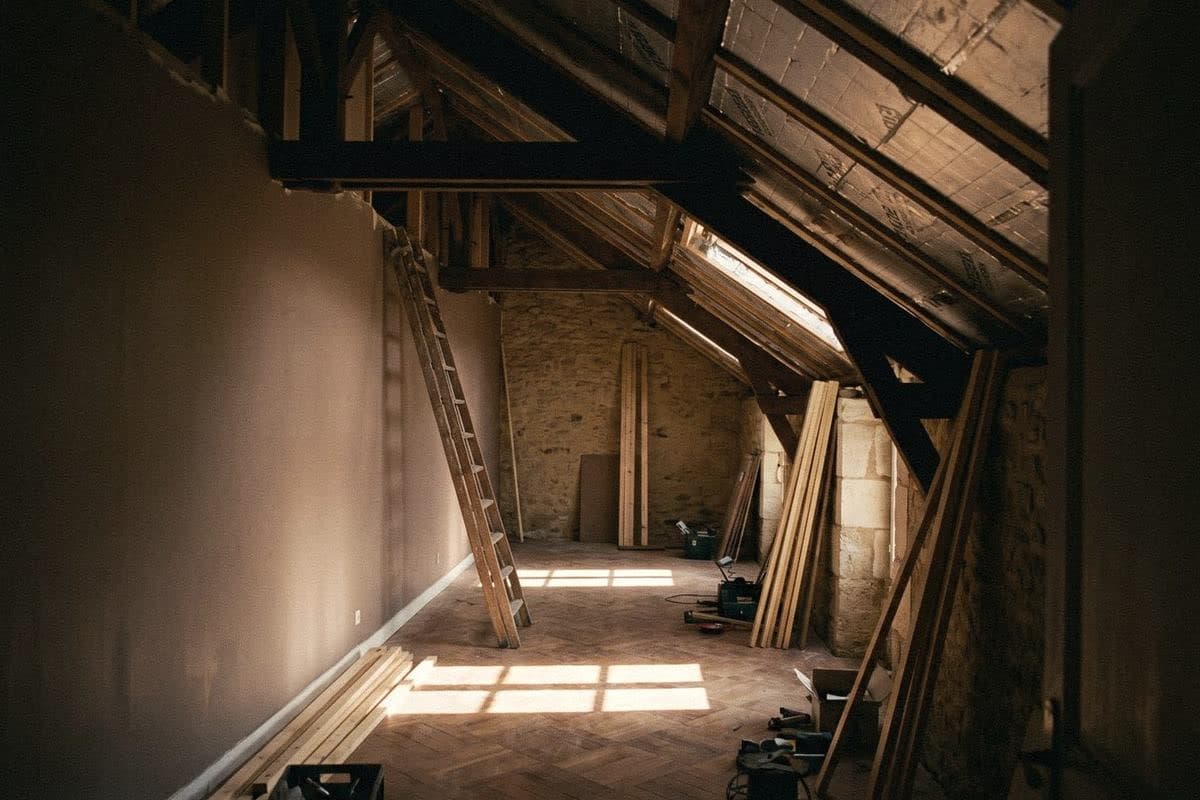
A single-storey house has the advantage of a simple structure, but it has its own weak points. The roof sits close to every room, so heat from the roof comes straight down onto the people living there. And the floor sits close to the ground, so damp from below rises up the walls easily.
Many older single-storey houses now sit lower than a road that was built up later, so rainwater runs towards the house. Before you spend on decoration, look at the drainage around the house, the floor level compared with the road, and the insulation under the roof. These three things make a house far more comfortable than a new sofa.
Something a single-storey house does well is raising the ceiling or opening a skylight in the roof. The room feels airier straight away. But this work touches the roof structure, so it should be overseen by a designer or engineer.
- Heat insulation under the roof, and ventilation in the roof space
- The floor level compared with the road and the drainage around the house
- Damp at the base of the walls, which often brings mould with it
- Eaves deep enough to keep out driving rain and afternoon sun
How to budget a renovation so it doesn't spiral
Renovation prices vary a lot with the size of the house, its condition, the materials and the location. There's no single figure that works for every house. A better approach is to split your budget into pots, then get itemised quotes from at least two or three contractors.
The first pot is essential work: structure, roof, electrics, plumbing. The second is surface work: walls, floors, paint. The third is the work you'd like, such as built-ins or beautiful lights. Then keep a reserve for whatever you find during demolition, because an old house almost always has a surprise hiding behind the walls.
If the budget runs short, cut from the third pot first, never the first. Built-ins can wait. Old wiring can't.
- Essential work: structure, roof, electrics, plumbing
- Surface work: walls, ceilings, floors, paint
- Nice-to-haves: built-ins, decoration, lighting
- Reserve: for whatever you find during demolition
Permits, and living in a condo or housing estate
Work that touches the structure, adds floor area, changes the roof shape or changes how a building is used generally falls under building control law, and you may need to apply for a permit at your district office or municipality. Surface work such as painting, new flooring or ceiling repairs usually doesn't need one, but the details vary from area to area. The best thing is to ask your local authority before you start.
If you live in a condo or a housing estate, the juristic person (the building or estate management) usually has its own rules: working hours, advance notice, moving materials in, and things you can't change, such as load-bearing walls or the outside of the building. Talk to the management before you sign with a contractor and you'll save a lot of time.

When to hire a professional, and when to do it yourself
Structural work, electrics and roofing should be left to specialists, both for safety and because fixing them later costs far more. The work homeowners can really do themselves is surface work: painting a room, changing handles, putting up shelves and arranging things. It's also the work that makes a house feel most like your own.
The final coat of paint is the quickest way to make an old house look new. Prepare the walls well: scrape off flaking paint, repair surface cracks, use the right primer for an old or new wall, then apply the paint itself. If you want to paint it yourself but aren't sure about colour, Voqe offers a free colour consultation from photos of your actual room, so you can decide before you open a tin.
- Hire a professional: structure, roof, electrics, main plumbing, waterproofing
- Do it yourself: painting a room, repairing surface cracks, putting up shelves, changing small fittings
- Do it yourself if you have time: scraping old paint, priming, painting a fence
“An old house is like an old friend. The face can change, but look after what's inside first.”
Frequently asked questions
Where should a home renovation start?
Start by surveying the whole house, then fix the essential work first: the structure, roof leaks, electrics and plumbing. After that, do the walls, ceilings and floors, with painting as the last job.
Do I need a permit to renovate my house?
If the work touches the structure, adds space or changes the shape of the building, you may generally need a permit from your district office or municipality. Surface work such as painting usually doesn't need one, but always check with your local authority before you start.
What should I watch for when renovating a single-storey house?
Look at heat from the roof, insulation under the roof, damp at the base of the walls, and the floor level compared with the road, because older single-storey houses often suffer from standing water and damp from the ground.
Should I paint first or lay the floor first?
Generally, do the dusty work first and finish with the final coat of paint. Many builders apply the primer or first coat before the floor goes down, then do the final coat after the flooring is finished, to cover any knocks made during the work.
How much does a home renovation cost?
It varies a lot with size, the condition of the house and materials. A good approach is to split the budget into essential work, surface work and nice-to-haves, keep a reserve, and get itemised quotes from several contractors.

Colour on a screen never matches colour on a wall
Order a sample to paint at home, or come and see the full shade library at Voqe Studio, Bang Phli.
Get free house colour adviceRead next
How to paint your house yourself: finish a room in a day, with a paint calculator
You can paint a room yourself in a day, if you know how much paint you need, which primer to use and how long to wait before the second coat.
Read article
Primer for old plaster vs primer for new plaster: how they differ and which to choose
Primer is your wall's make-up base. You can skip it, but the paint on top won't last. Find out whether your walls are old or new concrete, then choose the right one.
Read article
House paint prices: what does painting one room cost? Worked out line by line
No need to guess what one room will cost to paint. We work through every line for you, from square metres and litres down to the price of a roller.
Read article