


How to care for Mineral Finish walls: which sealer, how to clean, how to repair marks
A Mineral Finish wall is beautiful because it's made by hand, and it needs the right care. Here's which sealer to use, how to clean it, and how to repair marks so they blend in.
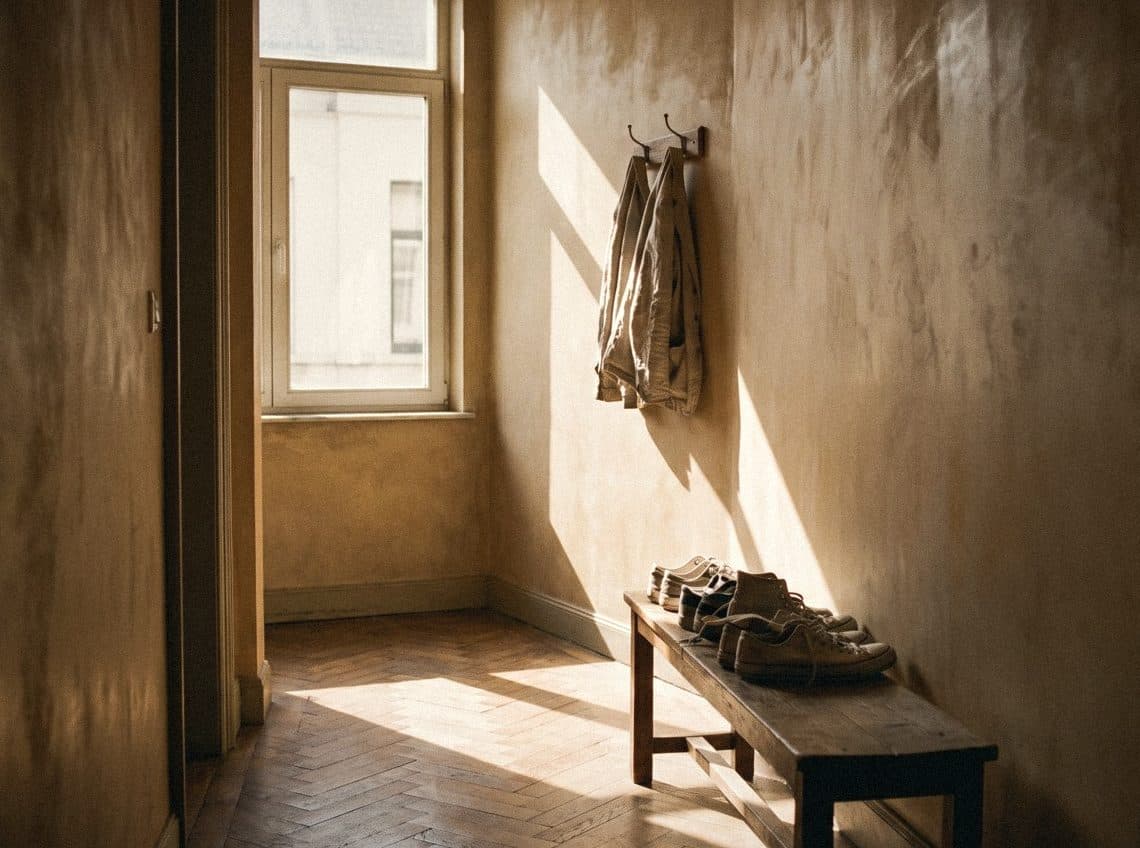
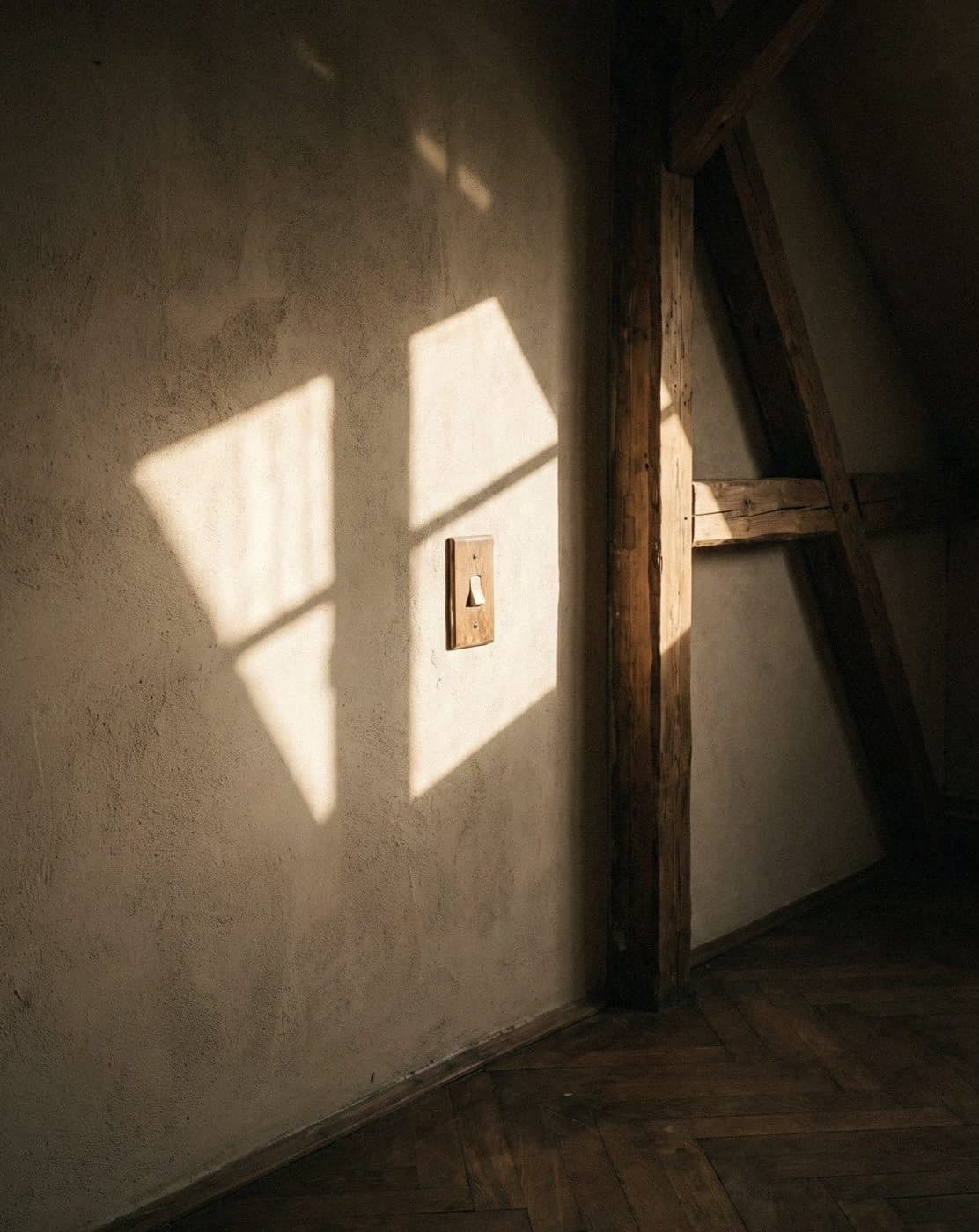
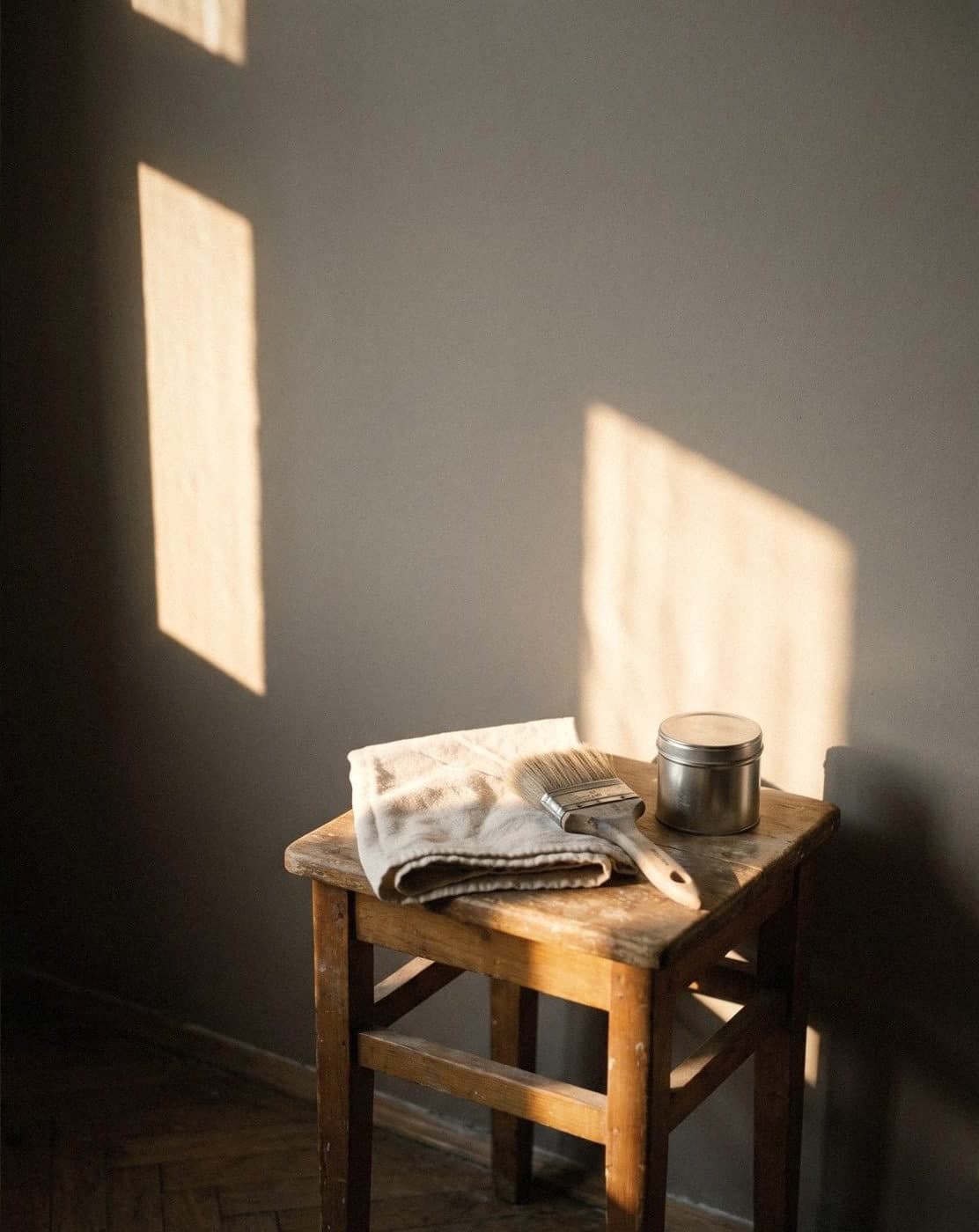
Caring for a Voqe Mineral Finish wall starts with choosing the right sealer. Mineral Sealer is a clear satin finish for both interiors and exteriors, suited to spots that get splashed. Mineral Wax is a clear semi-gloss for interiors only, which helps reduce dirt and makes the wall easier to wipe. If the wall gets marked, you can repair it by painting both shades from your original set in alternating directions so the patch blends with the surrounding surface, then sealing that spot again.
Does a Mineral Finish wall need sealing? Sealer or Wax
Voqe Mineral Finish is a matt, limewash-style mineral paint that breathes and resists mould. On walls that are rarely touched or splashed, you can leave the matt finish just as it is. But if the wall is somewhere that sees daily use, a sealer makes it much easier to live with.
Think of it like clothing. Sealer is like a waterproofing spray you can wear anywhere. Wax is like polish on leather shoes: shinier and easier to wipe, but for indoors only.
- Mineral Sealer: clear satin finish, interior and exterior, doesn't turn white when wet. Suited to splash zones and exterior walls.
- Mineral Wax: clear semi-gloss finish, interior only, can be buffed to a higher sheen, reduces dirt and wipes clean easily. Suited to walls that get touched often.
- Prices: Sealer ฿1,400 (0.946L) and ฿3,900 (3.785L); Wax ฿1,195 (0.946L) and ฿3,495 (3.785L).
How to apply Mineral Sealer and Mineral Wax
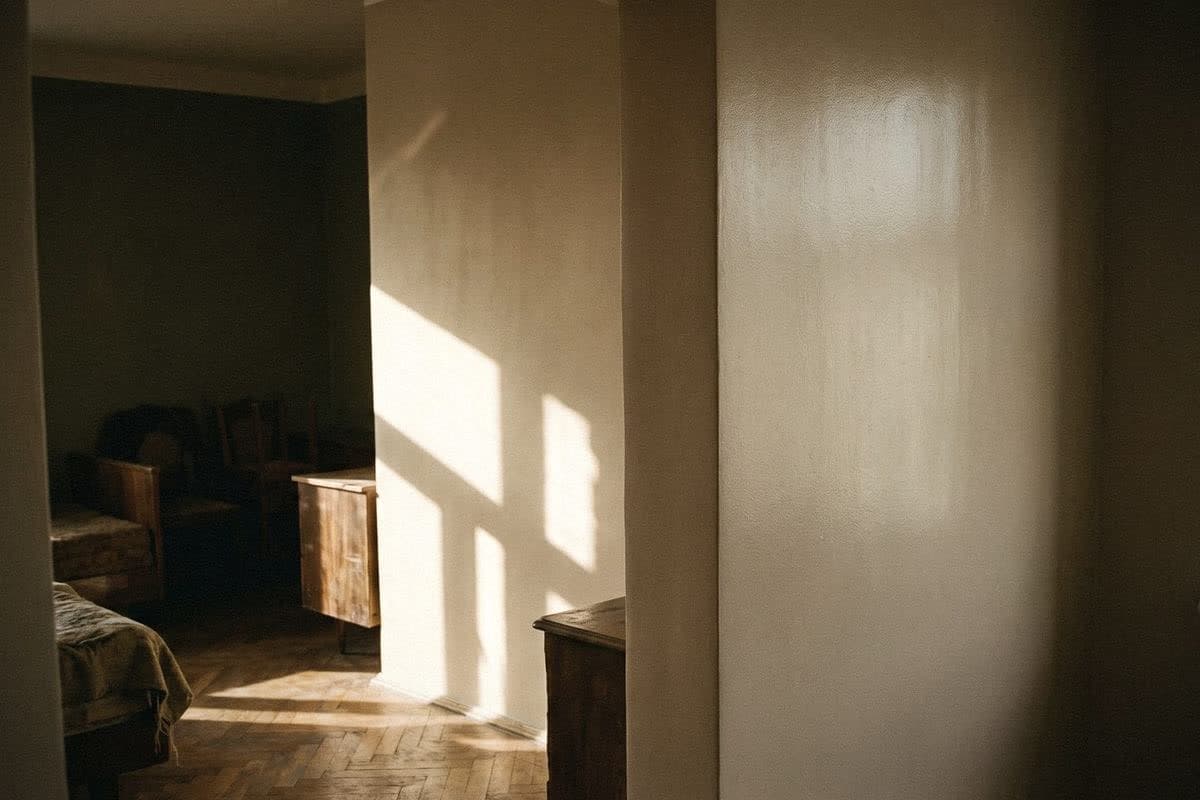
Voqe Mineral Sealer is a water-based acrylic, ready to use with no water added. Apply it with a roller, brush or sponge. It goes on milky white, which is nothing to worry about: it dries clear. It covers 145-155 sq m per gallon per coat, is touch dry in 15-30 minutes, can take the next coat after 1 hour, and is fully dry in 8 hours.
Voqe Mineral Wax is a water-based acrylic with polyethylene wax that leaves a smooth, soft film. Once it's on, you can buff it to as much sheen as you like. As well as Mineral Finish walls, it can be used on walls painted with acrylic paint and on plastered walls.
Whichever you use, let the Mineral Finish wall dry properly before sealing, and finish one wall at a time so the sheen is even across the whole wall.
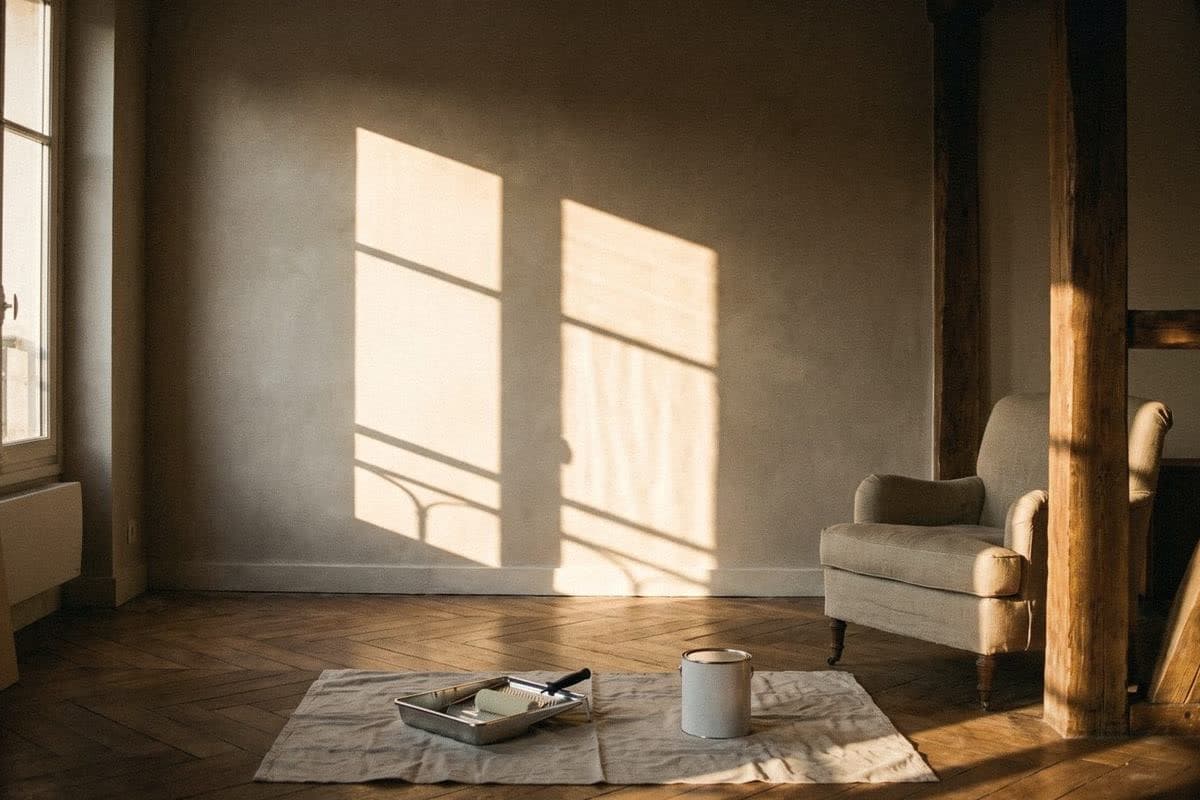
Cleaning a Mineral Finish wall
A wall sealed with Mineral Wax holds on to less dirt and wipes clean more easily. For everyday marks, use a soft cloth dampened with water and wrung out, wipe gently along the wall, then let it dry. For dust, use a feather duster or a dry cloth before you wipe.
An unsealed wall is a matt mineral surface, so dust it only and avoid scrubbing. If a spot keeps getting dirty, that's a sign that wall needs a sealer.
- Always dust before wiping
- Use a soft cloth, dampened and wrung out, and wipe gently
- Avoid stiff brushes and harsh, corrosive cleaners
- Always test-wipe in a hidden spot first
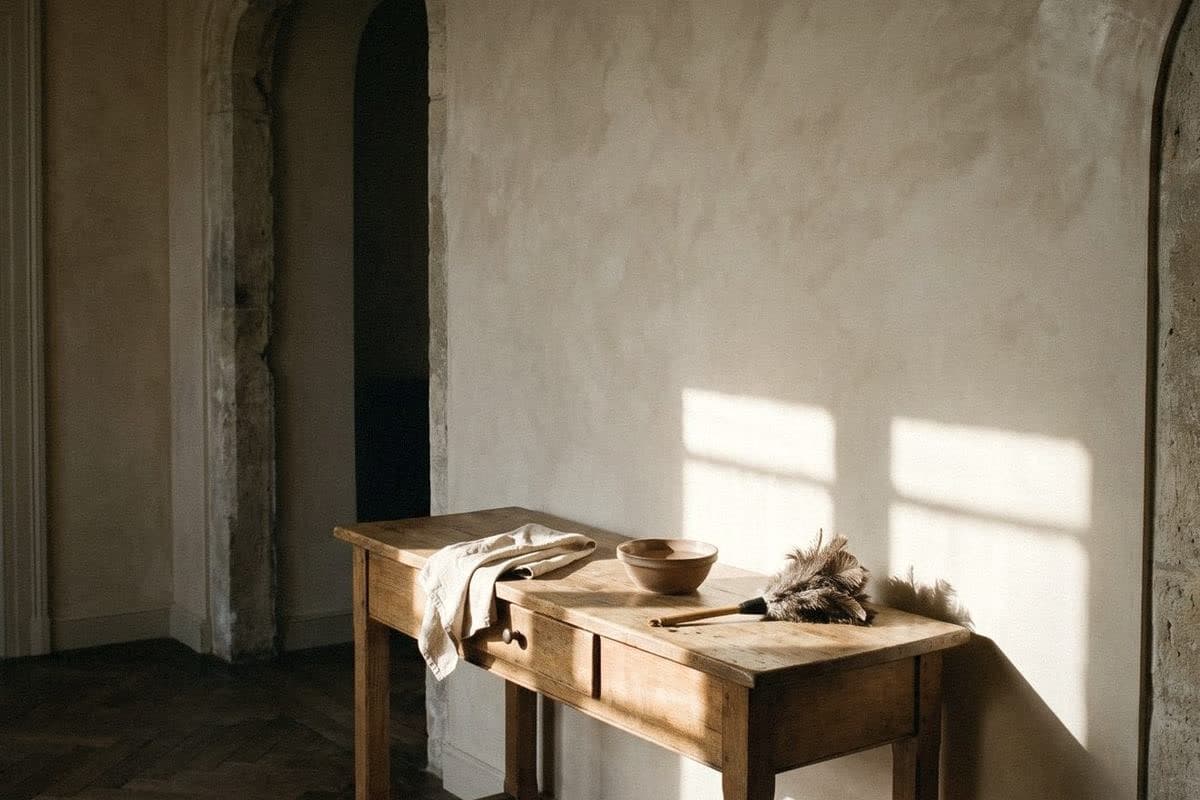
A marked wall: how to repair it so it blends in
The upside of a handmade wall is that you can repair it by hand. Because Mineral Finish was never perfectly uniform to begin with, a repair blends in more easily than it would on a flat, single-shade paint. Keep the leftover paint from your original set, both the Light Shade and the Shadow Shade.
Brush thinly over the mark, alternating the two shades in criss-cross strokes just as you did the first time. Feather the edges out into the surrounding surface, and finish with a light pass so the brush marks are even. Let it dry, then apply the same Sealer or Wax over that spot only.
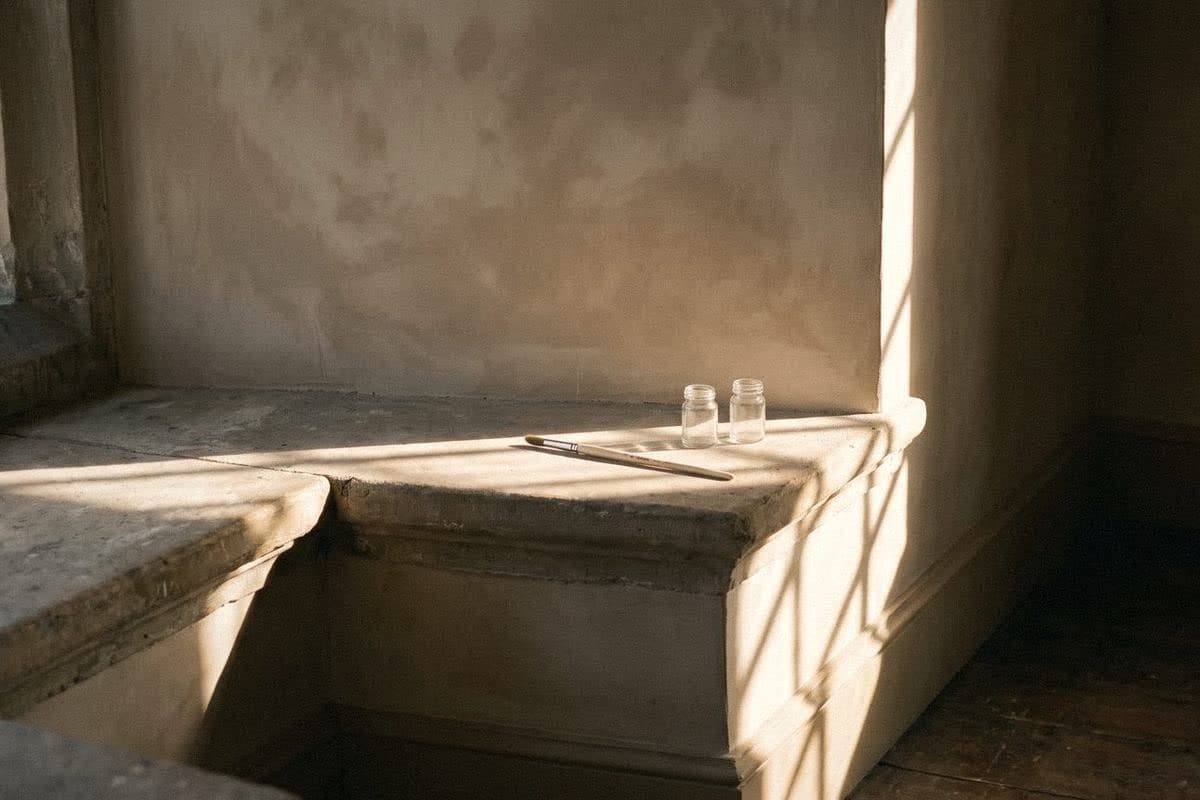
What to avoid, and caring for exterior walls
Mineral Finish can be used on exterior walls, but the exterior sealer must be Mineral Sealer only, because Mineral Wax is for interiors. If an exterior wall starts to show algae or mould, wash it with a fungicidal cleaner, rinse it off and let it dry before repairing or resealing.
There's no data yet to support using Mineral Finish in wet zones such as a shower, or in areas with heavy foot traffic. If you're planning a spot like that, send photos to LINE @dynohomes or call 084-351-2707 and let the team advise you first.
- Don't use Mineral Wax on exterior walls
- Don't scrub an unsealed wall with a stiff brush
- Don't repair with a single shade: always use both shades from your original set
“A handmade wall gets a handmade repair, so the repair has nothing to hide.”
Frequently asked questions
Does Mineral Finish need a sealer?
It isn't required on walls with light use. But spots that get touched often should be sealed with Mineral Wax, and splash zones or exterior walls should be sealed with Mineral Sealer.
What's the difference between Mineral Sealer and Mineral Wax?
Sealer is a clear satin finish for both interiors and exteriors, and doesn't turn white when wet. Wax is a clear semi-gloss for interiors only; it can be buffed to a higher sheen, helps reduce dirt and makes the wall easier to wipe.
Mineral Sealer looks milky white after I apply it. Is something wrong?
No. Mineral Sealer goes on milky white and dries to a clear film. It's touch dry in 15-30 minutes and fully dry in 8 hours.
Can a marked Mineral Finish wall be repaired?
Yes. Use the Light Shade and Shadow Shade from your original set, applied over the spot in alternating, criss-cross directions. Feather the edges so they blend, let it dry, then apply the same sealer over that spot only.
Can Mineral Wax be used outdoors?
No. Mineral Wax is for interiors only. For exterior walls, use Mineral Sealer.

Colour on a screen never matches colour on a wall
Order a sample to paint at home, or come and see the full shade library at Voqe Studio, Bang Phli.
See Mineral Sealer and WaxRead next

What is Mineral Finish? A lime wash-style mineral paint that gives walls texture
The depth of a European plastered wall, applied yourself with a brush. Everything you need to know about Mineral Finish, on one page.
Read article
How to create a loft wall with Mineral Finish yourself, step by step
A loft-style concrete wall is a weekend job you can do yourself. All it takes is good preparation, patience and the nerve to let your hand go.
Read article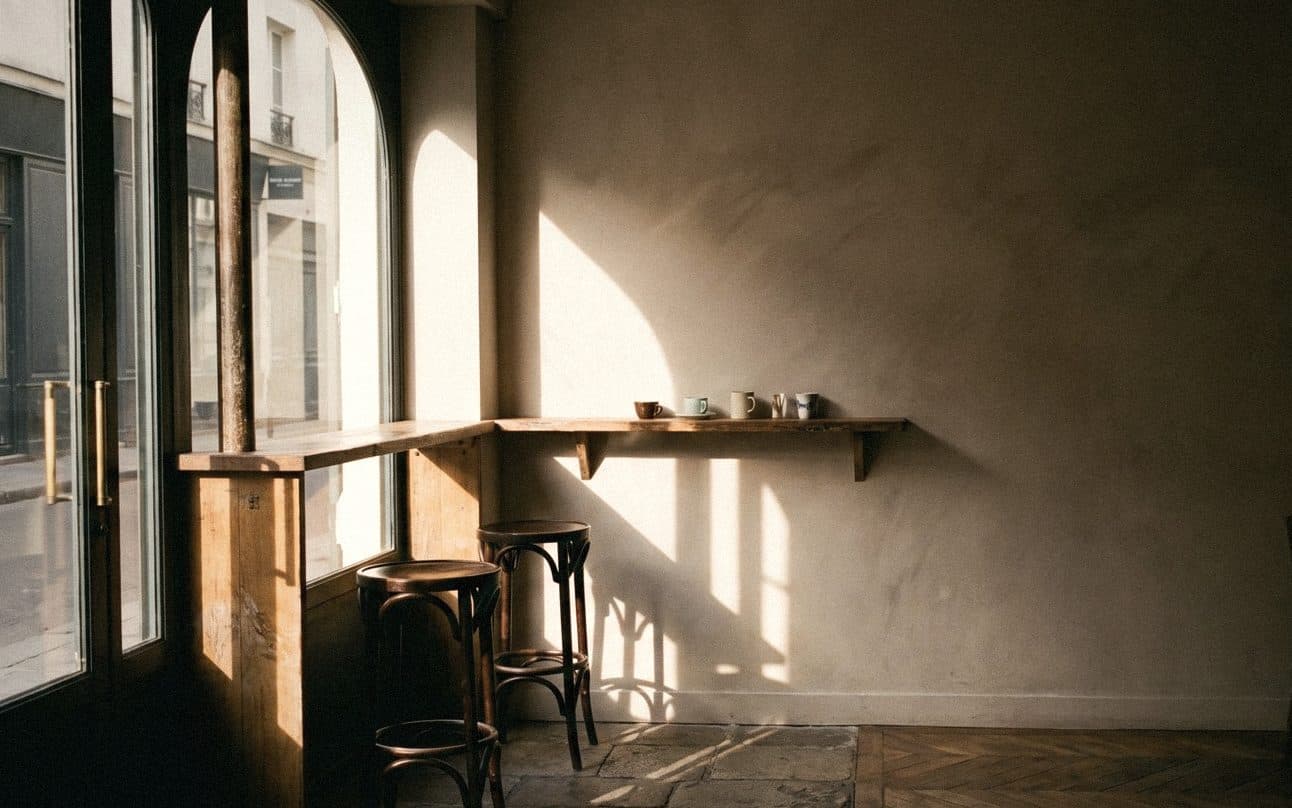
Minimal cafés: which walls look good both in photos and when customers are actually sitting there
A minimal café has very little in it, so the walls work harder than anything else. Here's how to choose walls that look good in photos and still look good after a year of customers leaning on them.
Read article