


A grown-up purple bedroom, from lilac to aubergine
Purple doesn't have to be sweet like a child's room. Choose the right muted purple, pair it with neutrals and natural materials, and a bedroom instantly feels soft, deep and grown-up.
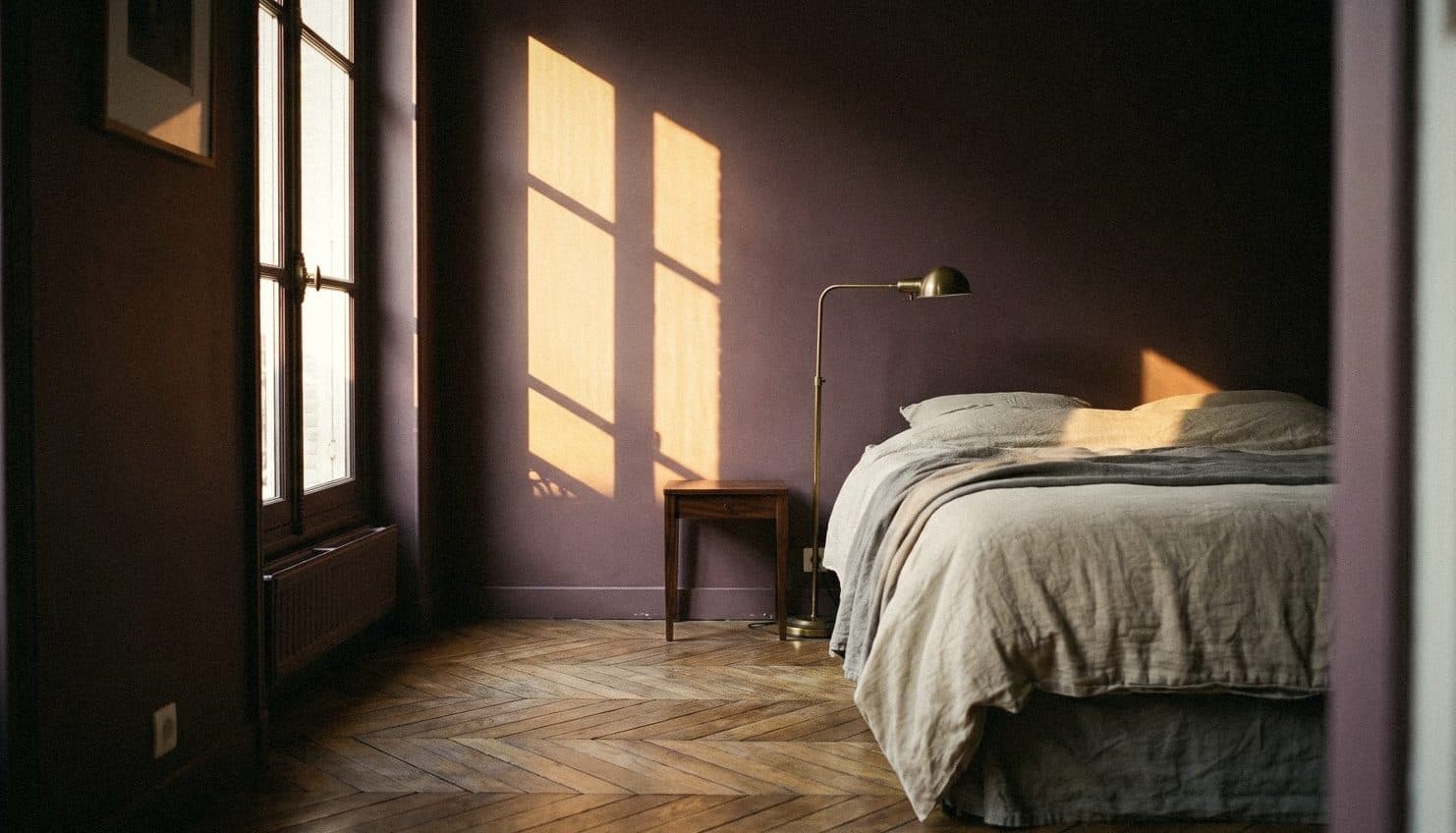
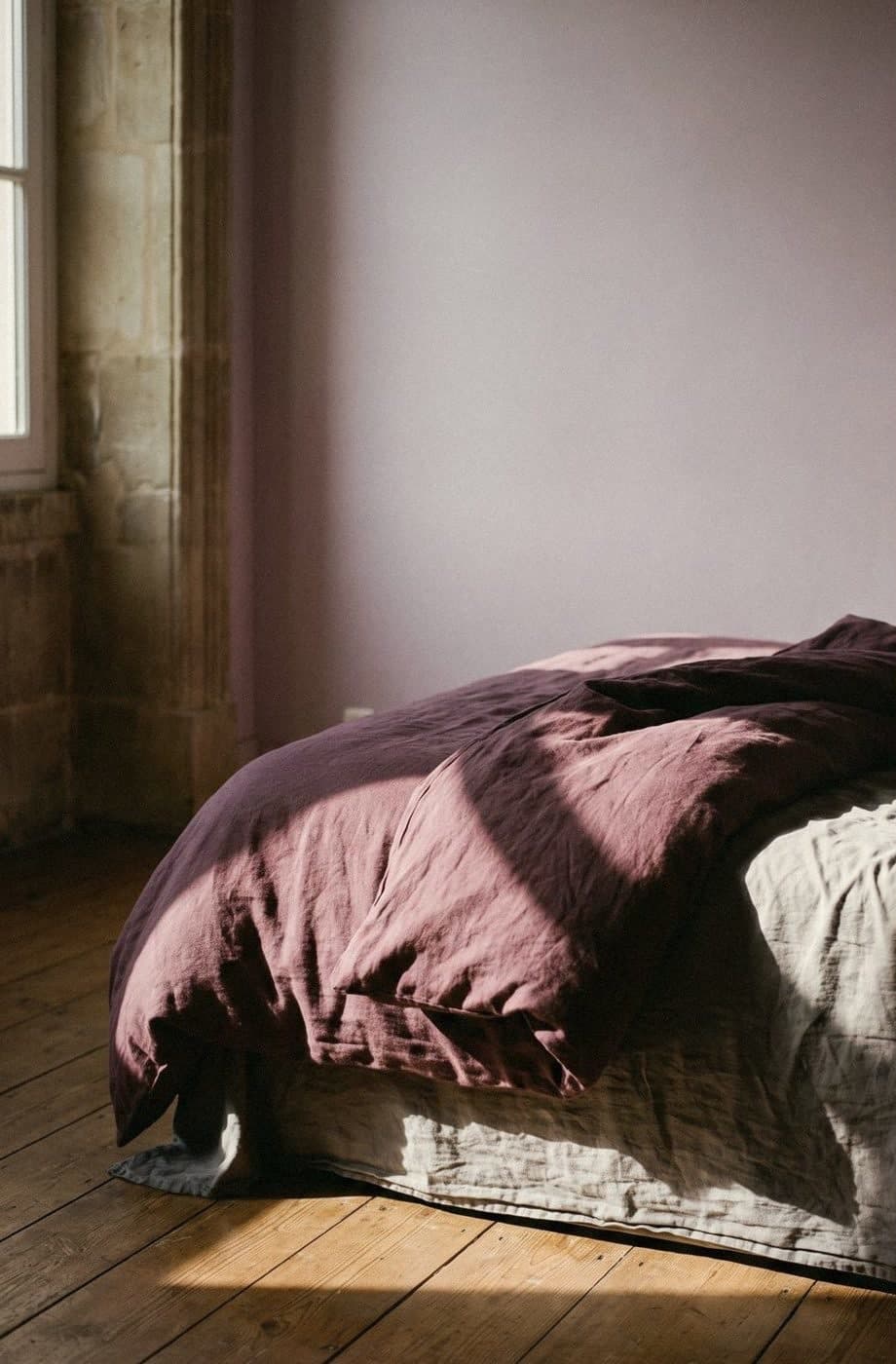
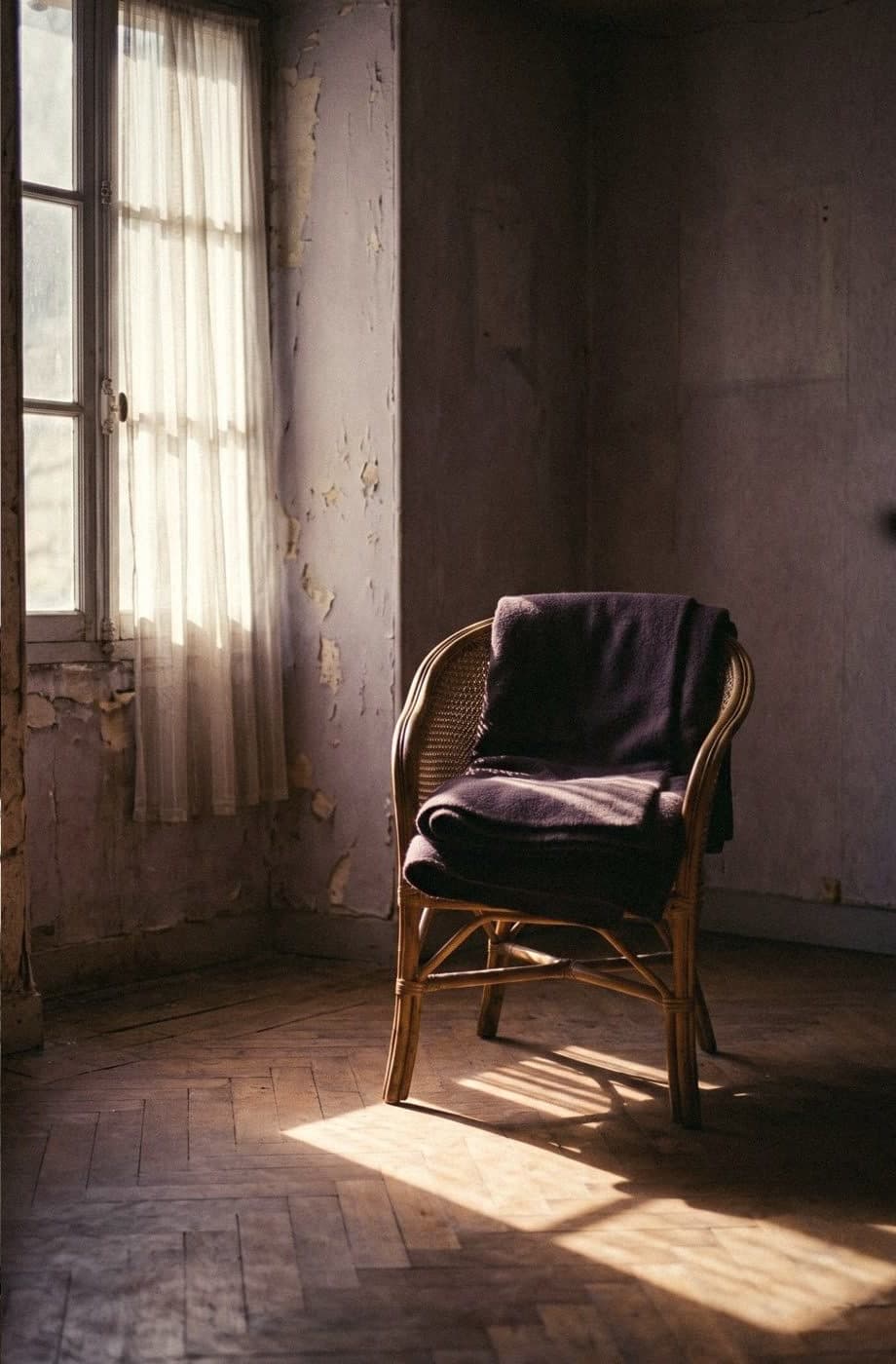
A purple bedroom that looks grown-up and is comfortable to sleep in usually uses a muted purple mixed with grey or brown, such as a greyish lilac, mauve or deep plum, rather than a bright purple. Pair it with neutrals such as soft white, beige or grey, and with natural materials. Light purples suit a room you want to feel softly bright; dark purples suit a headboard wall when you want the room to feel deep and quiet.
The purple bedroom: why so many people hesitate
Purple comes from mixing red and blue, so it stands between warm and cool. A purple leaning red is warm and looks sweet; a purple leaning blue is cool and looks calm. That flexibility makes purple hard to use, but very beautiful when you get it right.
The image most people have of a purple bedroom is bright, sweet-wrapper purple, which suits a child's room better. A grown-up bedroom needs a purple with its brightness knocked back, mixed with grey, brown or white, just as a muted purple shirt looks many times more expensive than a fluorescent one.

Five purples for the bedroom
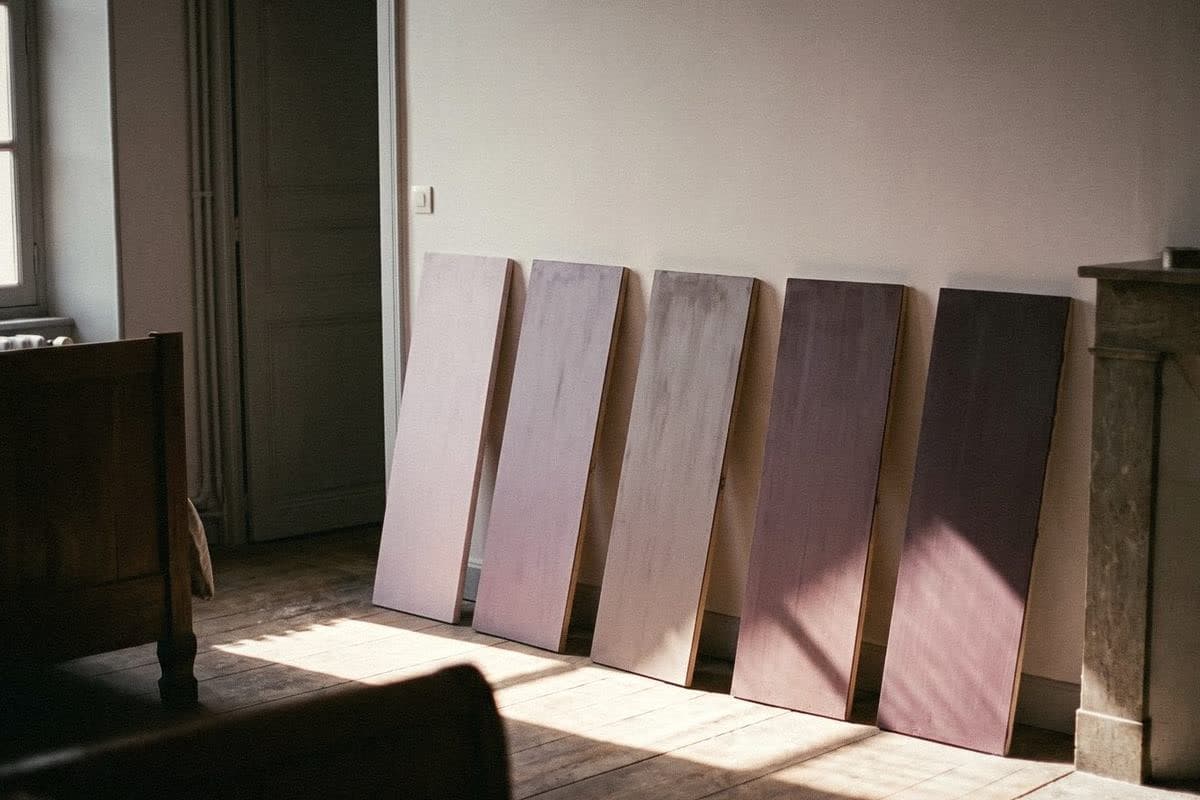
Purple has many faces. Choose by the feeling you want in the room, then compare real paint samples.
- Lilac: a light purple with a touch of pink; fresh, and suits a room that gets morning light
- Lavender: a light purple leaning blue or grey; soft and cool on the eye, good in a hot room
- Mauve: a muted pinkish-grey purple; the most grown-up of the light purples, vintage and warm
- Plum: a deep, red-leaning purple; warm and luxurious, and suits a headboard wall
- Aubergine: a deep purple that is almost black; deep and quiet, for people who like a dark, nest-like room
What colours go with purple?
Purple needs calm companions. Let neutrals be the background for most of the room, and let purple be the star. For any other accent colours, choose ones about as muted as the purple you're using.
- Soft white and cream: keep light purples looking clean, never sickly sweet
- Warm grey and beige: the partners that make mauve and lavender look grown-up
- Olive or sage green: a soft complementary pair with the mood of a flower garden
- Mustard yellow or brass: add warmth to plum and dark purples
- Dusty pink: graded on from light purple, for a room that's sweet in a grown-up way
- Dark wood and linen: make purple feel more natural
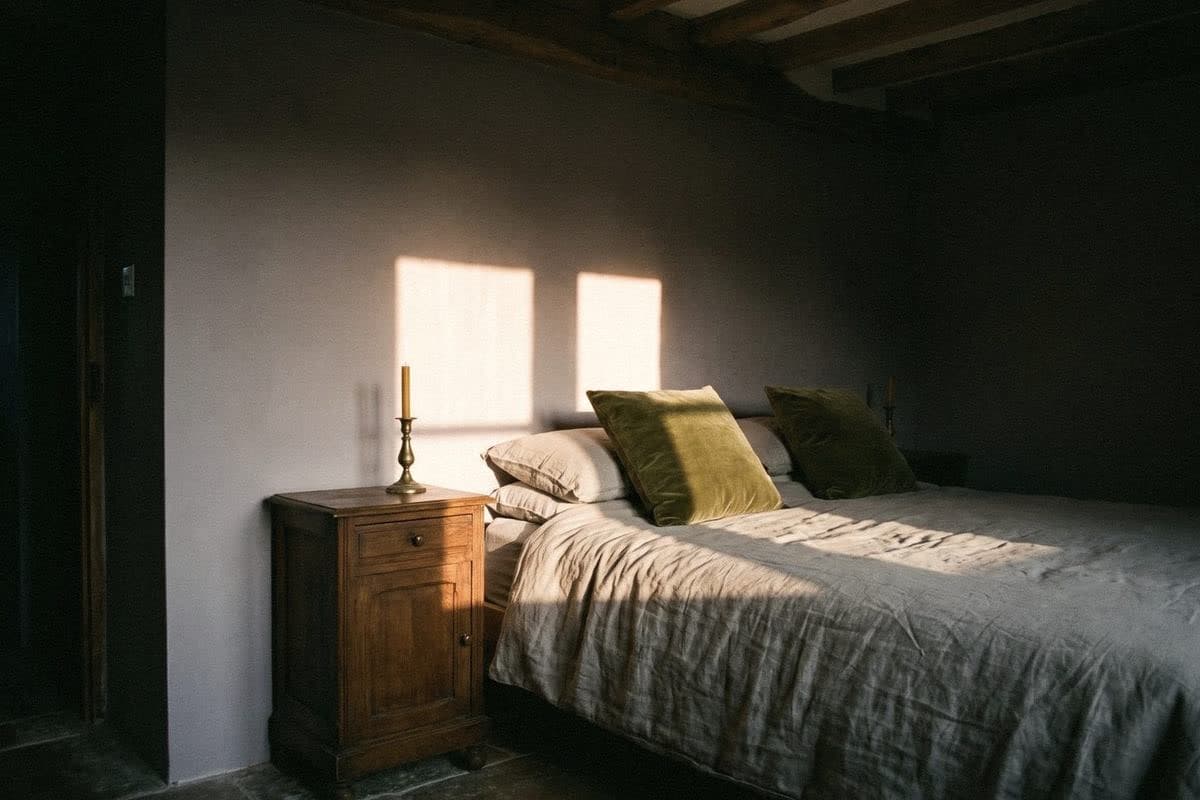
The purple bedroom and light
Purple changes its face with the light more than other colours do. In a room lit from the north, the light is soft and rather cool, and purple looks greyer and cooler. In a west-facing room that gets orange afternoon sun, purple looks redder.
Warm white bulbs make purple look warm and soft; very cool white bulbs make it look cold and hard. Paint a sample on the real wall and look at it in the morning and with the lights on at night. Most bedrooms are used at night, so lamplight matters as much as daylight.
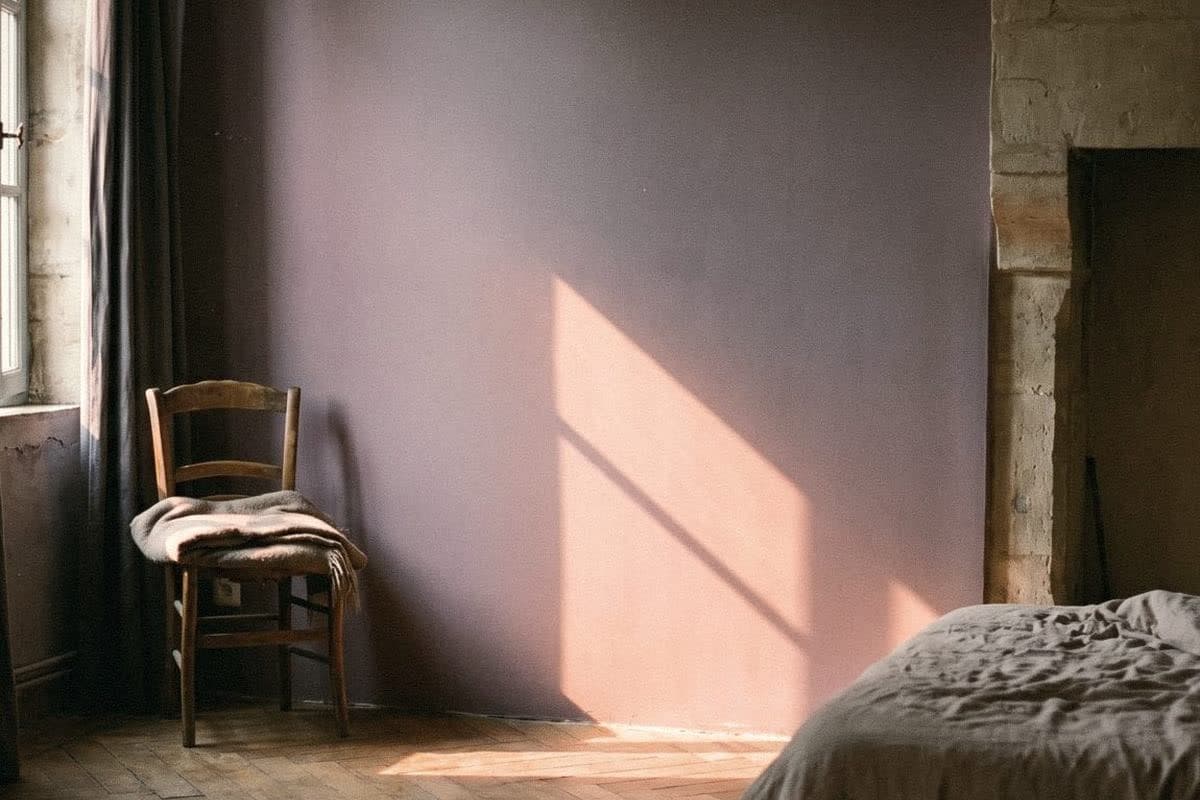
How to use purple without drowning the room
You don't need purple on all four walls to call it a purple bedroom. Sometimes a single purple wall in the right place is more powerful.
If you want a purple wall with the texture of plaster, try the purples in Voqe Mineral Finish, such as Purple Cabbage or Mao Berry, on the headboard wall. The wall will have depth and change with the light all day.
- A plum or deep purple headboard wall, with the other walls in soft white or warm grey
- Purple on the lower half of the wall and a neutral above: neat, and never heavy
- A pale lavender ceiling: the room gets colour without touching the walls
- Purple only in the sheets, curtains and cushions, for those not quite ready
- If you're brave, paint the walls and ceiling the same muted purple throughout
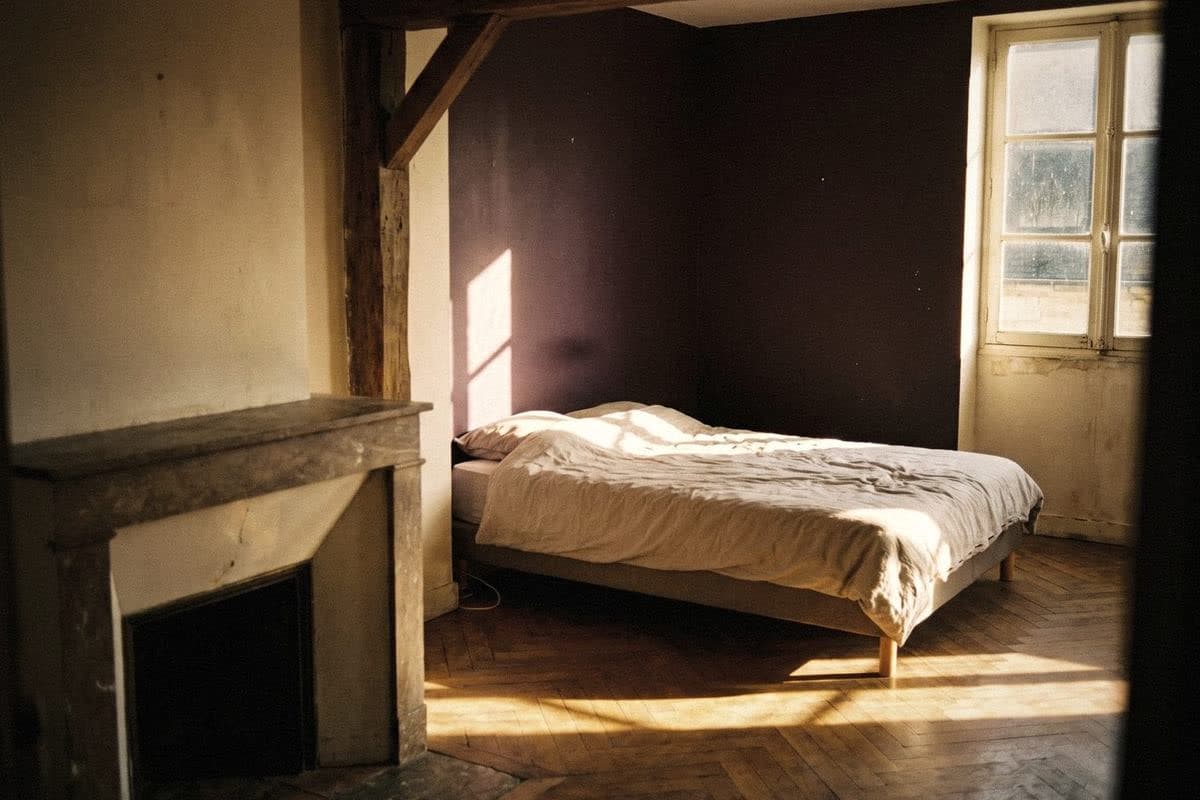
Mistakes that make a purple bedroom look childish
Purple bedrooms that don't quite work usually go wrong in the same few ways.
- Choosing a purple that is too bright for a large wall
- Using several purples with clashing undertones, such as a red-purple and a blue-purple in one room
- Pairing it with bright pink or cartoon-print decor
- Dark purple throughout with a single white ceiling light
- No natural materials at all, so the room looks like plastic

“A good purple isn't sweet. It just has more stories to tell than other colours.”
Frequently asked questions
Is purple a good colour for a bedroom?
Yes, if you choose a muted purple mixed with grey or brown, such as lavender, mauve or plum. Light purples feel soft and easy on the eye; dark purples make a room feel deep and quiet, which suits a bedroom.
What colours go with purple?
It goes with soft white, cream, warm grey, beige, olive green, sage green, dusty pink and mustard yellow, as well as dark wood, linen and brass.
What's the difference between a light purple and a dark purple bedroom?
Light purples such as lilac and lavender make a room bright and soft, and suit small rooms or rooms with little light. Dark purples such as plum and aubergine make a room feel enveloping and luxurious, and suit a headboard wall or a room used only for sleeping.
What colour sheets go with a purple bedroom?
Soft white, cream or warm grey sheets are the safest. If you want to play with colour, try olive green or dusty pink, about as muted as the purple on the wall.
Can I paint a small room purple?
Yes. Choose a light, muted purple such as lavender for the whole room, or use dark purple only on the headboard wall with neutrals on the other walls. The room won't feel cramped.

Colour on a screen never matches colour on a wall
Order a sample to paint at home, or come and see the full shade library at Voqe Studio, Bang Phli.
Order purple sample bottles to tryRead next
Bedroom decorating: 15 realistic ideas for a beautiful room that's easy to sleep in
A beautiful bedroom doesn't come from expensive things. It comes from a bed in the right place, soft light, good fabrics and one wall done with intent. 15 ideas that work in a house or a condo.
Read article
Bedroom colours: how to choose for easy sleep and a good mood in the morning
The bedroom is the one room where you want colour to speak most quietly. Choose well and it feels as soft as a hotel bed with fresh sheets.
Read article
Blue bedrooms, from clear sky blue to deep navy: which shade helps you sleep well
Blue is the bedroom colour people in hot countries love most. But the wrong blue feels as cold as a doctor's waiting room. Here's how to choose a blue that's just warm enough.
Read article