


Which fence colours look good? Ideas for masonry fences that make a home look good from the gate
The fence is the first thing people see, before they see the house, and it's the wall that takes the most sun, rain and dirt. Choose the right colour and prepare the surface well, and the house looks good from the end of the soi.
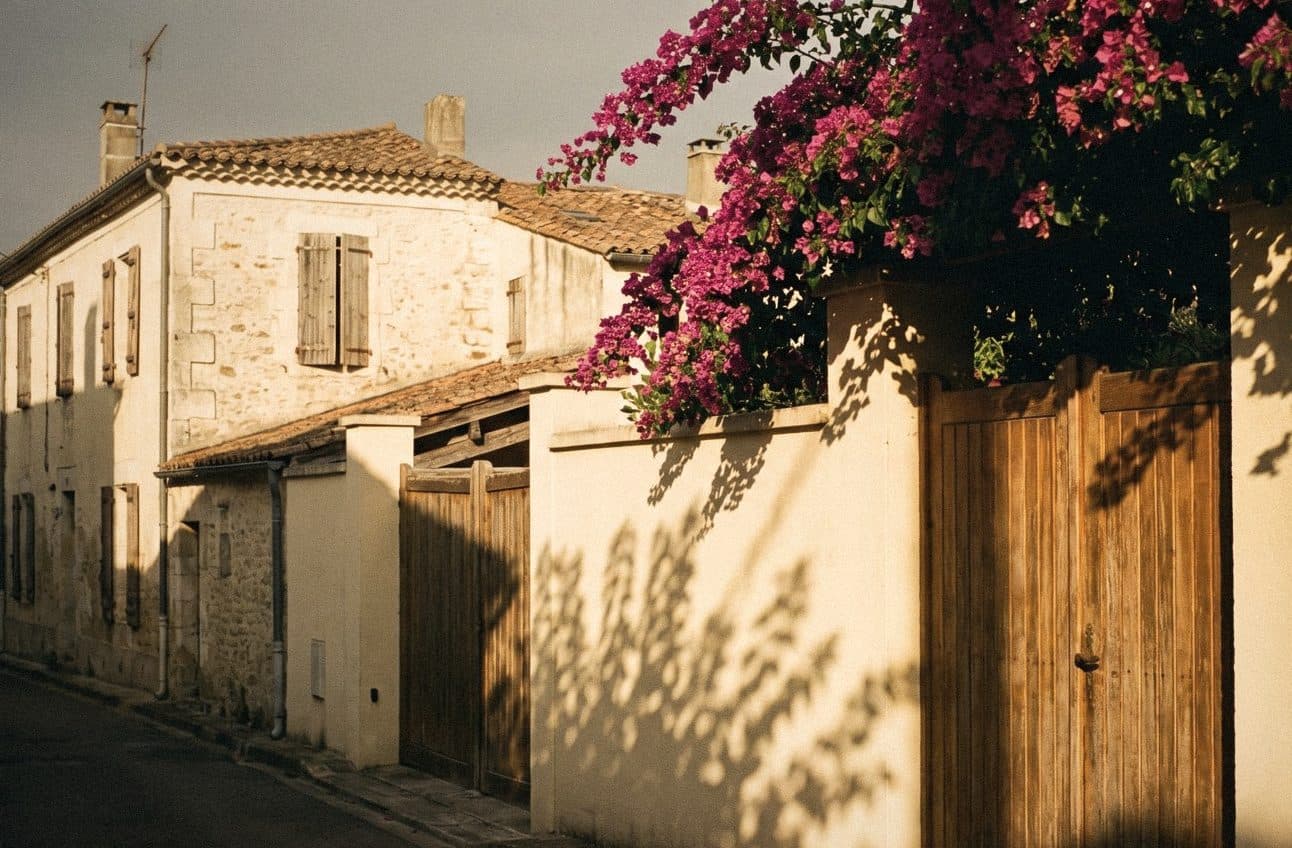
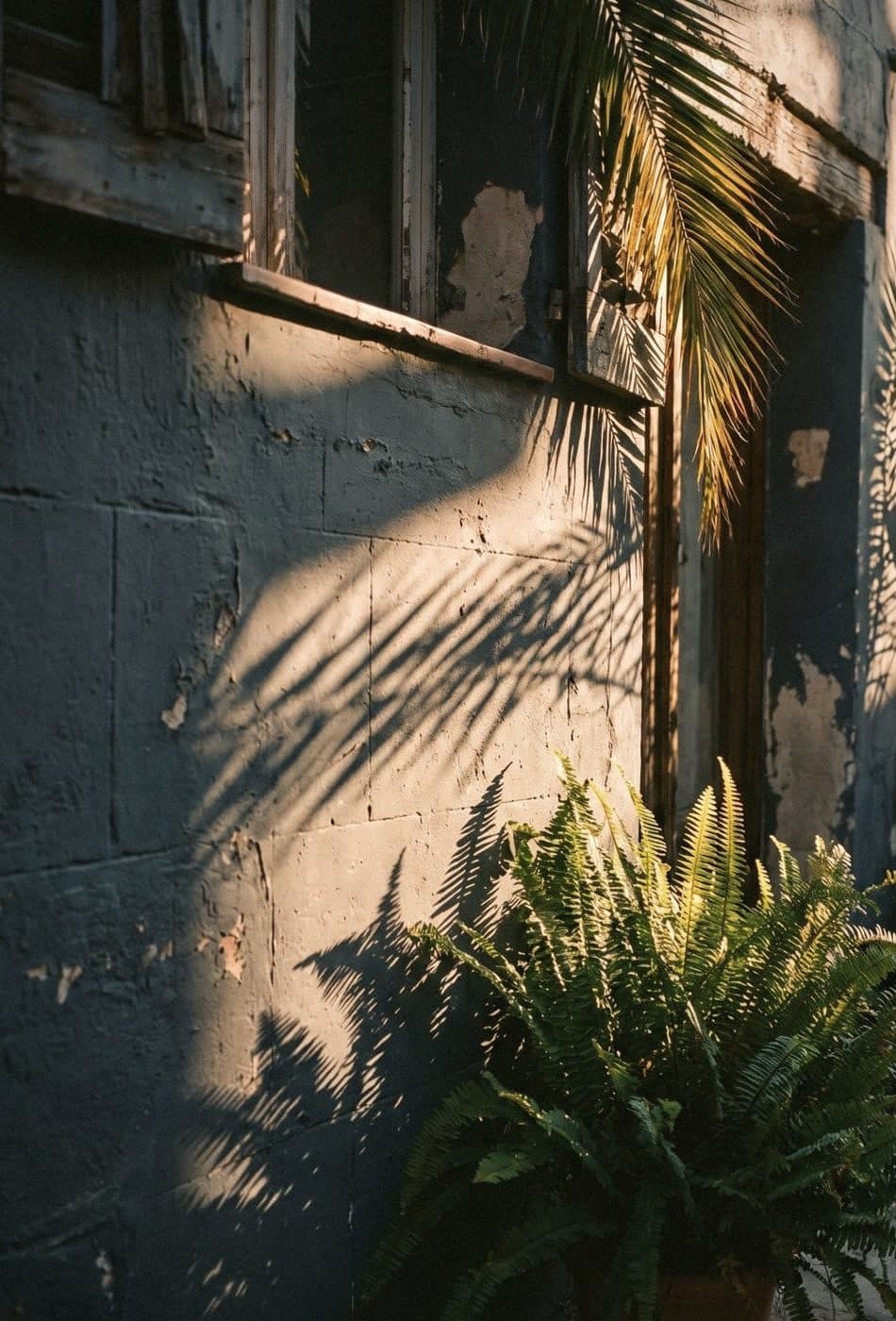

A good fence colour relates to the house. You can paint it the same colour as the house so it looks wider and calmer, or paint it darker to frame the house. Popular colours for concrete fences are soft white, cream, grey, charcoal grey and wood tones. Before painting, clean off moss, remove white salt stains and apply the right primer for the concrete, because a fence takes more sun, rain and damp from the ground than the walls of the house.
Fence colour: match the house or contrast with it?
There are two ways, and both work. The first is to paint the fence the same colour as the house. The house looks bigger, calmer and neater, which suits modern houses and houses with a narrow frontage. The second is to paint the fence a darker colour, or the same colour as the house trim. The fence then acts like a picture frame, making the house stand out.
What to avoid is a fence colour that has nothing to do with the house, such as a cream house with a bright blue fence, or a cool grey house with an orange fence. Passers-by see two projects that happen to sit next to each other.
- Want the house to look wide and simple: fence in the same colour as the house
- Want the house to stand out: fence in a darker colour, or the same colour as the trim
- A very long fence: use a mid tone, or break it up with dark piers
- Lots of greenery at the front: a muted or dark fence makes the green stand out
- Steel gates: use the same colour as the window frames or the house trim
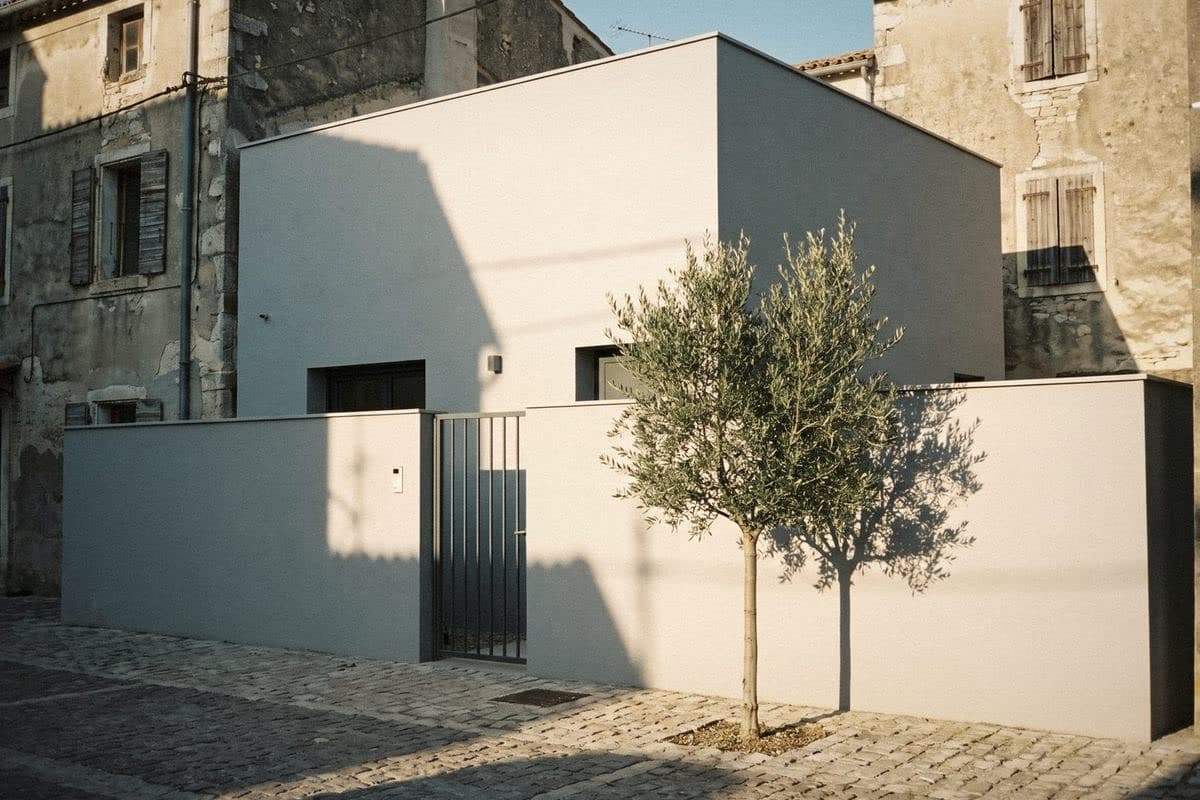
White and cream concrete fences: bright and clean, but plan for marks
White and cream fences make the front of the house look bright and clean, and they suit almost every style, from modern houses to Mediterranean-style ones. But the fence is the wall closest to the ground and the road. Splashed mud, water from sprinklers and dust from cars always dirty the bottom of it before anywhere else.
The fix that's both beautiful and clever is to paint the bottom of the fence, from about a hand-span up to knee height, in a darker colour, or to paint the fence base and pier caps in a warm grey. The fence looks as if it has a solid base, and marks hide much better. Choose a slightly muted cream rather than a clear yellow cream, and it will go with the greenery and won't look yellow in the sun.
- Fence Snowflake, base Soft Gray, with a white or light grey house
- Fence Ivory, base Caramel, with a cream or beige house
- Fence Popcorn, pier caps and base Coffee Bean, with a classic-style house

Grey and charcoal fences: easy to look after, and modern
Mid grey is one of the easiest fence colours to look after. It hides dust and marks well, and goes with white, cream, grey and wooden houses alike. If you want the house to look more modern, try a dark grey that's almost charcoal with a light-coloured house. The fence steps back and lets the plants and the house come forward instead, like a dark plate that makes food look more appetising.
Worth knowing: a dark colour on a fence in sun all day gets hot to touch and shows fading more clearly than a light colour. If the fence faces west with no shade at all, a mid grey is a more comfortable choice than charcoal.
- Fence Tornado Gray, with a white or cream house: soft and neat
- Fence Soft Gray, with a beige-toned house: a warm concrete look
- Fence Shadow Stone, with a light-coloured house and a front garden full of plants
- Fence Coffee Bean with a black gate, with a modern white house

Wood-toned and green fences, and fences that live with plants
A fence that mixes in wood, such as a concrete lower half with timber slats above, gives both warmth and privacy. The concrete part should be a colour that suits the wood tone, such as cream, beige or warm grey. To make the concrete and wood look even more of a set, try a mid brown on the fence base.
A muted dark green fence is another idea that looks better than you'd expect. The fence melts into the shrubs and climbers, and the front of the house looks more like a garden than a wall. If you grow climbers on the fence, use a frame or wires to keep the plants a little away from the wall. The wall then dries quickly after rain, because damp that lingers is what causes moss and peeling paint.
- A Linen concrete fence with timber slats on top
- A Coconut Sugar concrete fence with a Caramel base and a wooden gate
- A Coastal Pine fence with shrubs and climbers
- A Green Tea Latte fence with a cream or white house

Preparing a concrete fence before painting: white salt stains, moss and peeling paint
A concrete fence takes more sun, rain and damp from the ground than the walls of the house. A common problem is a white, salt-like powder on the concrete surface. It happens when water soaks into the concrete or brick, dissolves salts in the material and leaves white crystals behind as it evaporates. Paint over it without fixing it, and the paint usually blisters and peels before long.
The right order is to fix where the water comes from first, then fix the surface, and only then apply primer and the finish paint. For a newly built and rendered fence, wait at least a month for the concrete to cure before painting.
- 1. Check the water path: does the top of the fence have a moulding or coping to shed water? Is there soil or are there pots leaning against the base?
- 2. Brush off the salt stains with a dry brush while the wall is dry. Don't wash it until the wall is soaked.
- 3. Clean off moss and mould with a fungicidal solution, rinse it off, then let the wall dry completely.
- 4. Scrape off all flaking and peeling paint, and fill hairline cracks.
- 5. Apply 1 coat of old-concrete primer on an existing fence, or new-concrete primer on a freshly rendered fence.
- 6. Apply 2 coats of finish paint, choosing a spell with no rain.

Beautiful concrete fences: flat paint or a textured finish?
Flat paint is the easiest and best-value route. It's easy to touch up and repaint, you can change the colour when you get bored, and it suits a long fence you have to maintain along its whole length. A textured or aged-plaster finish gives the fence depth, disguises uneven concrete well, and suits tropical and Mediterranean-style houses, or houses with lots of plants.
An idea that works is not to texture the whole length. Do just the section by the gate, and paint the rest of the fence flat in the same tone. If you want this kind of finish, Voqe Mineral Finish works on both interior and exterior walls, sealed with Mineral Sealer on walls exposed to water. For steel gates, use a paint designed for metal, and always remove rust before painting.
- Flat paint: easy, easy to repair, easy to change colour; suits a long fence
- Textured or aged-plaster finish: has depth, disguises an uneven surface; suits the section by the gate
- Mixed: texture by the front of the house, flat paint in the same tone for the rest
- Steel gates: use paint for metal, and remove rust first
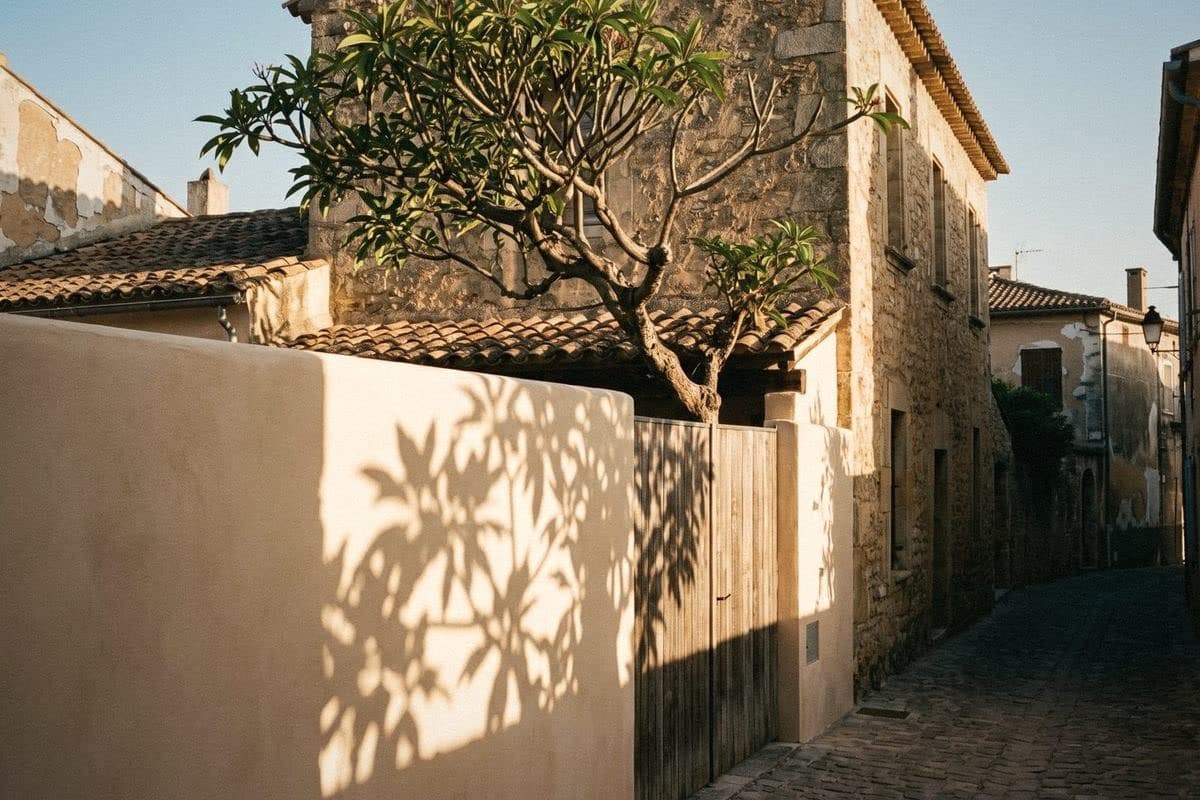
“The fence is the house's first hello. Make it a good one, and people want to come in.”
Frequently asked questions
What colour should I paint my fence?
Popular colours that look good are soft white, cream, mid grey, charcoal grey and wood tones. Paint it the same as the house if you want the house to look wide and simple, or darker than the house if you want the house to stand out.
Should the fence be the same colour as the house?
It doesn't have to be, but the two should relate. The same colour as the house looks calm and wide; the same colour as the trim, or darker, frames the house so it stands out. What to avoid is a colour that has no relationship to the house at all.
My concrete fence has white stains. How do I fix it?
White stains are usually salt deposits from water soaking through the concrete. Fix where the water comes from first, brush off the stains while the wall is dry, let the wall dry completely, then apply an old-concrete primer before the finish paint. If the stains come back, water is still getting in.
Do I need a primer to paint a fence?
You should use one. On an existing fence, use an old-concrete primer after cleaning and scraping off flaking paint. On a freshly rendered fence, use a new-concrete primer once the concrete has cured for at least a month. Then apply 2 coats of finish paint.
Is a dark fence a good idea?
Yes, if the house is light-coloured and there are plants at the front: a dark fence helps the house and garden stand out. But a dark colour in sun all day gets hot to touch and shows fading more clearly, so a fence with no shade suits a mid grey better.

Colour on a screen never matches colour on a wall
Order a sample to paint at home, or come and see the full shade library at Voqe Studio, Bang Phli.
Order sample jars to try on the real fenceRead next
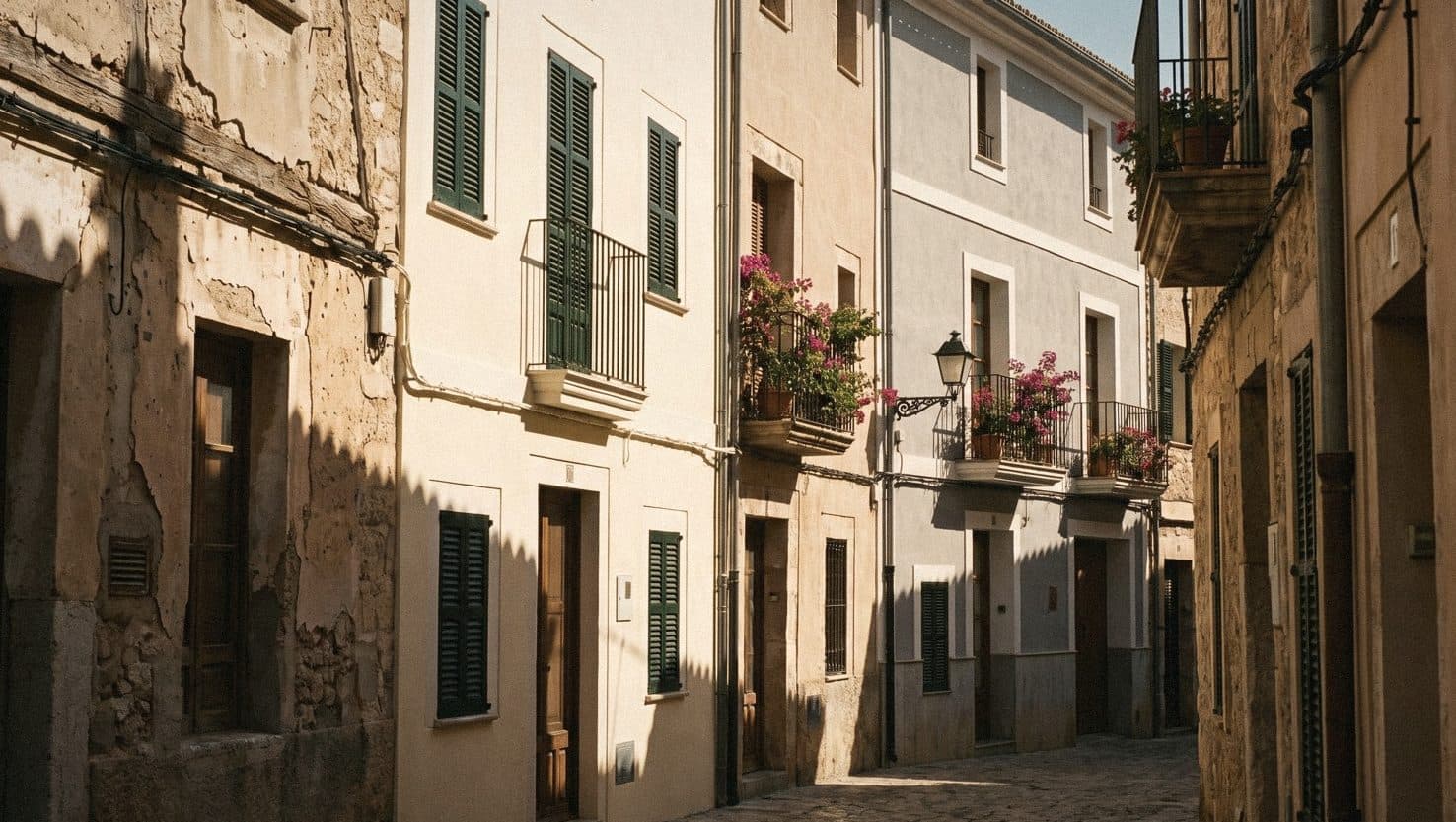
Exterior house paint: pairing colours that look good and stand up to Thai sun and rain
Your house is the biggest shirt you wear every day. Thai sun is strong and Thai rain is heavy, so choose a colour that looks good and one that lasts.
Read article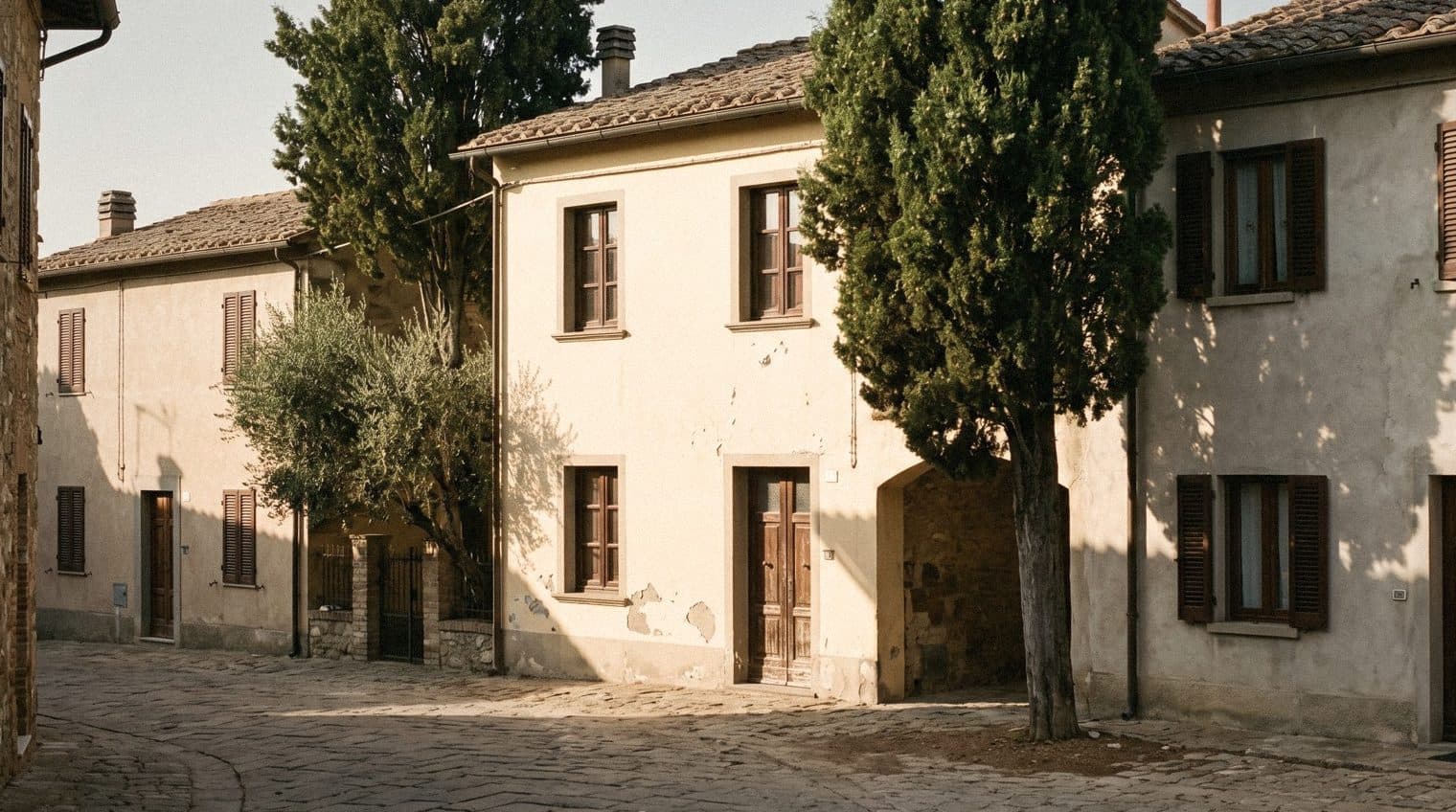
What colour should I paint my house exterior? A step-by-step way to choose, without guessing
You don't choose an exterior colour from a colour chart. You choose it from the roof, the sun, the rain and the house next door. Work through these six steps, then open the paint.
Read article
Two-tone grey exterior paint: 12 colour combinations that look sharp, not hot or gloomy
A grey house doesn't have to look like a car park. Pick the right grey, then pair it with white, wood or black in the right proportions, and the house looks sharp and easy to live with.
Read article