


Japanese-style and Japandi homes in the Thai climate: how to choose wall colours
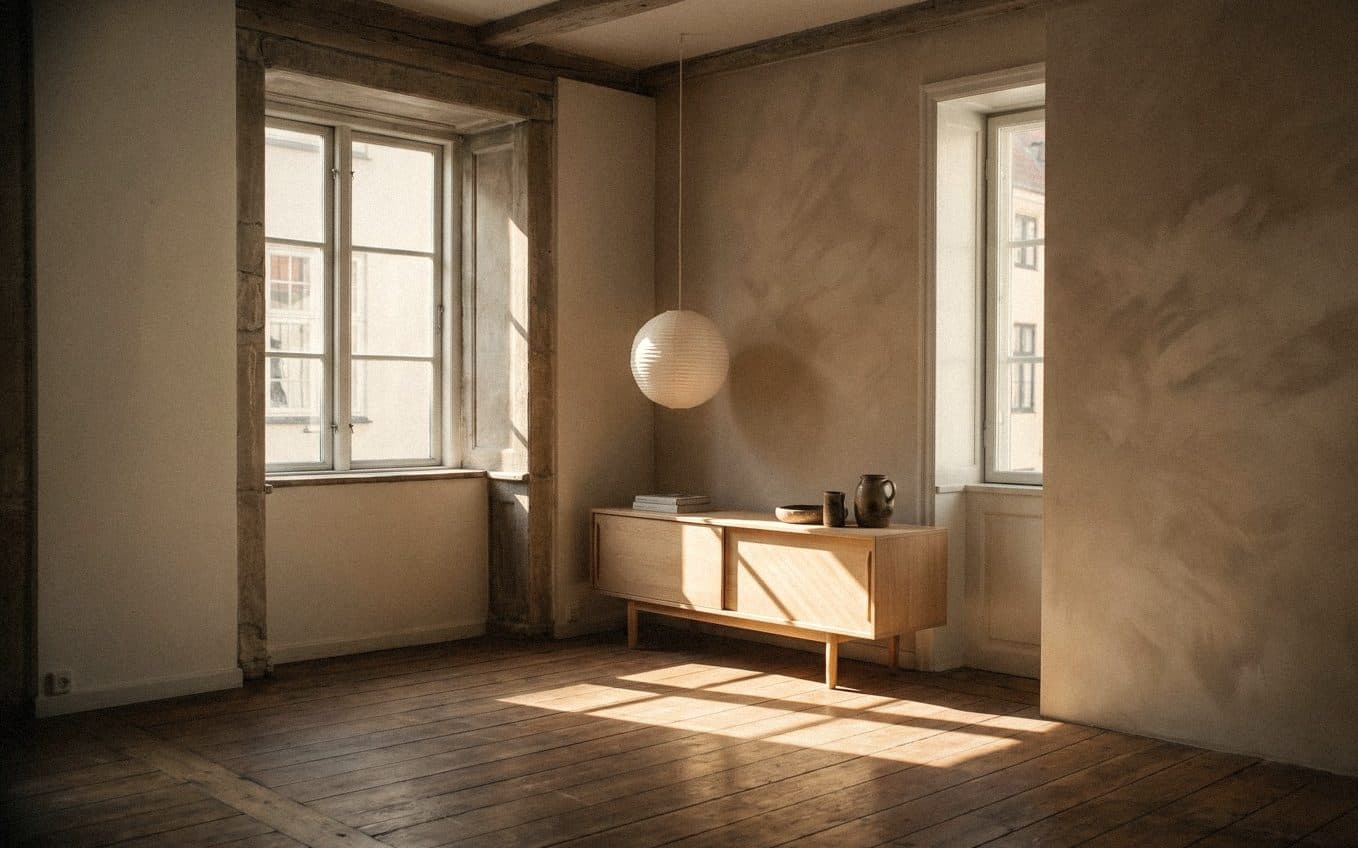
Traditional Japanese or Japandi, either can look beautiful in a tropical home, as long as you choose wall colours that are calm and stand up to humidity.
Shades in this collection
11 shades · every one comes as a sample Wall Paint
 Wall Paint
 Wall Paint
 Wall Paint
 Wall Paint
 Wall Paint
 Mineral Finish
 Mineral Finish
 Mineral Finish
 Mineral Finish
 Mineral Finish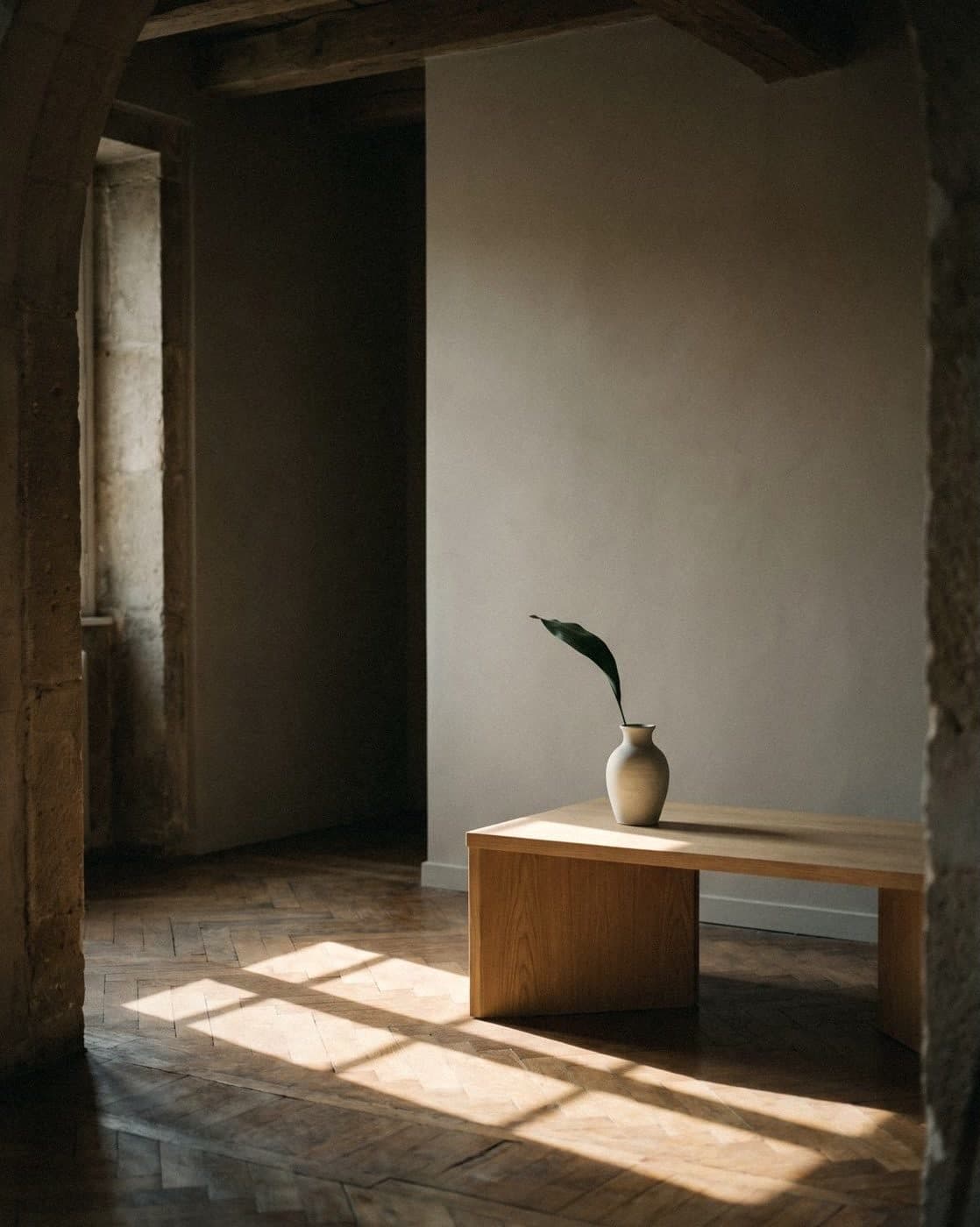
Japanese-style and Japandi homes use natural wall colours, such as cream, beige, sand, stone grey and tea green, to sit well with wood and natural light. In Thailand's hot, humid climate, use Voqe Wall Paint, a 100% acrylic with a low odour, for most walls, then choose one feature wall in Voqe Mineral Finish, which is breathable and mould-resistant, for a surface like an earthen or plastered wall.
How Japanese-style and Japandi homes differ
A Japanese-style home is about simplicity, stillness, wood, paper and natural light. Everything has its place. Japandi blends Japanese with Scandinavian: the warmth of a Nordic home, clean-lined furniture and a palette that is a touch lighter.
What the two share is this: the wall colour is the backdrop, not the star. Think of the rice in a bento. It is never the most eye-catching thing in the box, but you couldn't do without it.
Wood and paper tones for most walls
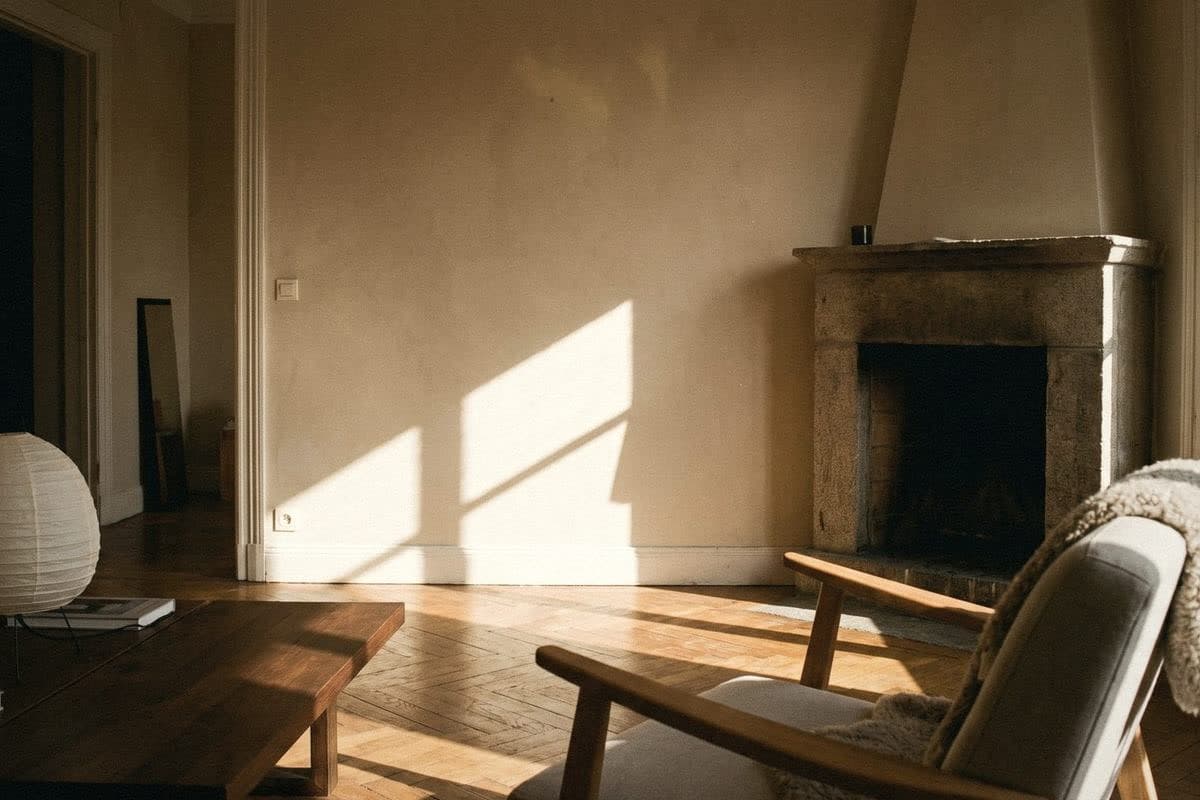
Most walls in a Japanese-style home should be soft, warm-leaning tones that sit easily with pale wood. Voqe Wall Paint offers Ivory, Oatmeal, Linen and Sand Dust, so you can choose by how warm you like it.
Voqe Wall Paint is a 100% acrylic, Low VOC and low in odour, available in Eggshell and Semi gloss finishes. It works inside and out, and covers 35-40 sq m per gallon per coat.
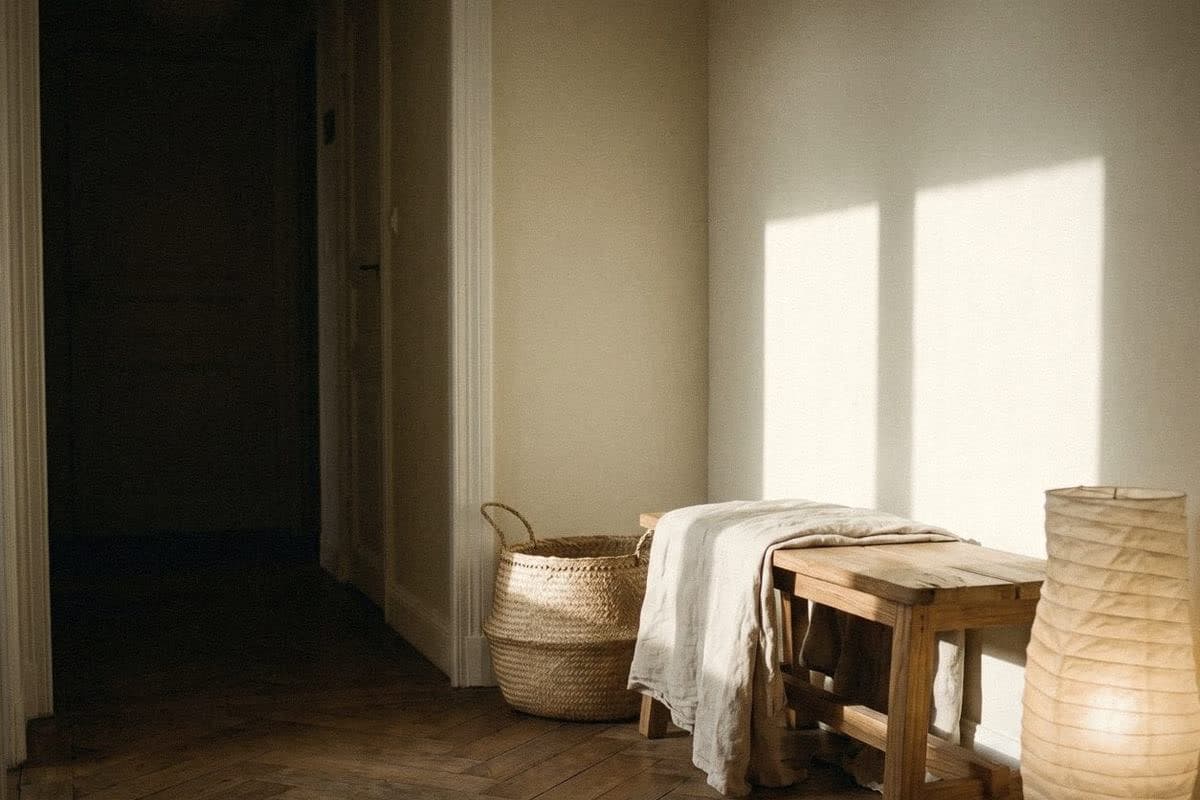
An earthen-style feature wall with Mineral Finish
Traditional Japanese homes have plastered earth walls with an uneven surface that takes on depth when the light falls across it. You can get this look with Voqe Mineral Finish, a matt, limewash-style mineral paint. Two tones are applied in alternating, criss-crossing directions until you have a pattern no one else's wall will share.
Choose one wall to be the calm point of the house, such as the wall behind the bed or the wall in your tea corner. Shades that suit this style are Toasted Rice, Chill Beige, Latte and Pebble.
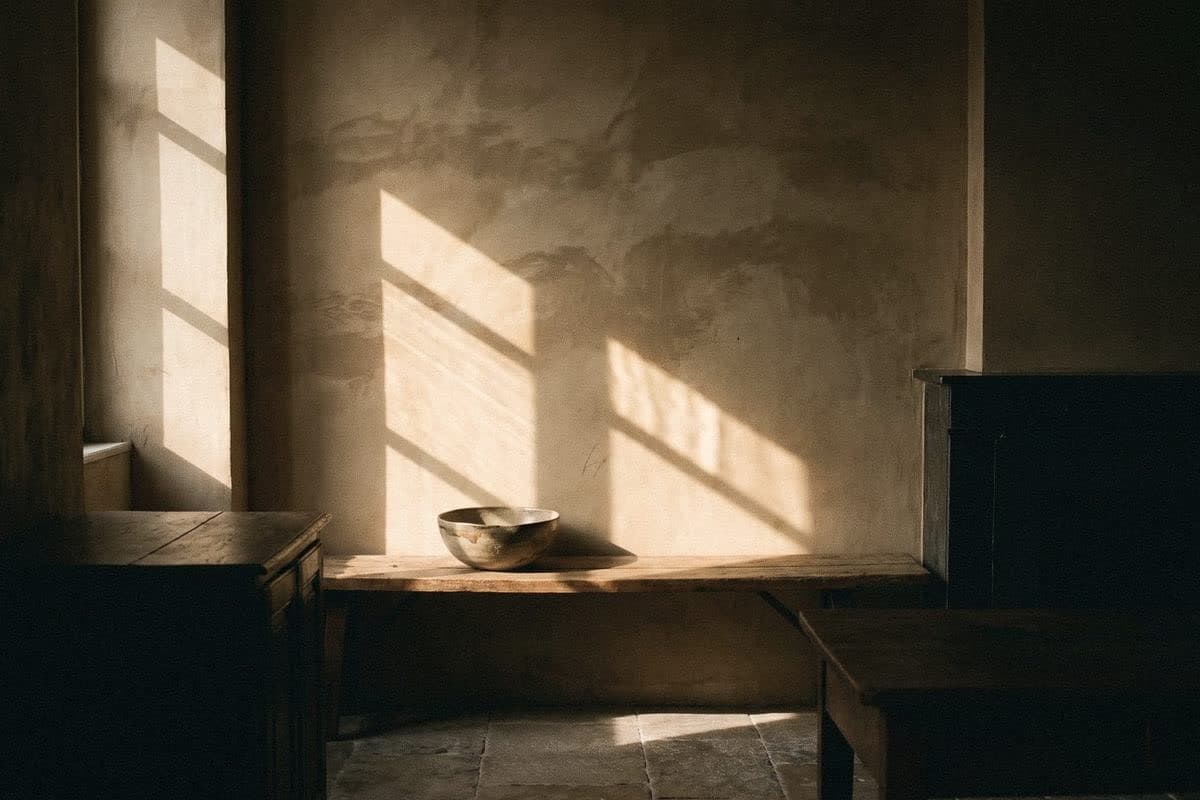
Tea green and stone grey: accent colours from the Japanese garden
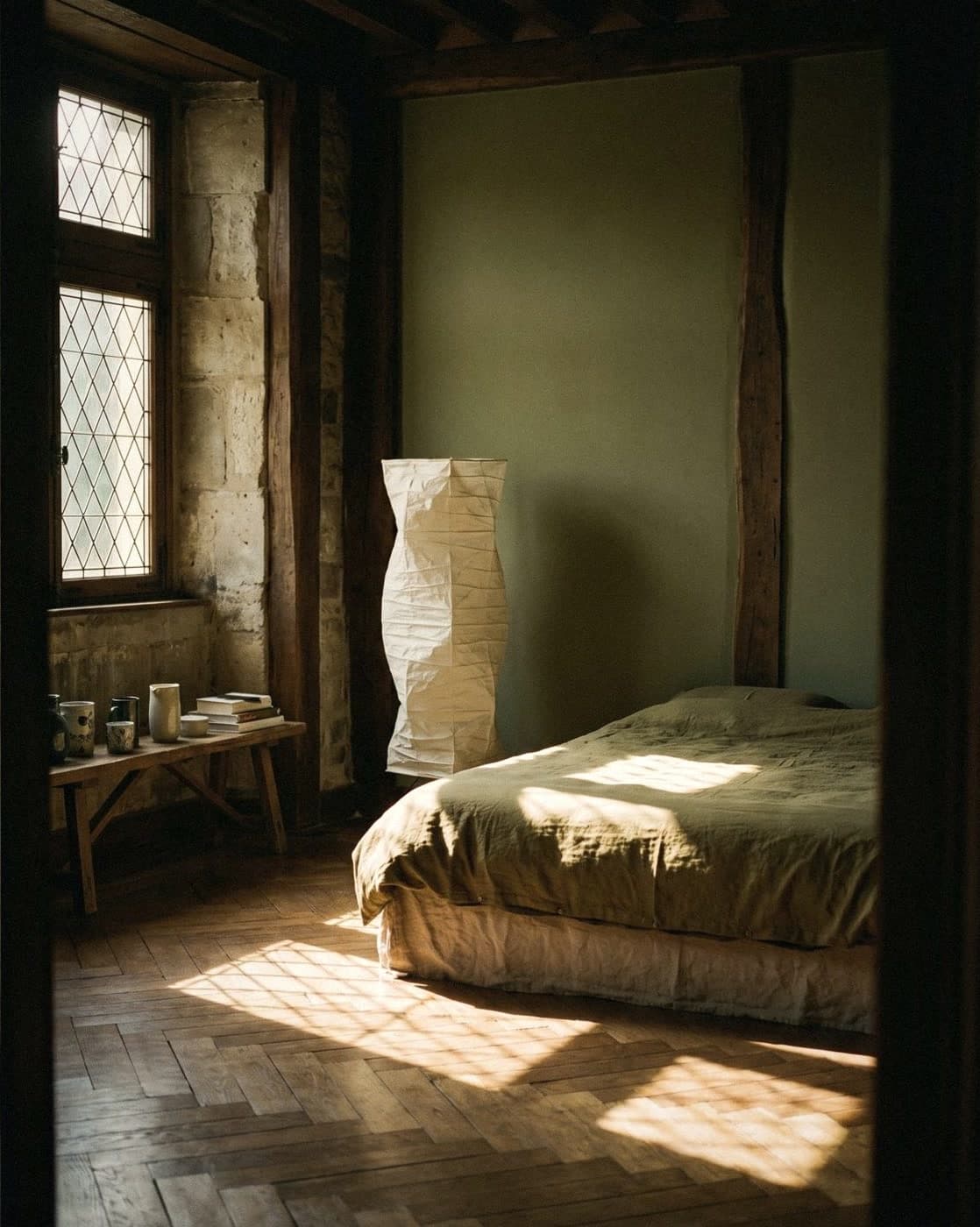
If you want colour with more character, borrow from a Japanese garden: tea green, moss green and stone grey. Use them in small rooms such as a study or a guest bathroom, or on a single wall in the living room.
Voqe Wall Paint has Tea Leaf and Soft Gray, and Mineral Finish has Siam Olive for a green feature wall.
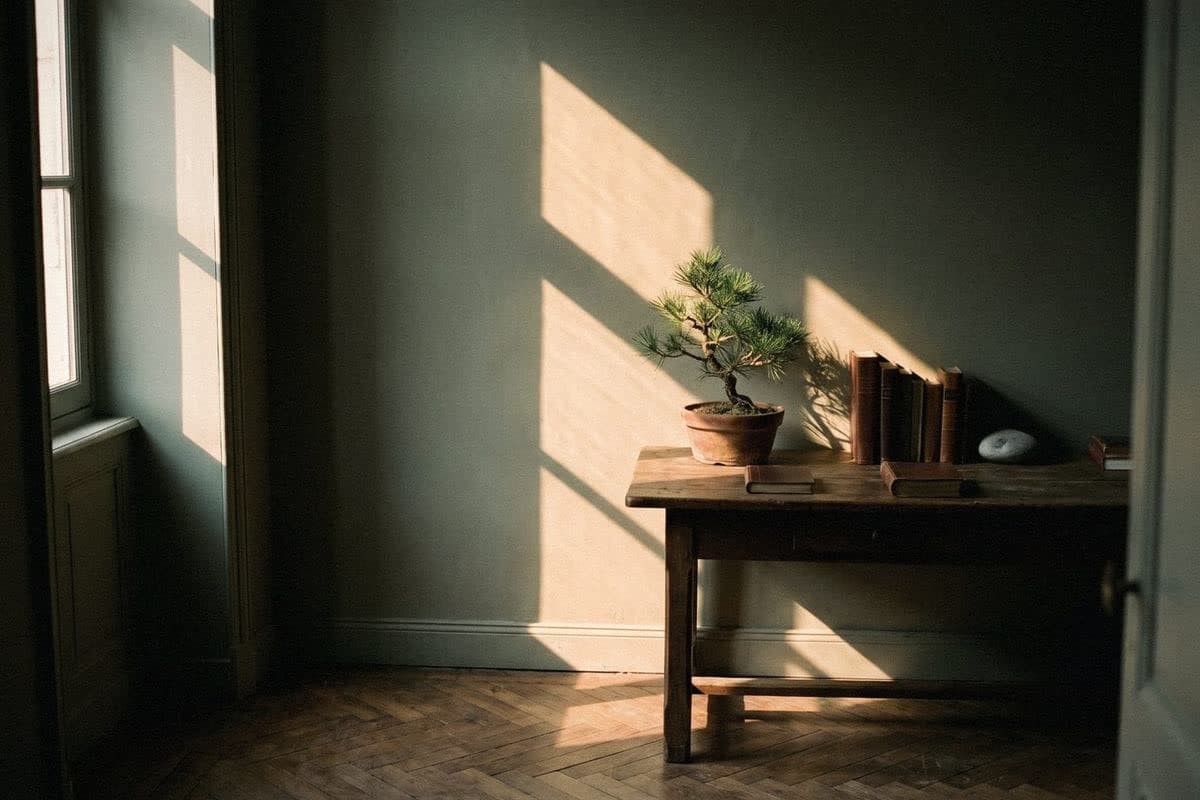
Japanese style in Thailand's hot, humid climate
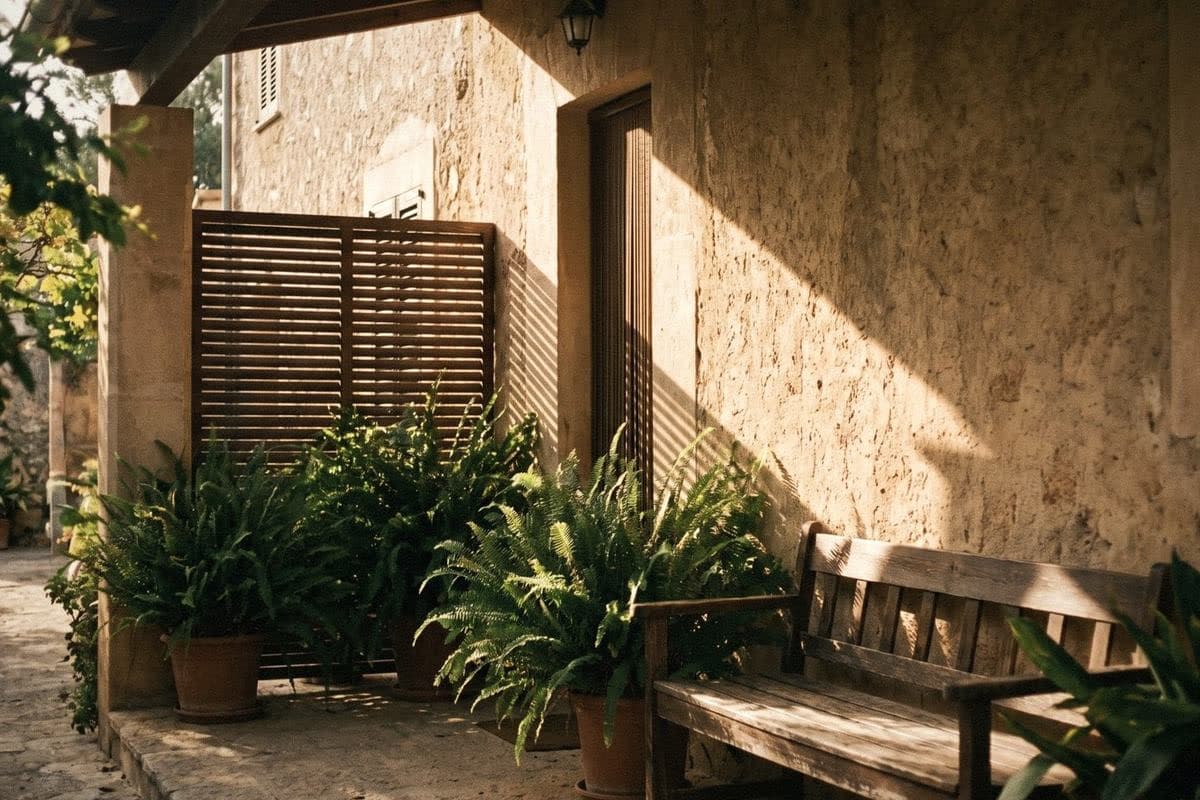
The Japanese homes in pictures usually sit in cool, dry climates. Ours are hot, humid and rainy for half the year, so wall paint has to do more than look good. Mineral Finish is breathable and mould-resistant, and works on interior and exterior walls. For outdoor work, finish with Voqe Mineral Sealer, which doesn't turn white when it gets wet.
The simple plan: Wall Paint in wood and paper tones for most walls, Mineral Finish on one feature wall, then add wood, cotton and green plants. Not sure which shade suits your home? Take the colour quiz, or send a photo of your room for a free colour consultation on LINE @dynohomes.
- Living room: Wall Paint Oatmeal + Mineral Finish Pebble on the TV wall
- Bedroom: Wall Paint Ivory + Mineral Finish Toasted Rice on the wall behind the bed
- Study: Wall Paint Tea Leaf throughout
“A good Japanese home doesn't have to be in Kyoto. It just has to be calm enough to make you forget the traffic at the end of your soi.”
Frequently asked questions
What colours suit a Japanese-style home?
Natural tones such as cream, beige, sand, stone grey and tea green. Voqe Wall Paint has Ivory, Oatmeal, Linen, Sand Dust and Tea Leaf.
What is Japandi?
Japandi is a style that blends Japanese simplicity and calm with Scandinavian warmth. It centres on wood, clean lines, few objects and light, natural colours.
Can I get the look of a Japanese earth wall?
You can get close. Use Voqe Mineral Finish, a matt mineral paint applied in two tones in alternating directions for a surface with depth. Shades that suit it are Toasted Rice, Chill Beige, Latte and Pebble.
Which wall paint suits Thailand's humid climate?
Voqe Mineral Finish is breathable and mould-resistant, and Voqe Wall Paint is a 100% acrylic for interior and exterior use.

Colour on a screen never matches colour on a wall
Order a sample to paint at home, or come and see the full shade library at Voqe Studio, Bang Phli.
Take the quiz to find your Japanese-style home coloursRead next
What is wabi sabi? The wabi sabi home that's beautiful because it's imperfect
A home that doesn't need to be perfect, but feels calm every time you walk in. Wabi sabi can start with a single wall.
Read article
What is Mineral Finish? A lime wash-style mineral paint that gives walls texture
The depth of a European plastered wall, applied yourself with a brush. Everything you need to know about Mineral Finish, on one page.
Read article
Minimal house paint: less, but never bland
A minimal home doesn't mean white from top to bottom. It means choosing few colours and choosing them well. Flat, lifeless walls don't come into it.
Read article