


How to paint a house exterior: repainting an old concrete house, every step from washing the walls to the final coat
Two coats of paint can make an old house look new. But how long that paint lasts is decided on the day you wash the walls.
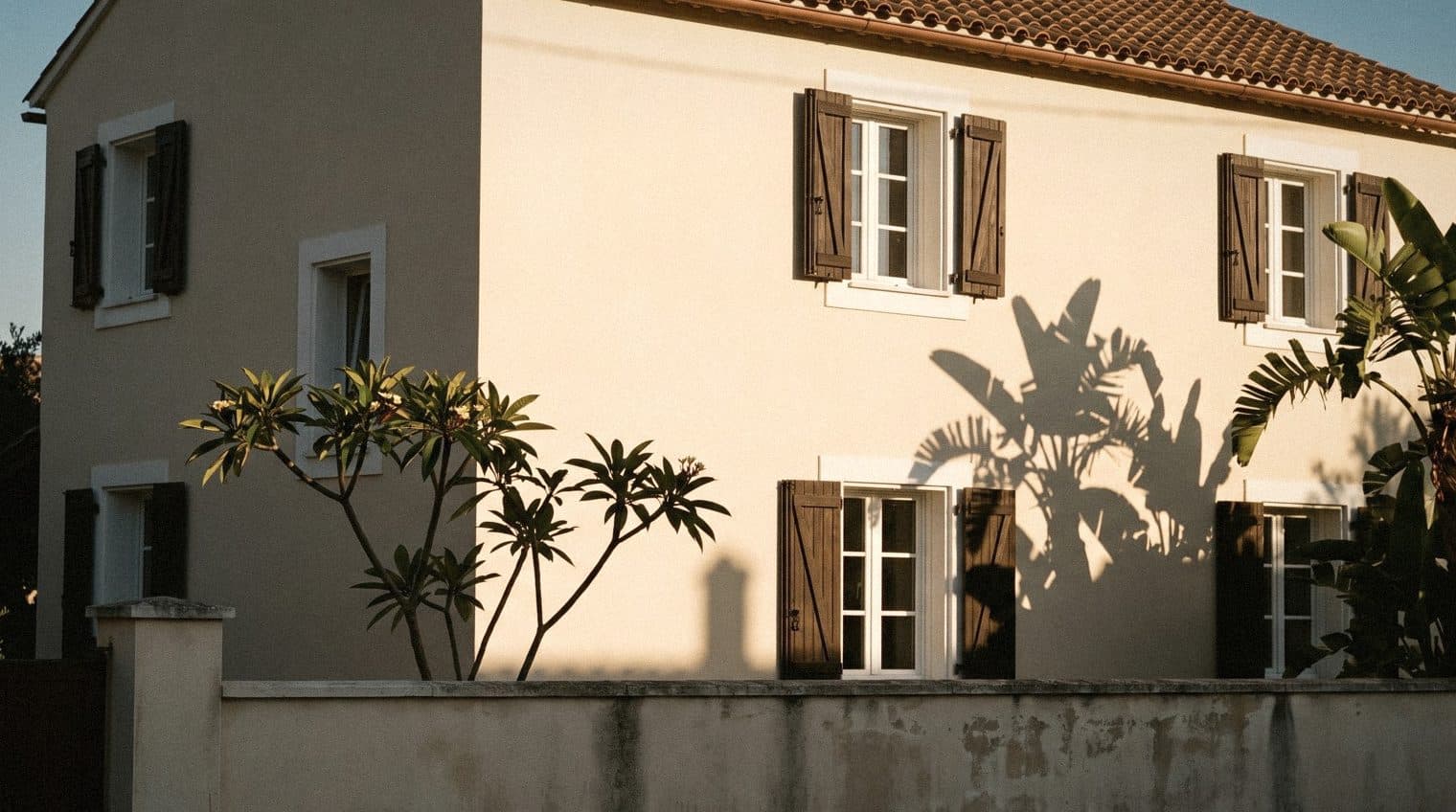

To repaint the outside of an old concrete house, choose a time with little rain, wash the walls clean, get rid of algae and mould, scrape off flaking paint, repair cracks, apply one coat of old-concrete primer, then two topcoats, working from the top down. The wall preparation is what decides how long the new paint will last.
Choosing the season and the day to paint outside
When you paint a house exterior in Thailand, the real enemy isn't difficulty, it's rain. For many regions the best time is from the end of the rains through the cool season to the start of the hot season, when there is little rain and the air is dry. Walls that have soaked up water all through the rainy season also need time to dry first. It isn't a case of the rain stopping today and painting tomorrow.
Day to day, follow the shade. Paint the east-facing walls in the afternoon and the west-facing walls in the morning. Avoid walls in full midday sun, because the paint dries too fast and the roller joins show up as stripes. And allow time for the paint to dry before any rain or the evening dew.
If you really must paint in the rainy season, check the hourly forecast, paint one side at a time, start mid-morning once the walls have dried off from the dew, and stop before the rain clouds arrive. Water-based acrylic paint is touch dry quickly, but it still needs time before it meets heavy rain.
- The walls are completely dry, with no run of rainy days beforehand
- No rain in the forecast for at least several hours after painting
- Paint the side that is in shade or soft sun
- No wind strong enough to blow dust and leaves onto wet paint
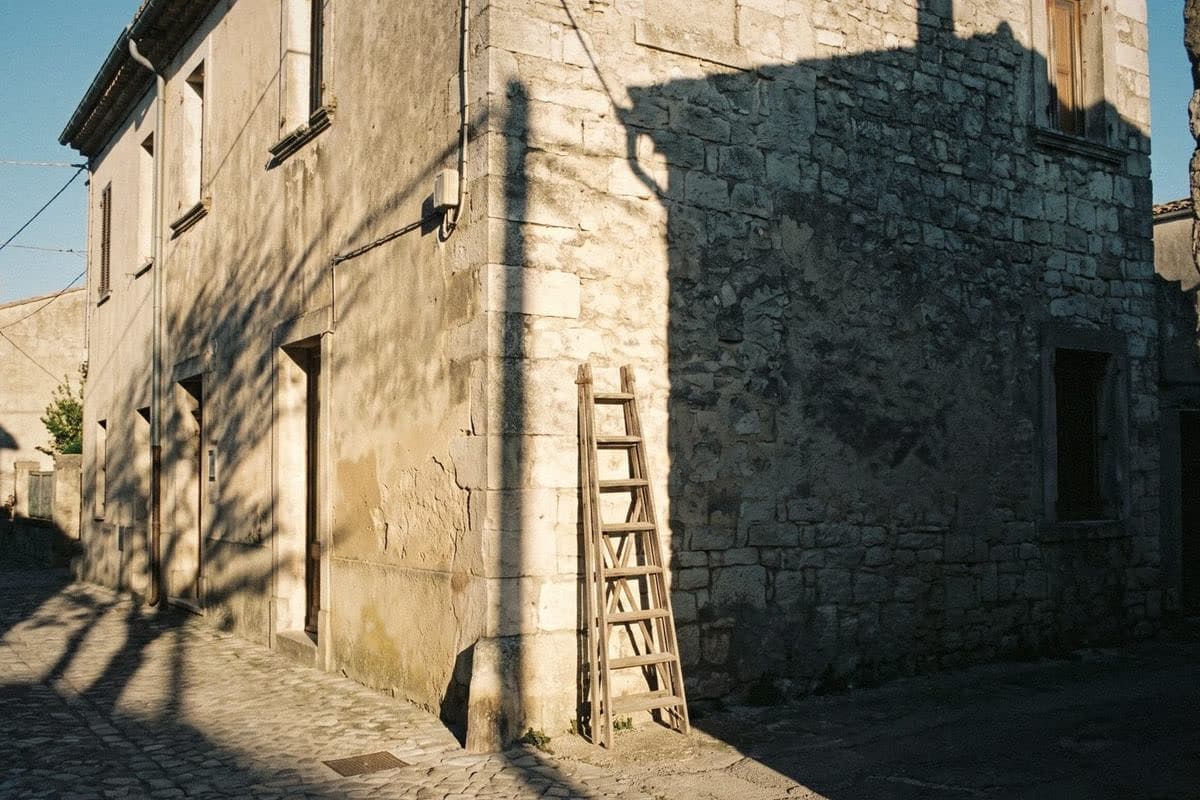
Washing, killing algae and scraping old paint: the steps good painters never skip
How well new paint grips depends on the surface it grips to. Painting over dust, black grime or algae is like putting a sticker on a table that still has crumbs on it. It won't stay stuck for long.
Start by washing the walls with a pressure washer, working from top to bottom to lift off dust and black grime. Take care not to hold the nozzle too close to loose render or window edges. Where there is algae, black mould or green staining, apply a fungicide and leave it for as long as the label says, scrub, then rinse it off. Then let the walls dry completely: at least one to two sunny days, and thick walls or walls that have been damp may need longer.
While you wait, check the walls by hand. Rub the wall, and if white powder comes off on your hand, the old paint has broken down into chalk. Scrape off flaking, blistered or cracked paint with a scraper and a wire brush, back to a firm surface.
- Pressure-wash from top to bottom
- Apply fungicide to algae and black mould, scrub, then rinse off
- Let dry for at least one to two sunny days
- Rub the wall with your palm to check for chalking
- Scrape off flaking and blistered paint back to a firm surface
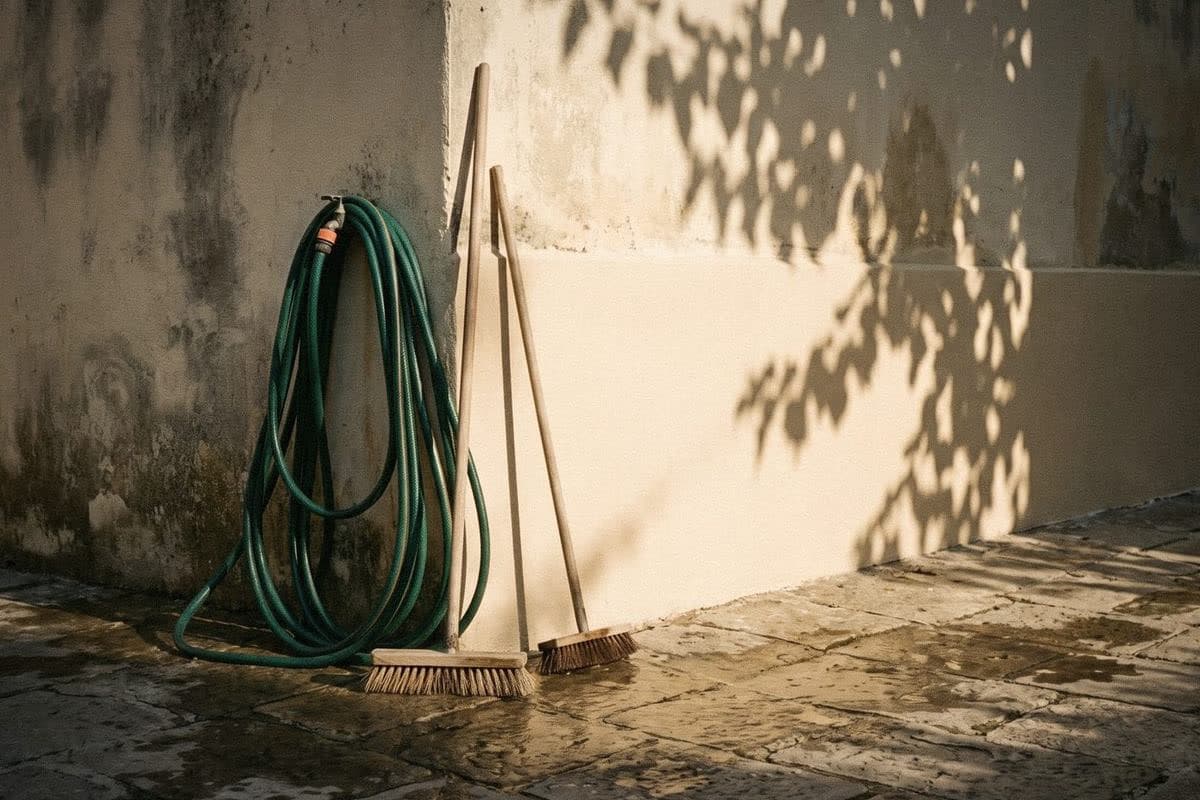
Repairing cracks, and how to prime old concrete
Almost every old house has hairline cracks across its exterior walls. These cracks are doors that let rainwater into the wall. If you don't fill them before painting, water will push the new paint off from inside by the first rainy season. Open up the cracks into a groove, fill them with a flexible acrylic filler made for exterior use, let it dry and sand it smooth. Diagonal cracks running from the corners of windows, or wide cracks, should be looked at by a builder or engineer first.
To prime old concrete, apply one coat over the whole wall, not just the repaired patches, because an old wall absorbs paint unevenly. Primer binds any chalky powder that is left and helps the topcoat grip evenly across the whole wall. Brush in the edges and corners first, then roll the large areas. Let it dry for the time on the label before applying the topcoat.
If some areas have been chiselled out and re-rendered, those patches are no longer old concrete. Let the new render cure for at least about a month, then use a new-concrete primer on those patches only.
- Old concrete, chalky surfaces or walls painted before: old-concrete primer
- Newly rendered repairs: let cure for at least about a month, then use new-concrete primer
- Hairline cracks: fill with exterior acrylic filler before priming
- Diagonal or wide cracks: have a specialist look first
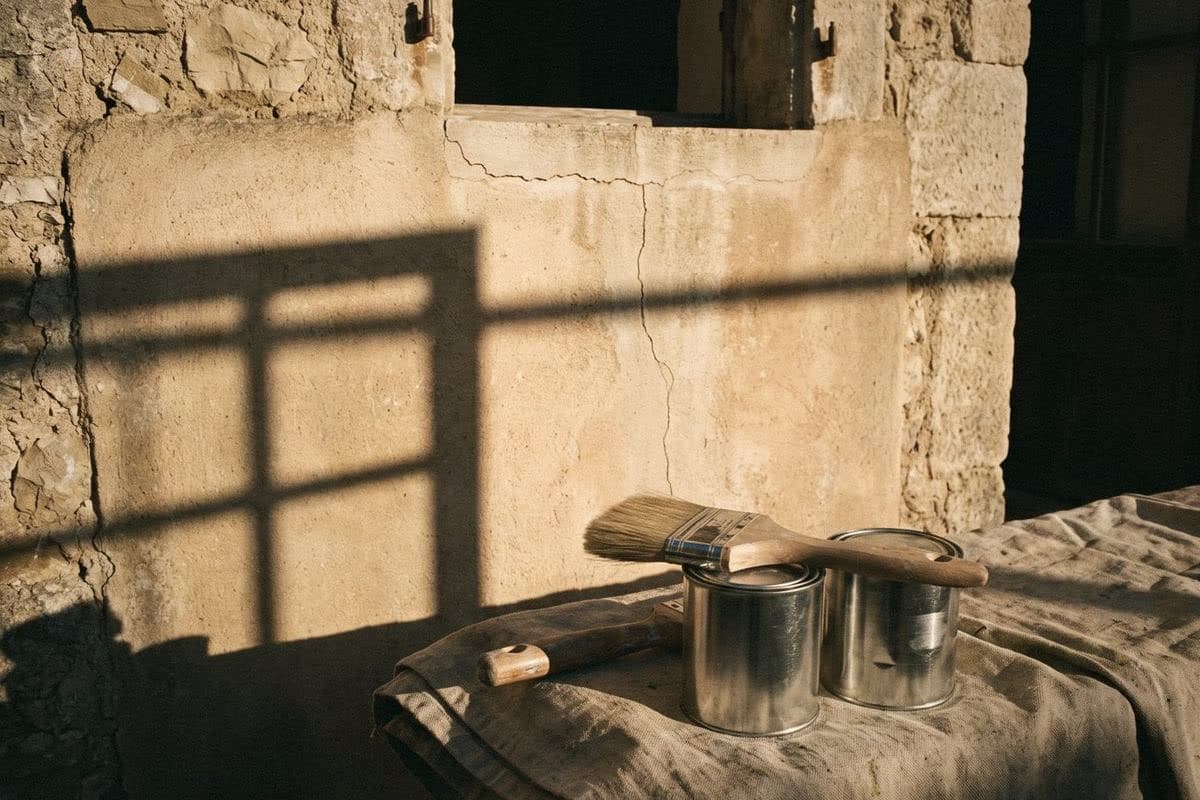
The order for painting a house exterior: top to bottom
The easiest rule to remember is to let gravity be your friend. Drips, dust and paint flakes always fall downwards, so start at the highest point and work down. Finish one wall at a time, side by side, without stopping halfway across a wall, because the join between dried paint and wet paint shows clearly when the sun hits it.
Apply two topcoats, waiting for the first coat to dry for the time on the label before applying the second. The second coat is what gives full colour and stands up to sun and rain; it isn't an optional extra you can skip. With Voqe Wall Paint, a pure acrylic for both interior and exterior use, you can apply the second coat about one to two hours after the first.
- 1. Eave soffits and fascia boards
- 2. Upper-floor walls, top to bottom, one side at a time
- 3. Ground-floor walls
- 4. Window frames, sills, mouldings and cutting-in
- 5. Doors, fences and the lowest parts
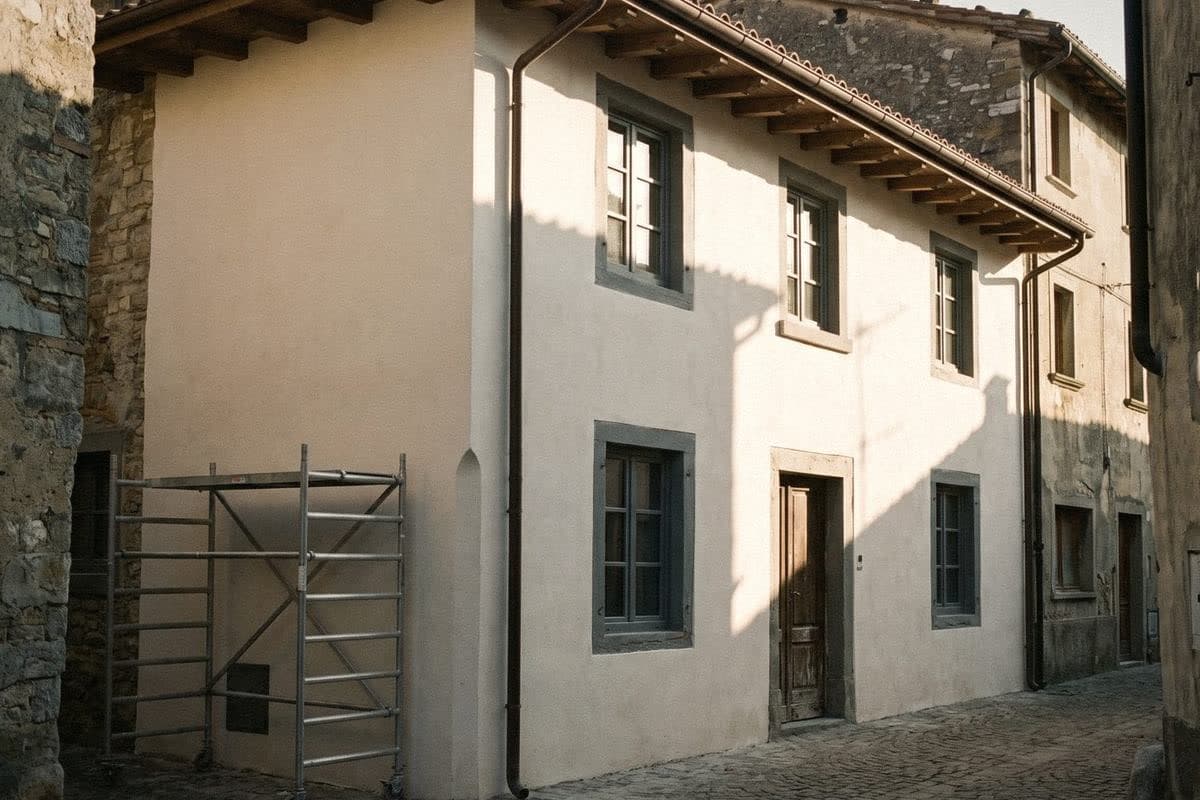
Painting an old house yourself, or hiring painters
For a single-storey house with low walls, you can do it yourself if you have several days and don't mind the hard work of preparing the surface. For houses of two storeys or more, working at height on ladders and scaffolding is about safety first, savings second.
As a rough market guide, painting labour runs at about ฿50–180 per sq m, depending on the condition of the walls, the height and the size of the job. The labour rate per square metre normally already includes priming, so you shouldn't pay for it separately on top. Exterior work that needs scaffolding may carry a scaffolding charge starting at around ฿10,000. These figures vary by area and contractor, so get at least three quotes.
When you talk to painters, be as clear as you can about surface preparation, because that is the part cheap quotes tend to quietly leave out.
- Will you pressure-wash the walls, and how many days will you wait for them to dry?
- Does it include fungicide treatment, scraping old paint and filling cracks?
- Which primer will you use, and how many coats?
- How many topcoats, which paint, and can I see the tins before they are opened?
- Does it include scaffolding, clean-up and a guarantee on the work?
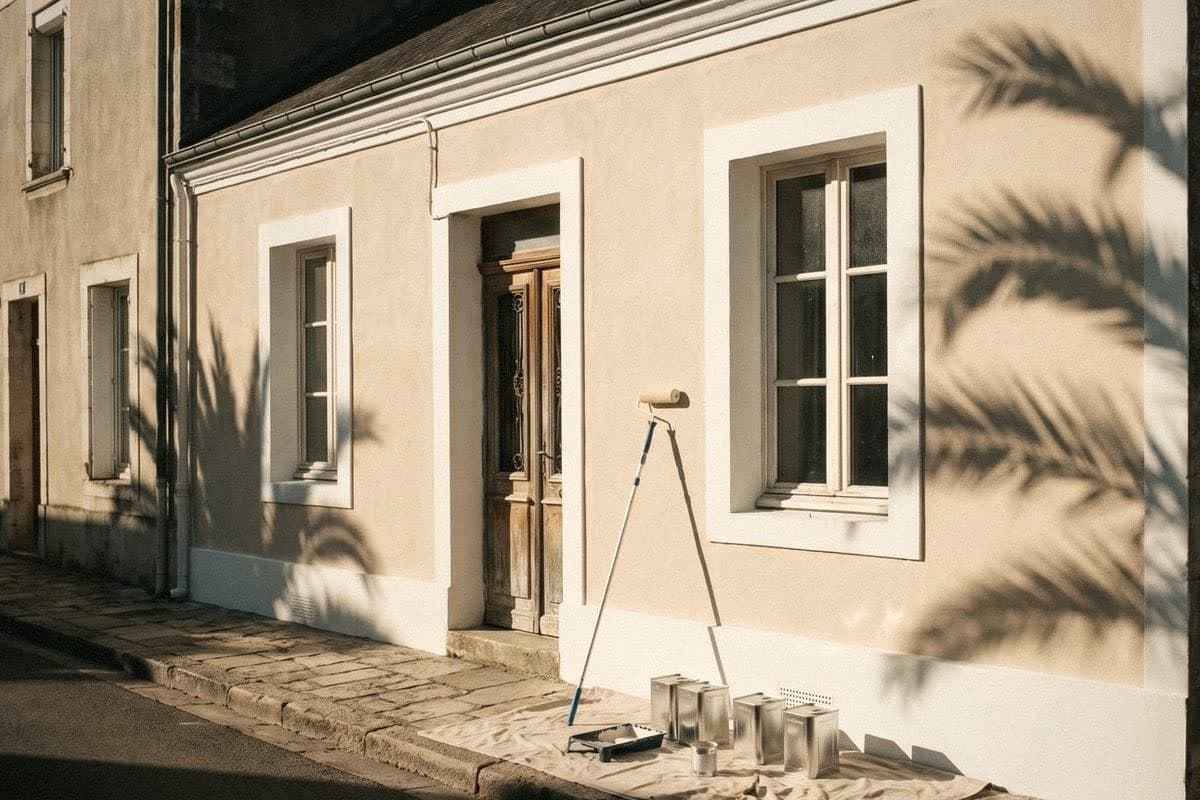
“Whether a good paint job lasts two years or ten is decided on the day you wash the walls.”
Frequently asked questions
Do I need primer when painting a house exterior?
You should use it, especially on old concrete houses with chalky surfaces, walls with repaired cracks, or walls where old paint has been scraped off. Old-concrete primer binds the surface and helps the topcoat grip evenly. The standard system is one coat of primer and two topcoats.
When is the best time to paint a house exterior?
When there is little rain and the air is dry. For many regions that is from the end of the rains through the cool season to the start of the hot season. The walls must be completely dry, with no rain in the forecast for at least several hours after painting.
How many days after washing the walls can I paint?
Generally at least one to two sunny days. Thick walls or walls that have been damp may need longer. The wall must be dry all the way through, not just on the surface.
Can I paint an old house over the existing paint?
Yes, if the existing paint is still firmly bonded, washed clean and not chalky. But flaking, blistered or peeling areas must be scraped off first, and most old concrete houses benefit from one coat of old-concrete primer.
How much does labour cost to paint a house exterior?
As a rough market guide, about ฿50–180 per sq m, depending on the condition of the walls, the height and the size of the job, usually including primer. Scaffolding may be charged separately, starting at around ฿10,000. Compare at least three quotes.

Colour on a screen never matches colour on a wall
Order a sample to paint at home, or come and see the full shade library at Voqe Studio, Bang Phli.
Order paint with a painter to apply itRead next
What colour should I paint my house exterior? A step-by-step way to choose, without guessing
You don't choose an exterior colour from a colour chart. You choose it from the roof, the sun, the rain and the house next door. Work through these six steps, then open the paint.
Read article
Primer for old plaster vs primer for new plaster: how they differ and which to choose
Primer is your wall's make-up base. You can skip it, but the paint on top won't last. Find out whether your walls are old or new concrete, then choose the right one.
Read article
Painting cost per square metre in 2026: what painters charge, and how to compare quotes without being overcharged
Painting labour isn't expensive or cheap because of the painter. It's because of the wall. Know what pushes the price up and you'll be able to read every line of a quote.
Read article