


Mouldy walls: what causes them, how to clean them, and how to stop the mould coming back
Mould on a wall isn't a paint problem. It's a water problem. You can wipe it off in a day, but if you don't find the water, it'll be back to say hello every rainy season.
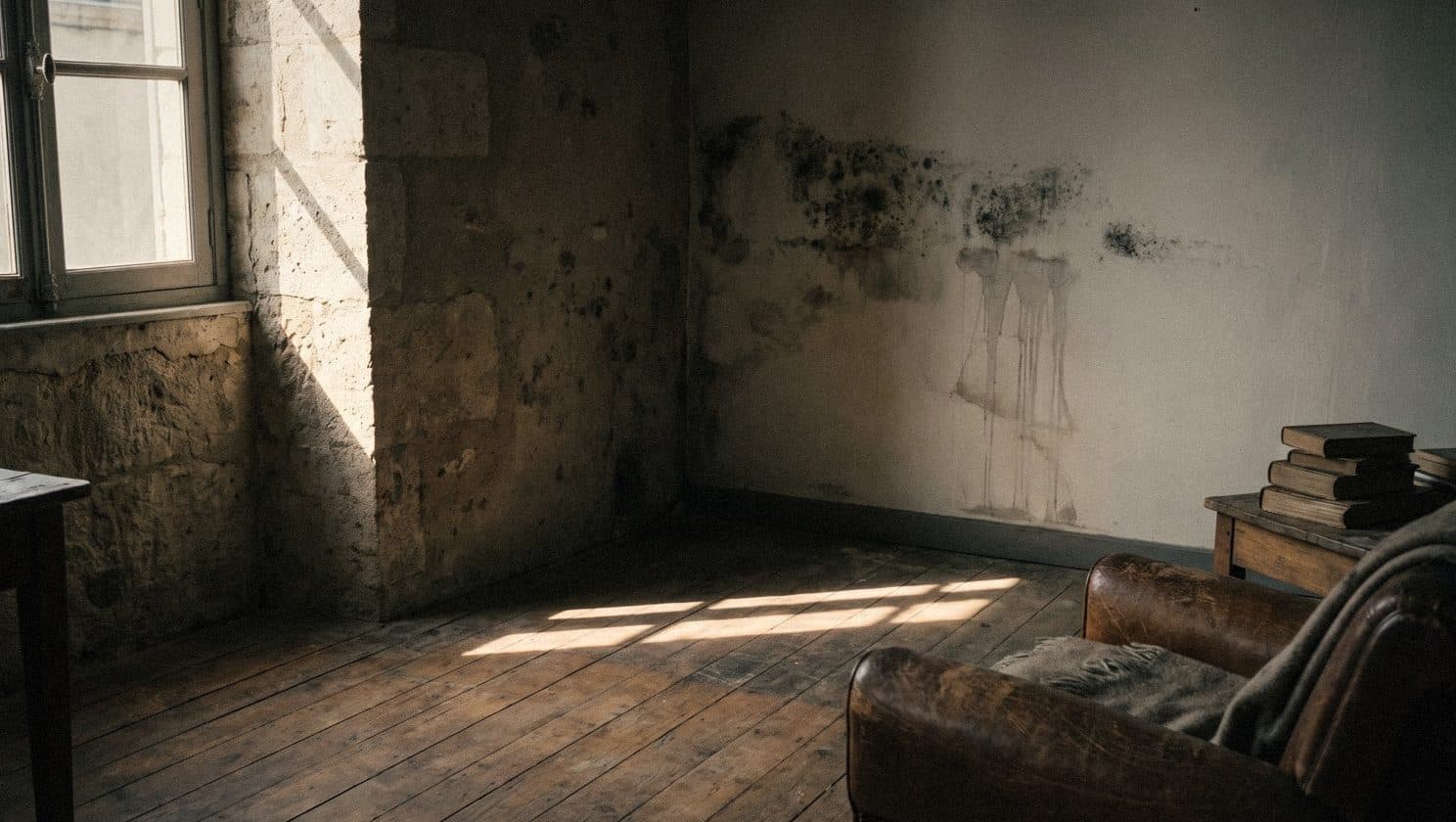
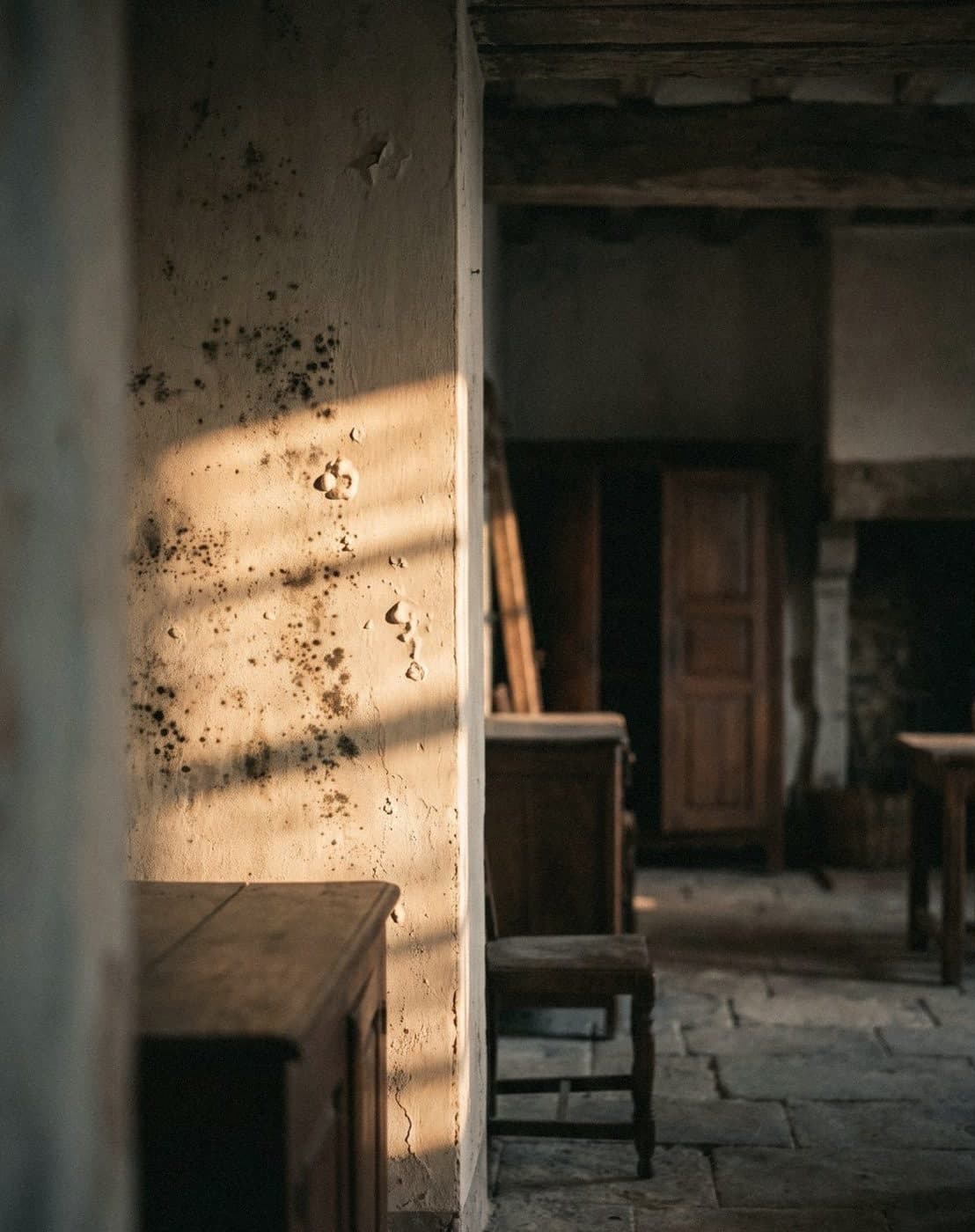

Mould on walls is caused by moisture trapped in or on the wall, such as a leaking roof or pipe, damp rising from the ground, steam from a bathroom, or poor airflow. To fix it, find and fix the source of the damp first. Then clean off the mould with a mould remover, let the wall dry completely, prime it, and only then repaint.
What causes mould on walls?
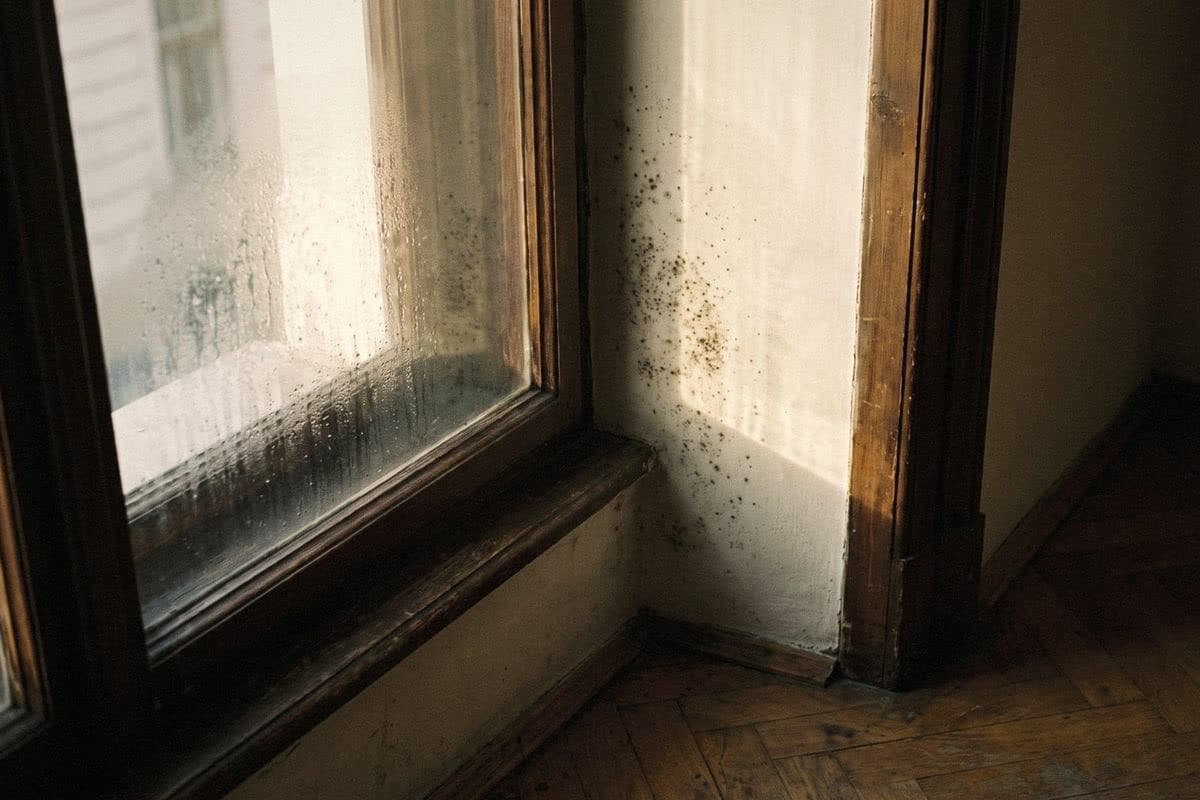
Mould needs three things: moisture, food and time. There's already food in the dust and materials on a wall, and time is plentiful. The only thing you can really control is moisture. Thailand is humid almost all year, so a wall that takes on just a little more water very easily becomes a home for mould.
Where the mould is tells you fairly reliably what's causing it. Mould in the top corner by the ceiling usually comes from a leaking roof or gutter. Mould in a low band along the bottom of a wall usually comes from damp rising from the ground. A patch in the middle of a wall may come from a pipe running inside it. Mould behind a wardrobe or a bed usually comes from air that doesn't circulate.
- Top corner by the ceiling: a leaking roof, gutter or upstairs window ledge
- A band along the base of the wall: damp rising from the ground
- A patch in the middle of the wall: a leaking water pipe in the wall
- Behind wardrobes and beds, closed-off corners: air that doesn't circulate
- Bathrooms and walls next to them: steam and failing waterproofing
Fix the cause first. Painting over it won't solve it
The most common mistake is to see mould and rush to paint over it. The wall looks good for a few weeks, then the old stain seeps back through. It's like laying a new tablecloth over a sauce stain that's still wet.
Fix the water first. Repair the leaking roof, gutter or pipe. Seal outside cracks where rain gets in. If it's damp from the ground, look at the drainage around the house and any soil that sits higher than the floor inside. Indoors, improve ventilation, move wardrobes slightly away from the wall, and run the bathroom extractor fan after showering.
Once the cause is fixed, give the wall time to dry out properly. A plaster wall that has been soaking up water for a long time may take longer than you think. Paint it while it's still damp inside and the paint will blister anyway.

How to clean mould off walls safely
For surface mould over a small area, homeowners can do it themselves. Wear rubber gloves, a mask and eye protection, and open the windows to let air through. Use a mould remover made for walls, or bleach diluted with water as the label directs. Wipe or scrub gently with a soft brush, leave the product to work for the time the label recommends, then rinse with clean water.
The most important thing is never to mix bleach with anything containing ammonia or with acidic bathroom cleaners, because they produce a dangerous gas. And don't scrub dry mould hard, because the spores will spread through the room.
If the old paint has blistered or is flaking where the mould was, scrape off the loose parts after cleaning, then let the wall dry completely before the next step.
- Wear gloves, a mask and eye protection, and open the windows
- Use a mould remover as the label directs
- Never mix bleach with ammonia or acids
- Scrub gently, and don't scrub dry mould so it spreads
- Rinse with clean water, then let it dry completely

Repainting after mould: follow this order
Once the cause is fixed, the mould is cleaned off and the wall is completely dry, it's time to make the wall look good. A wall that has had mould counts as an old plaster wall. It needs to be clean, free of dust and grease, with no flaking paint, then given 1 coat of primer for old plaster before 2 coats of the paint itself.
Primer helps the paint bond well and come out even, without patchiness where repairs were made. If you're using Voqe paint, the system is: clean off the mould with a mould remover, rinse, let it dry, apply Voqe Primer old concrete, then apply the top coat.
In rooms at risk of damp, such as bathrooms or rooms with the air conditioning closed up all day, consider a paint with a slight sheen, because a smoother surface wipes clean more easily than a completely matt one.
- 1. Fix the source of the damp
- 2. Clean off the mould, rinse, and let it dry completely
- 3. Scrape off flaking paint and clean off the dust
- 4. Apply 1 coat of primer for old plaster
- 5. Apply 2 coats of paint

When to call a builder or specialist
Small spots of surface mould are something homeowners can deal with themselves. But in some situations you should have a professional look, because the cause may be hidden somewhere you can't see, or the damage may have gone deeper than the surface of the wall.
If there are elderly people, young children or anyone with breathing problems in the house, take extra care, and consider having someone else or a builder do the cleaning instead.
- Mould has spread over a wide area, or comes back after cleaning
- There's a clear musty smell but you can't find where it's coming from
- The wall or ceiling is swelling, sagging or changing shape
- You suspect a leaking pipe in the wall or a leaking roof
- Mould is growing in air-conditioning ducts or the ventilation system

“Painting over mould is like spraying perfume over a musty smell. It smells nice for a moment.”
Frequently asked questions
What causes mould on walls?
Moisture trapped in or on the wall, such as a leaking roof or pipe, damp rising from the ground, steam from a bathroom, and poor airflow, especially behind wardrobes or in closed-off corners.
What should I clean wall mould with?
Use a mould remover made for walls, or bleach diluted with water as the label directs. Wear gloves and a mask, open the windows, and never mix bleach with ammonia or acidic cleaners.
Can I paint over mould?
You shouldn't. Fix the source of the damp first, clean off the mould, let the wall dry completely, apply primer for old plaster, and only then repaint. Otherwise the stains will come back.
How do I fix mould at the base of a wall?
Mould at the base of a wall usually comes from damp rising from the ground. Look at the drainage around the house and the ground level outside. If it covers a wide area or keeps coming back, have a builder or waterproofing specialist assess it.
How do I stop mould coming back?
Control the damp: repair leaks, improve ventilation, move wardrobes slightly away from the wall, run the bathroom extractor fan, and wipe down walls as soon as stains start to appear.

Colour on a screen never matches colour on a wall
Order a sample to paint at home, or come and see the full shade library at Voqe Studio, Bang Phli.
Send the team a photo of your wall to take a lookRead next

Primer for old plaster vs primer for new plaster: how they differ and which to choose
Primer is your wall's make-up base. You can skip it, but the paint on top won't last. Find out whether your walls are old or new concrete, then choose the right one.
Read article
Best bathroom colours: choosing colour and finish that survive Thai humidity
Thai bathrooms are damp all year. A pretty colour isn't enough on its own; you need the right finish too. And you can change the look without breaking a single tile.
Read article
How to care for Mineral Finish walls: which sealer, how to clean, how to repair marks
A Mineral Finish wall is beautiful because it's made by hand, and it needs the right care. Here's which sealer to use, how to clean it, and how to repair marks so they blend in.
Read article