


What home decor styles are there? 12 popular styles, all on one page
Minimal, Nordic, Muji, loft: they sound alike but they are not the same. Here are 12 interior styles on one page, with the materials and wall colours that suit each.

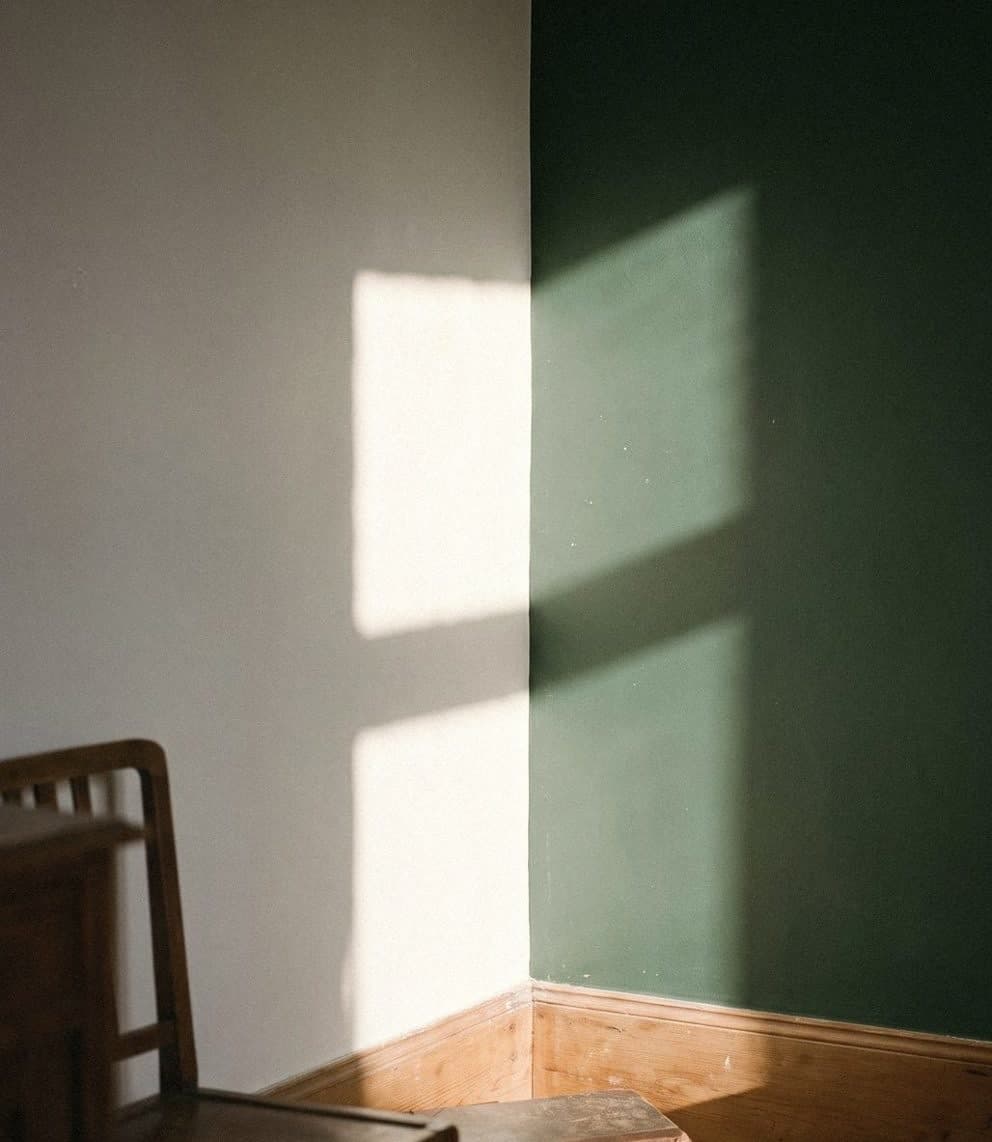

The 12 main interior styles popular in Thailand are minimal, Nordic (Scandinavian), Japandi, Muji, wabi-sabi, loft or industrial, modern, mid-century modern, European or French, English, Mediterranean and tropical modern. Each differs in its main materials, furniture shapes and wall colours. The easiest way to choose is to ask how you want your home to feel, then adapt the style to your way of life and Thailand's hot, humid climate.
What interior styles are there, and how to choose without getting lost
Every time you look for home ideas, style names pop up all over the screen: minimal, Nordic, Japandi, Muji, loft. It is like a café menu where every cup looks much the same but none of them taste alike.
An interior style is a set of decisions that all point the same way: materials, furniture shapes, light and wall colour. When those four speak the same language, the house looks intentional, even if nothing in it is expensive.
Before you work through all 12 styles, answer these three questions for yourself. It will make choosing much easier.
- How do you want your home to feel: calm, warm, raw or luxurious?
- Do you like owning few things, or collecting things with a story?
- How much sun and breeze does your home get? Some styles were born in cold countries and need adapting before they work in Thailand.
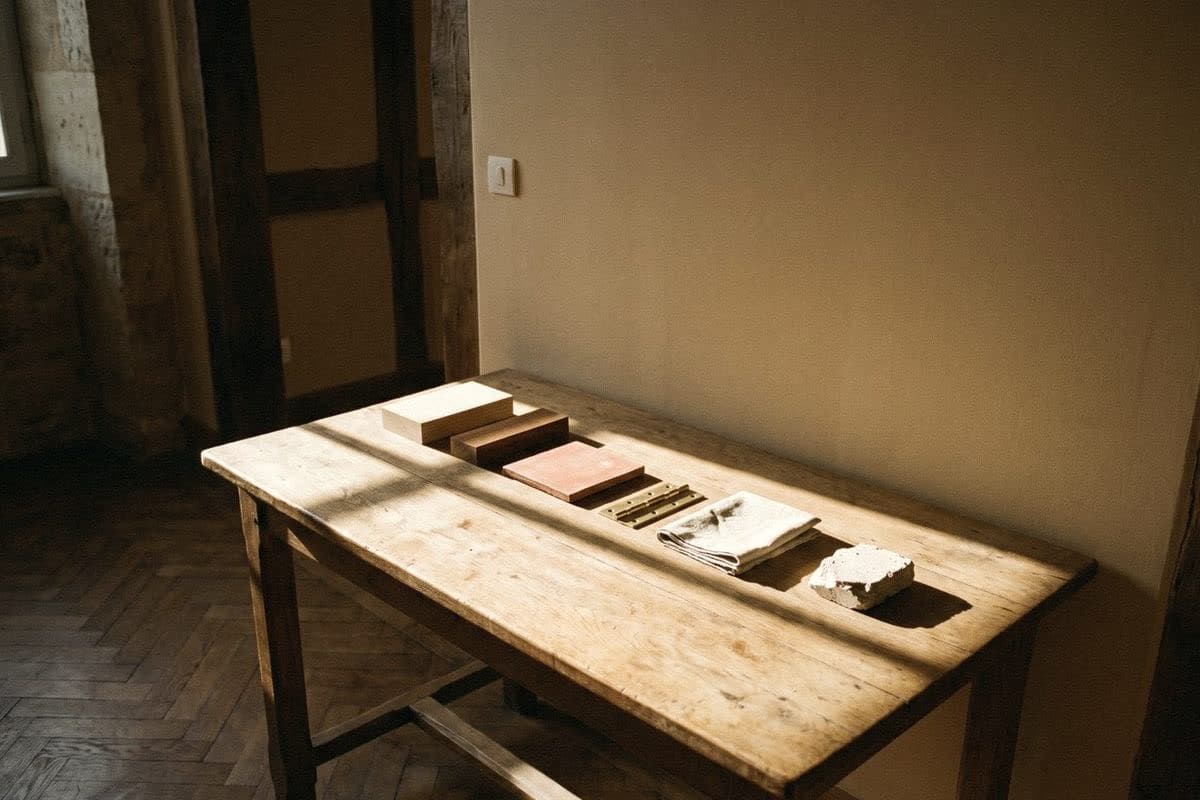
The pared-back group: minimal, Muji, Japandi and wabi-sabi
These four styles are often lumped together as simple homes, but look closely and you'll see that each one's simplicity comes from a different place.
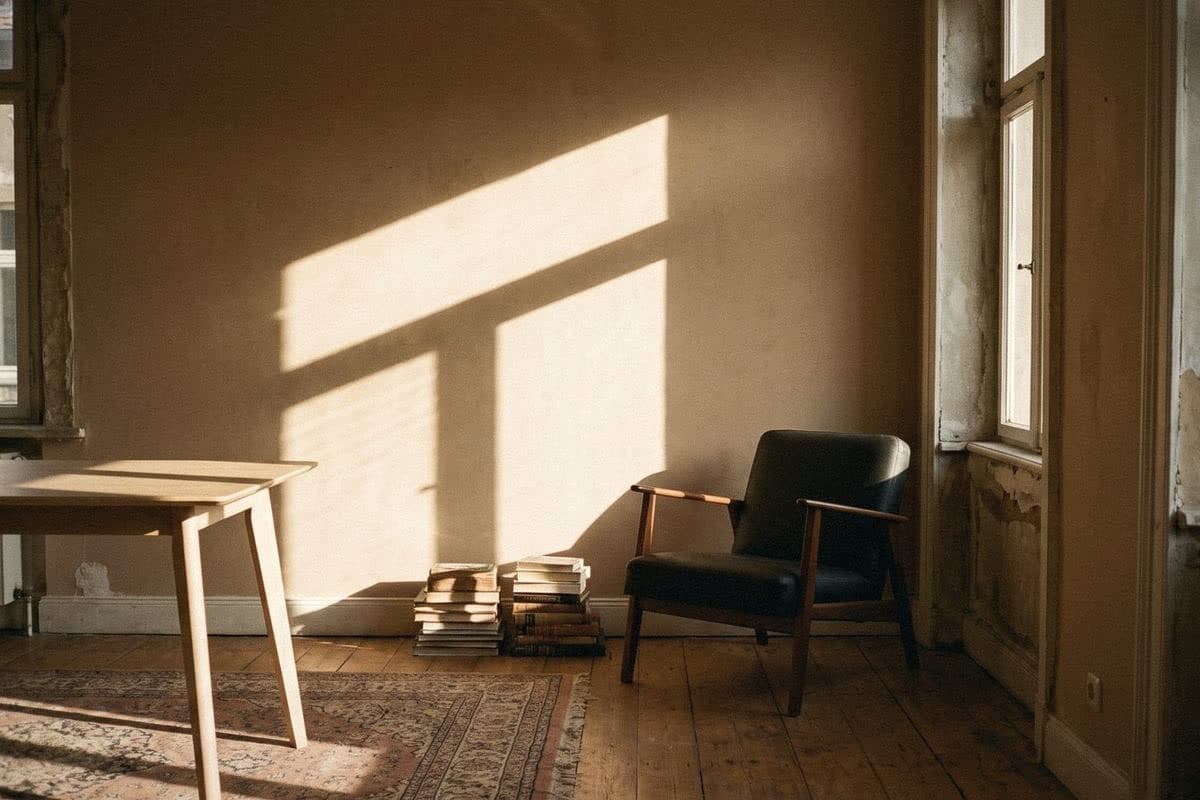
- Minimal: few things, straight lines, smooth surfaces, and every piece has a job. The main materials are smooth plaster, light wood and slim metal. Popular wall colours are white, off-white and light grey.
- Muji style: named after the Japanese brand that sells simple, logo-free everyday goods. It favours light wood, cotton and linen, and well-organised storage. Wall colours are soft white or pale cream.
- Japandi: Japanese mixed with Scandinavian, combining Japanese calm with Nordic warmth. Mid to dark wood, low furniture, natural fabrics. Wall colours are beige, sand and warm grey.
- Wabi-sabi: a Japanese idea that finds beauty in imperfection. It loves hand-thrown ceramics, old wood and uneven plastered walls. Wall colours are earth, rice and sand tones.

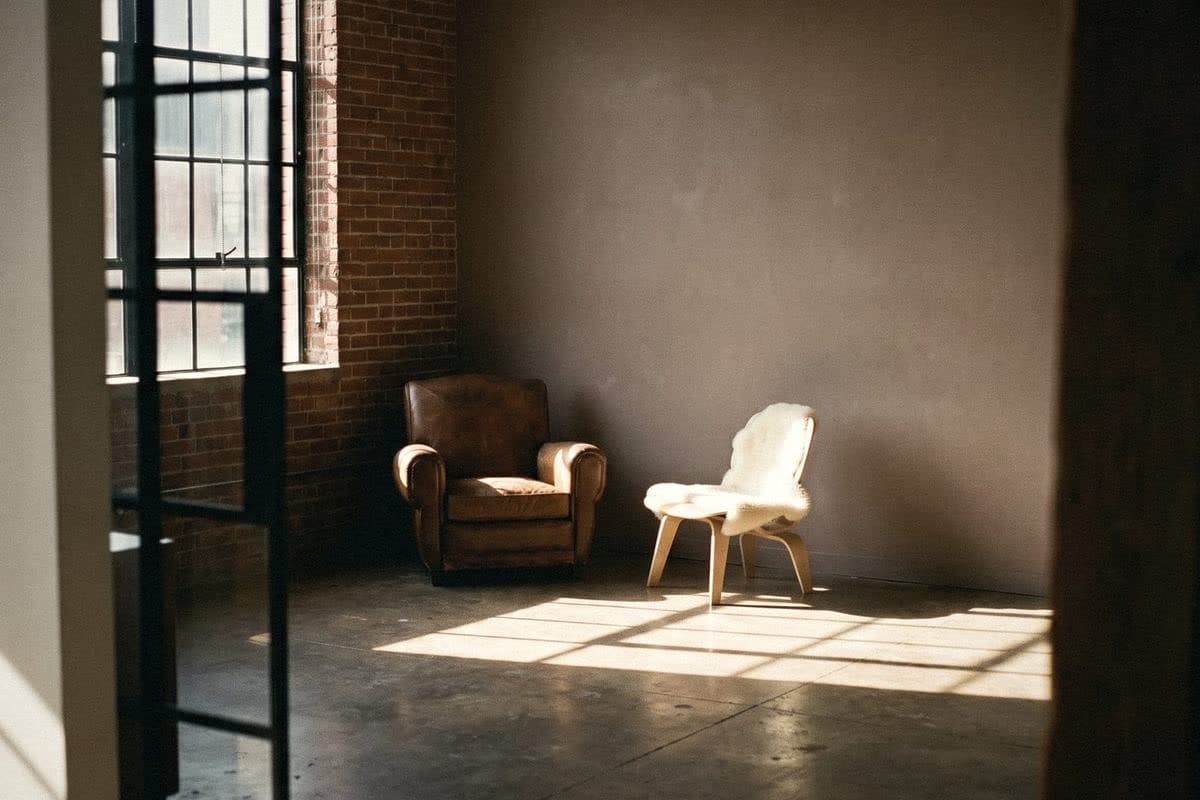
Cold-climate and raw: Nordic and loft
These two styles were born in different places, but Thais love them equally, and both need adapting equally before they meet the Thai sun.
- Nordic or Scandinavian: from northern Europe, where winters are long and light is scarce, so it favours white walls that reflect light, light woods such as pine and birch, and soft throws. The exterior Thais know is the tall, steep-gabled house. Wall colours are white, grey or black.
- Loft or industrial: inspired by old warehouses and factories converted into homes. It shows off bare concrete, brick, steel, pipes and bare bulbs. Wall colours are cement grey, dark grey, brick, and deep green or blue.
The modern group: modern and mid-century modern
The names are so similar they are often confused, but they look clearly different. One is cool and plain; the other is warm and playful.
- Modern: rooted in the modern architecture of the early 20th century, which held that form should follow function. In Thailand it usually means a box-shaped house with a flat or mono-pitch roof, large windows, and contrasting white, grey and black walls.
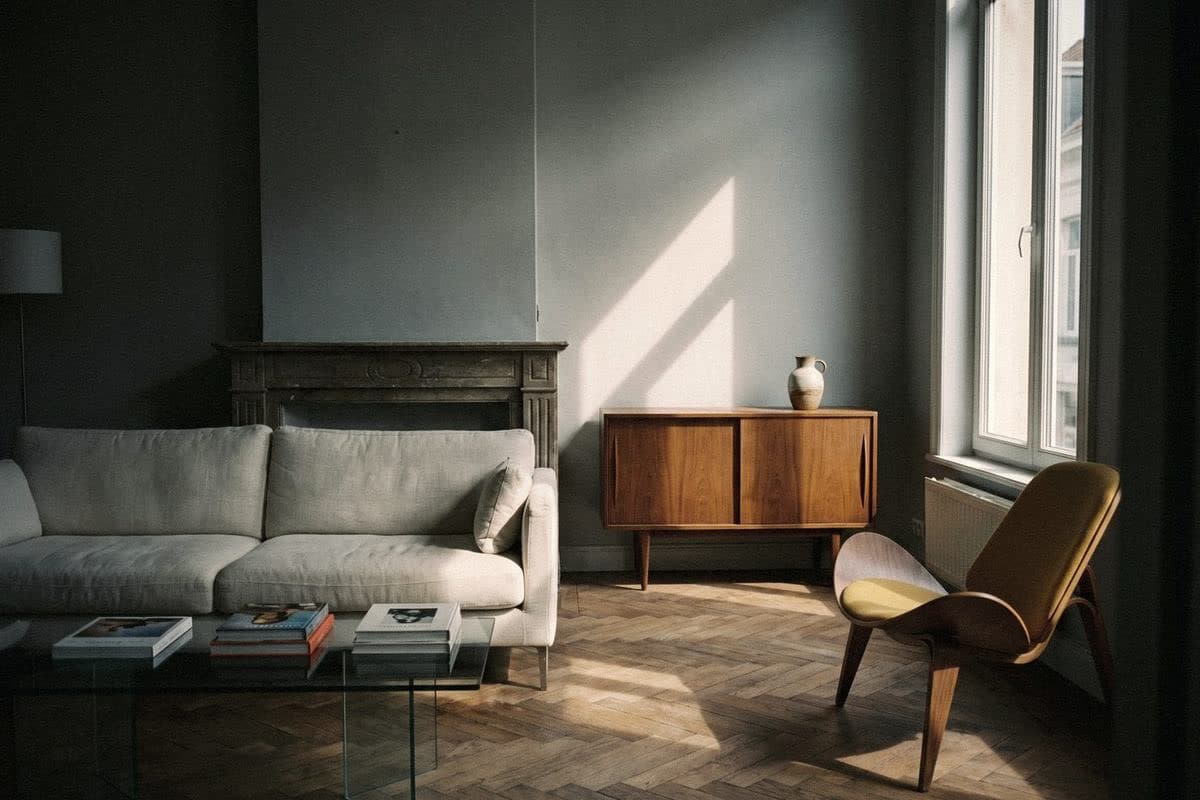
- Mid-century modern: design from roughly 1945 to 1970. Furniture on slender legs, walnut and teak, rounded shapes, and accent colours such as mustard, olive green, burnt orange and teal against warm-toned walls.
Classic and sun-loving: European, English, Mediterranean and tropical
The last group has both European classics and styles born for hot weather. Those last two are the easiest for Thais to borrow.
- European or French: walls with mouldings and panels, herringbone wood floors, high ceilings and double glass doors. Think of a Paris apartment. Wall colours are creamy white, light grey and matt limewashed walls.
- English: from the warm, layered country cottage to the elegant city townhouse. Floral fabrics, dark wood and wood panelling. Wall colours are deep green, warm white and stone tones.
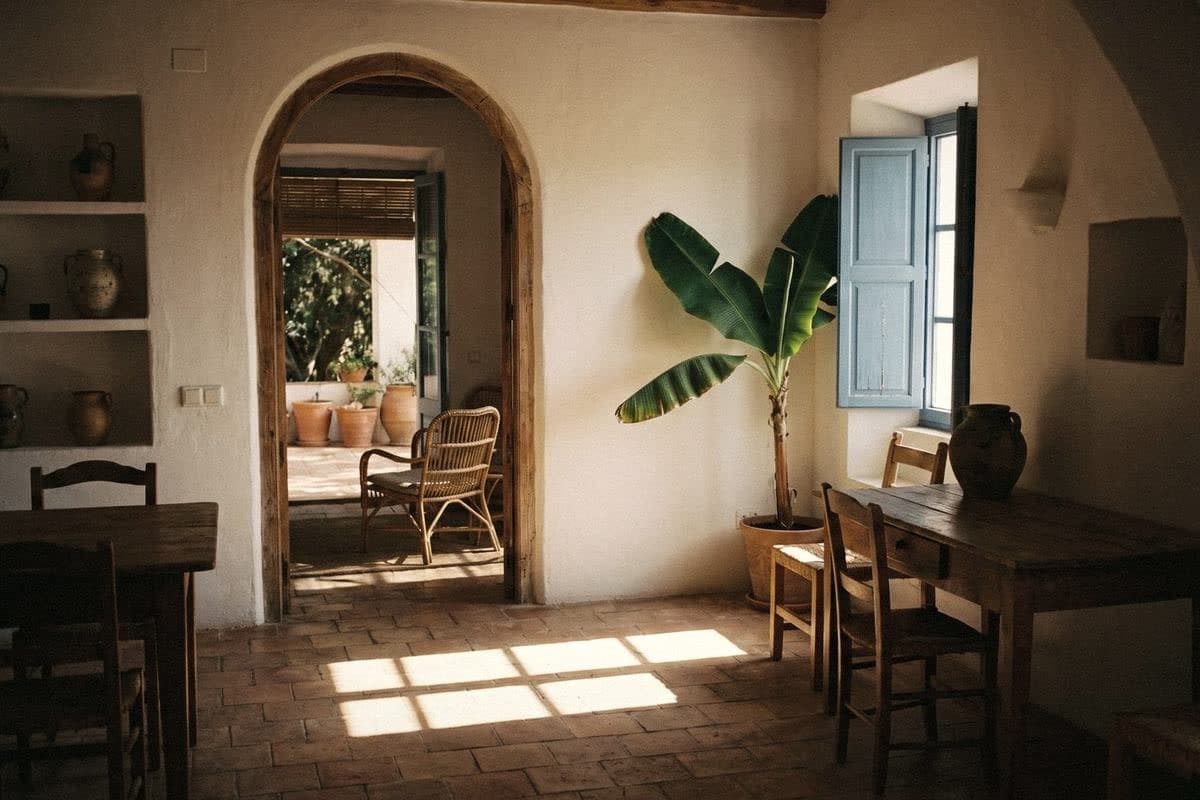
- Mediterranean: taken from the seaside homes of Greece, Spain and southern Italy. White limewashed walls, arches, terracotta tiles and sea blue. It was born in hot weather, so it suits Thailand more easily than you might think.
- Tropical modern: a modern house designed for hot, humid weather. Deep overhanging eaves, sunshade slats, ventilation openings, big trees, natural wood and stone. Wall colours are warm white, beige, leaf green and earth tones.
How to mix styles successfully, and the most common mistakes
Hardly any real home is purely one style, and it doesn't need to be. The formula that works is to choose one main style, then borrow details from another as a side flavour. It is like khao man gai (chicken rice) with a bowl of winter melon soup on the side, not doused in pla ra (fermented fish sauce).
Wall colour is the best thing to tie it all together, because it covers the most area in a room. If you still aren't sure which style is yours, try the Voqe shade quiz, then paint samples on a real wall and look at them in both morning and evening light before you decide.
- Buying things one at a time from photos until the house becomes a showroom of several styles under one roof
- Copying a cold-climate house wholesale, with no eaves and no ventilation
- Using the same white in every room, even though each room gets different light
- Forgetting the habits of the people who live there: a collector in a minimal house will struggle every day
“A style isn't a rule. It is the language your home uses to talk to you.”
Frequently asked questions
What interior design styles are there?
The styles popular in Thailand are minimal, Nordic, Japandi, Muji, wabi-sabi, loft or industrial, modern, mid-century modern, European or French, English, Mediterranean and tropical modern. Each differs in materials, furniture shapes and wall colours.
What is the difference between minimal and Muji style?
Minimal is about crisp simplicity, smooth surfaces and as few things as possible. Muji is simple in a warm, relaxed way, with light wood, cotton and linen, and organised storage, and everyday things can stay on show.
What is Japandi?
Japandi is a style that blends Japanese calm and simplicity with Scandinavian warmth and practicality. It uses mid to dark wood, low furniture, natural fabrics, and beige, sand or warm grey walls.
Which interior style suits a Thai home?
Tropical modern and Mediterranean were born for hot weather, so they are the easiest to adapt. Other styles work too if you adjust the eaves, ventilation, fabrics that aren't too heavy, and wall colours that don't reflect so much light they dazzle.
Can I mix several styles in one home?
Yes, if you have one main style and keep the wall colours and main materials consistent throughout, then borrow details from other styles in some rooms.

Colour on a screen never matches colour on a wall
Order a sample to paint at home, or come and see the full shade library at Voqe Studio, Bang Phli.
Take the quiz to find your shadeRead next
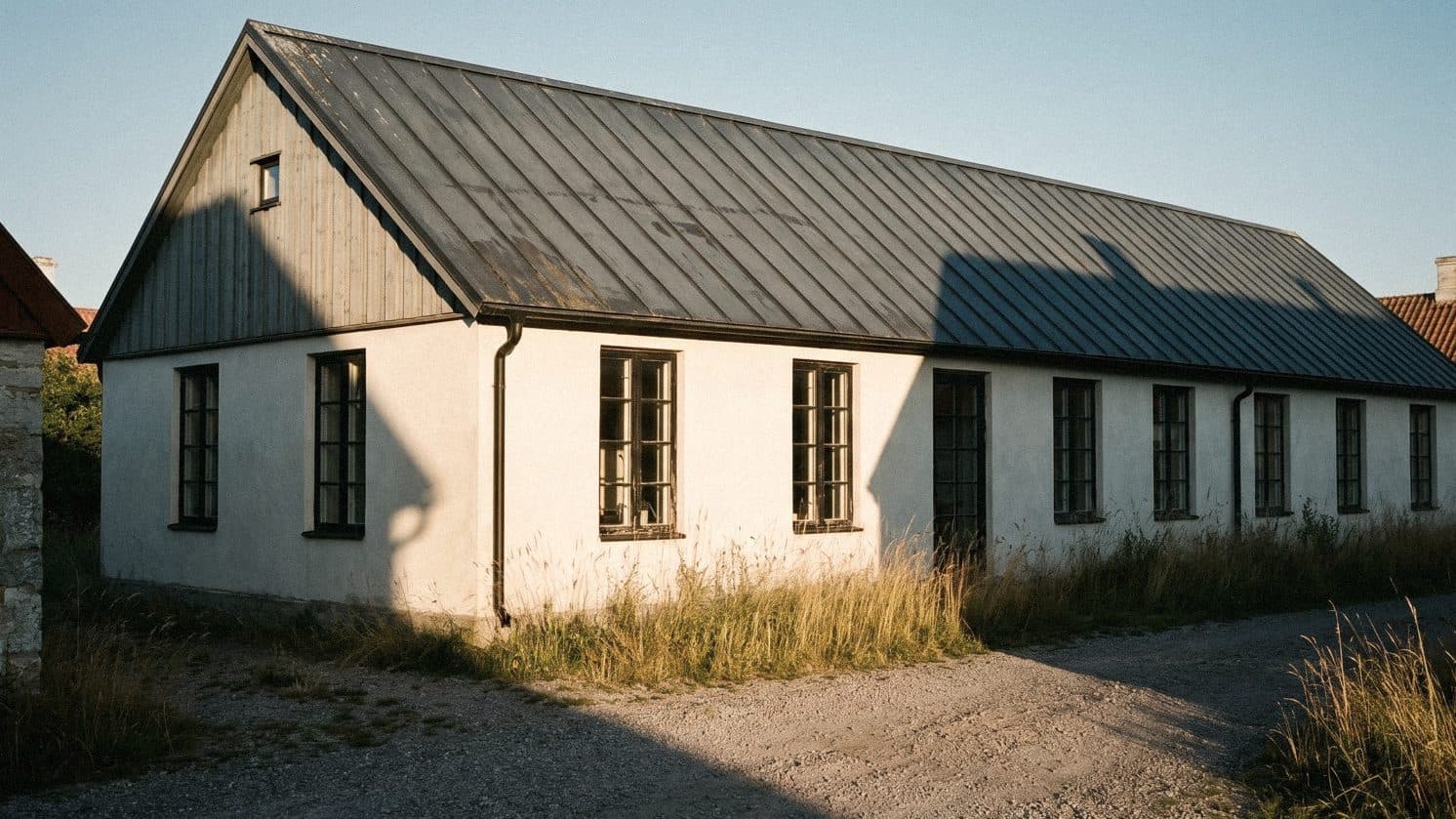
Nordic-style houses: what Nordic style is, and how to adapt it for comfortable living in Thailand
A tall gable roof, plain walls, light wood: beautiful in a cold climate. But what do you need to change to live comfortably with it in Thailand?
Read article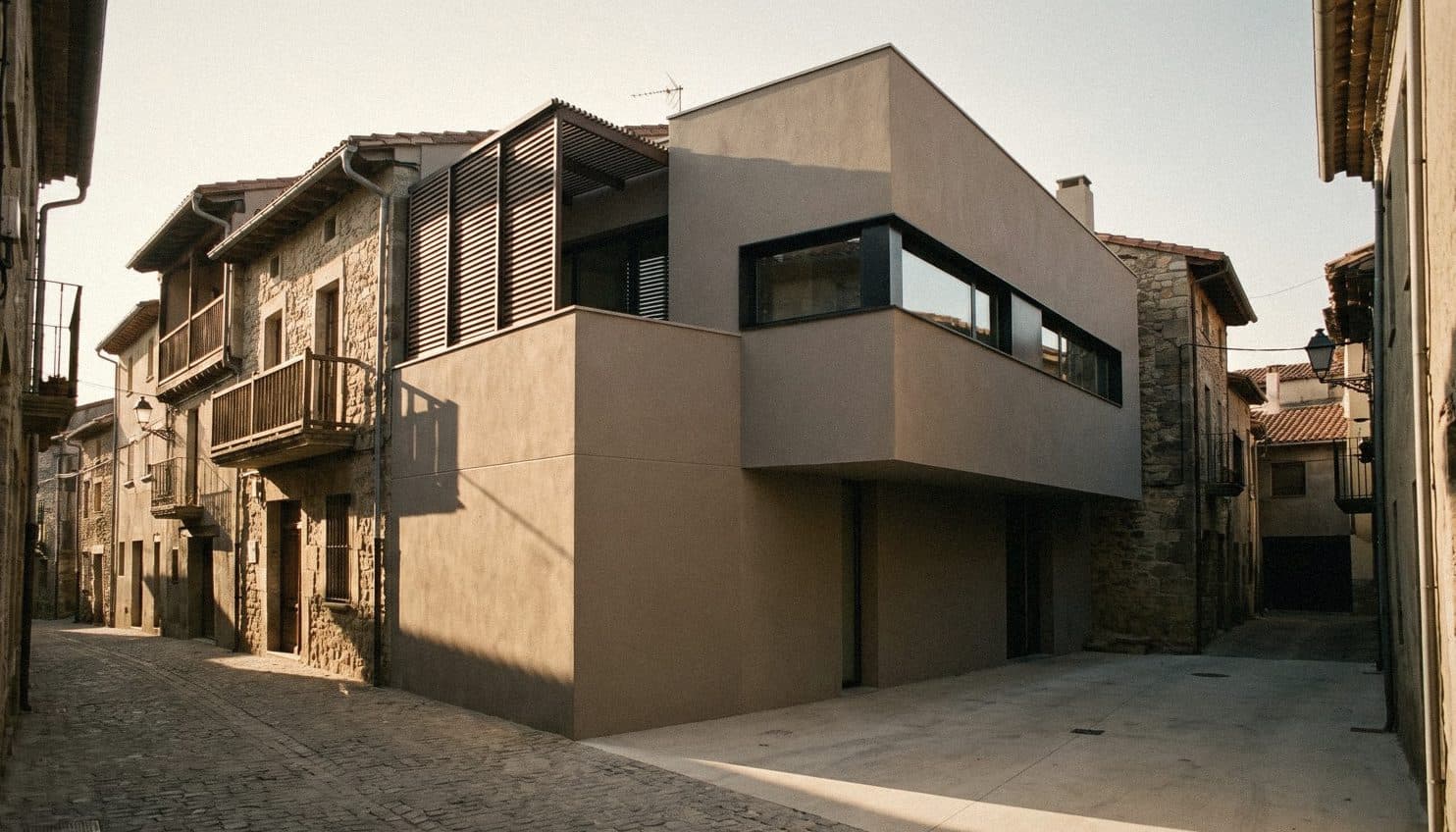
What is a modern-style house? Straight lines, box shapes, and colours that really work in Thailand
Modern doesn't mean the very latest. Find out what a modern house is, how it differs from contemporary, and which colours survive the Thai sun.
Read article
What is a minimal home? Not just white paint, but a way of living with less and living well
Paint the whole house white and it still isn't minimal, because minimalism starts with the layout and the storage, not the paint pot.
Read article