


Nordic-style houses: what Nordic style is, and how to adapt it for comfortable living in Thailand
A tall gable roof, plain walls, light wood: beautiful in a cold climate. But what do you need to change to live comfortably with it in Thailand?
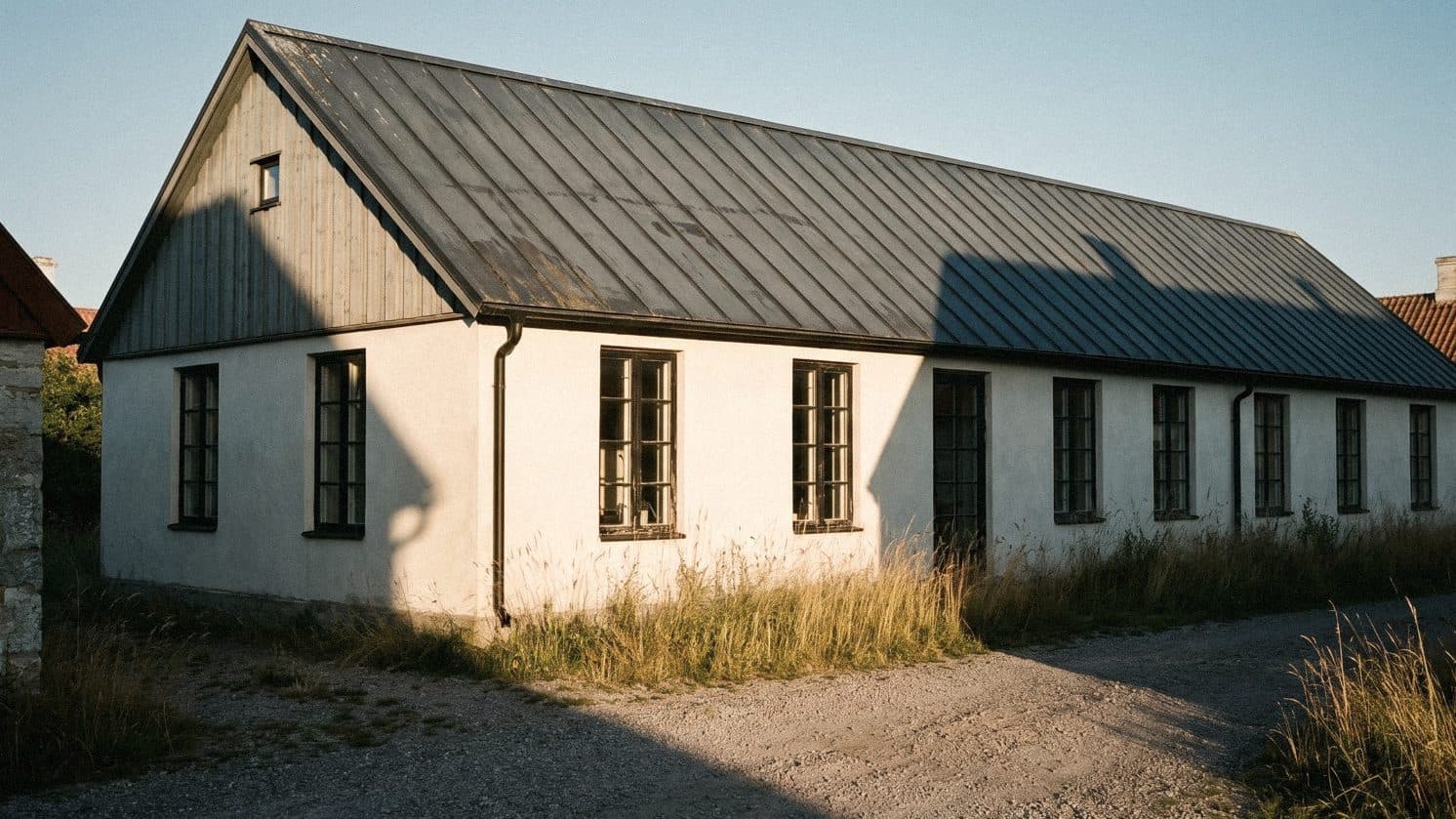
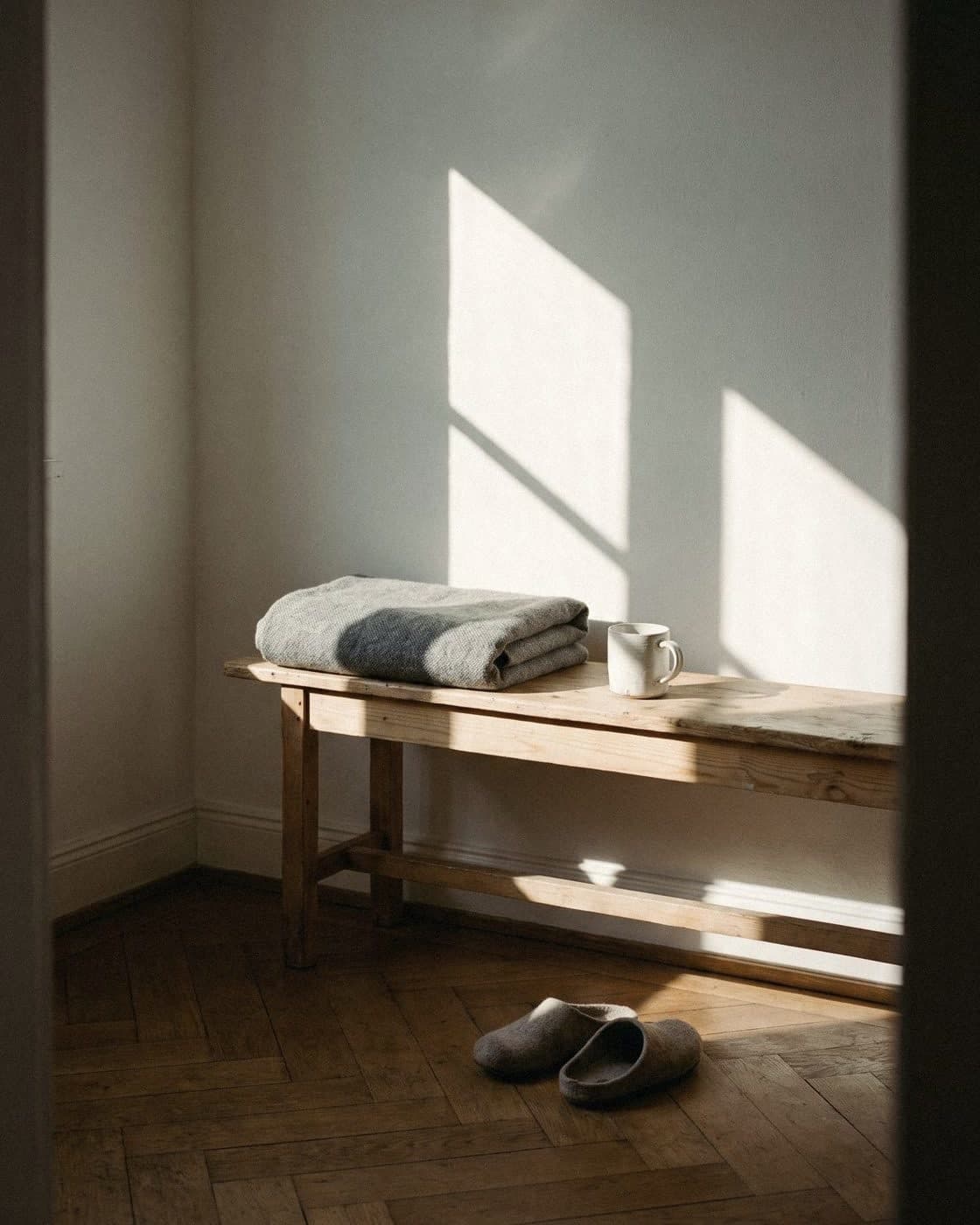
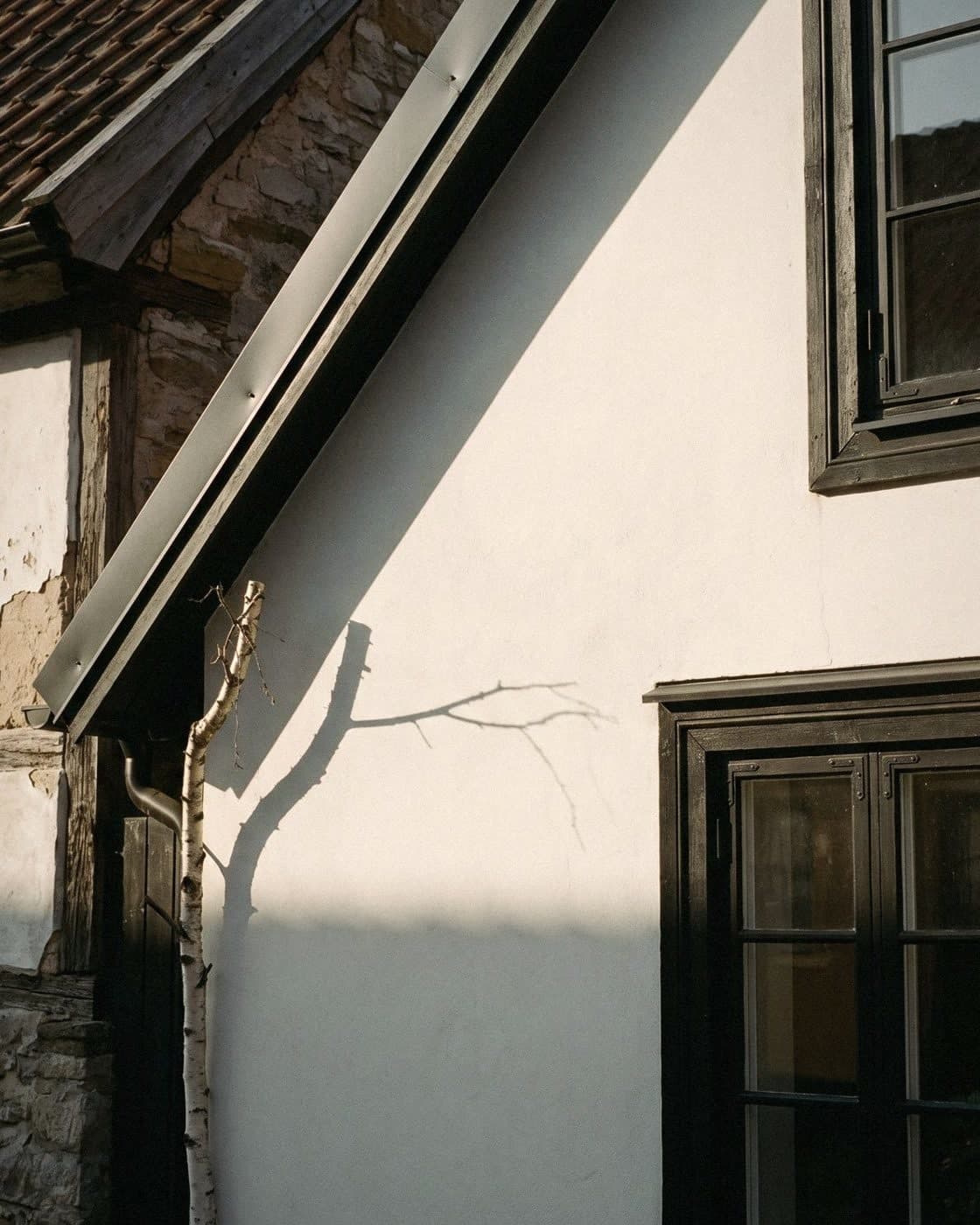
A Nordic-style house is inspired by homes in Scandinavia and northern Europe. Its signature is a tall, steep gable roof and a simple shape like a house a child would draw, with white, grey or black exterior walls. Inside, it favours light walls, light wood and the cosy warmth of hygge. To build one in Thailand, add eaves, ventilation, roof insulation and a light-coloured roof to cut the heat.
What is Nordic style, and where does it come from?
Nordic or Scandinavian style comes from the countries of northern Europe: Denmark, Norway, Sweden and Finland. Winters there are long, days are short and sunlight is precious, so houses are designed to hold on to as much light and warmth as they can.
The result is a home that looks plain and bright, uses a lot of wood and avoids unnecessary ornament. Its beauty comes from well-made things that are actually used, like a favourite plain jumper you reach for every day.
The word that usually comes with it is hygge, a Danish word for the feeling of warmth, comfort and being with the people you love: candlelight, blankets, hot drinks. It is an atmosphere more than any one piece of furniture.
What does a Nordic-style house look like?
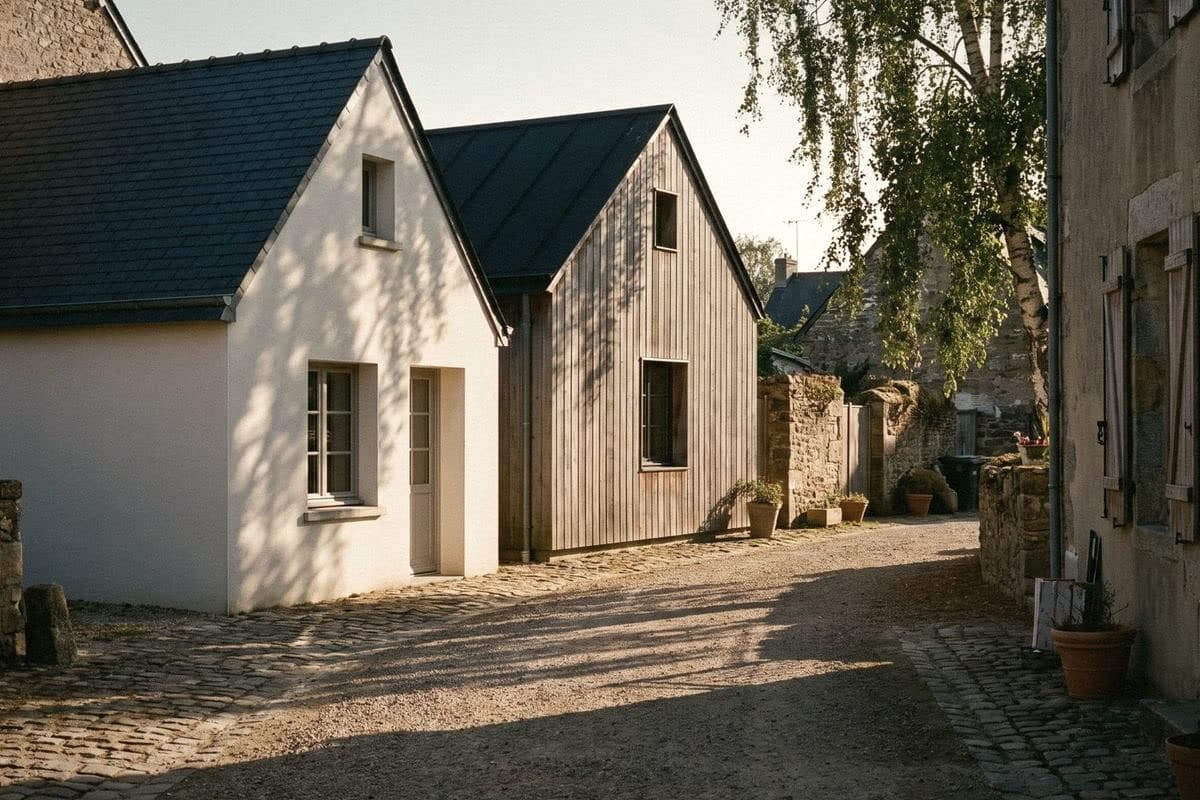
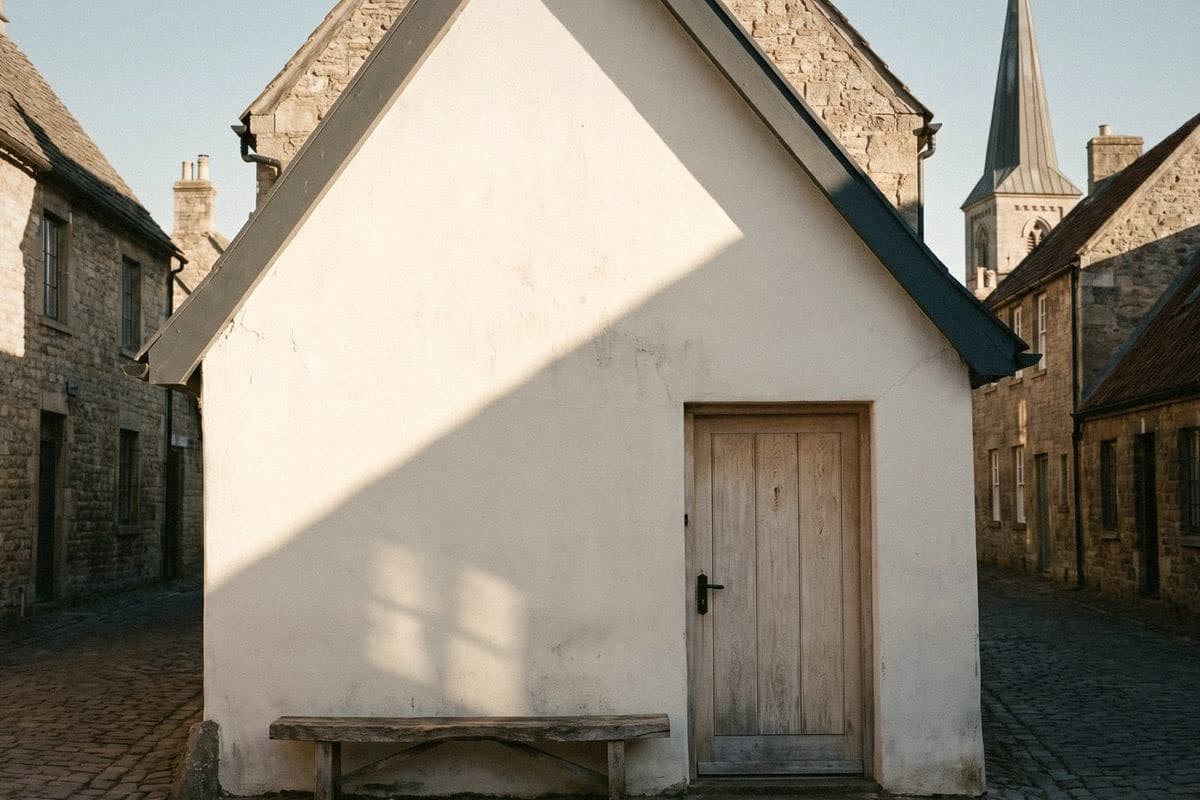
In Thailand, a Nordic-style house usually means the exterior shape: a long box with a tall, steep gable roof, plain walls and windows in a regular rhythm. Many are deliberately built with short eaves or almost none, so the roofline and walls read as one piece.
The steep roof has a real purpose in cold countries: it helps snow slide off rather than building up until it is too heavy. In Thailand a steep roof is still useful. It sheds rain quickly and creates a tall roof space that helps keep heat out, as long as it is well ventilated.
- A tall gable roof with no ornament
- Exterior walls in one colour all over, or two simple contrasting colours
- Walls of vertical timber boarding or smooth render
- Slim window frames in black or white
- The front door as the one place for colour or bare wood
Nordic house colours, outside and in
Outside, the palettes you see most are all-white with a dark grey roof, all-grey with white window frames, or all-black, which looks calm and striking. Sweden also has traditional red-brown wooden country houses in a colour known as Falu red. If you like a rural look, you can borrow that brick-red tone.
Inside, white and off-white are still the stars, because they reflect light and make rooms look larger. But a Nordic white doesn't have to be stark. A slightly grey white or a creamy white is softer on the eye. Then add muted grey, muted green or grey-blue in rooms you want to feel calm.
Something to know for Thai homes: black or dark grey walls absorb more heat than light colours. If you want a dark look, use it on walls that don't get direct sun, or on parts shaded by the eaves.
Nordic interiors: wood, textiles and light
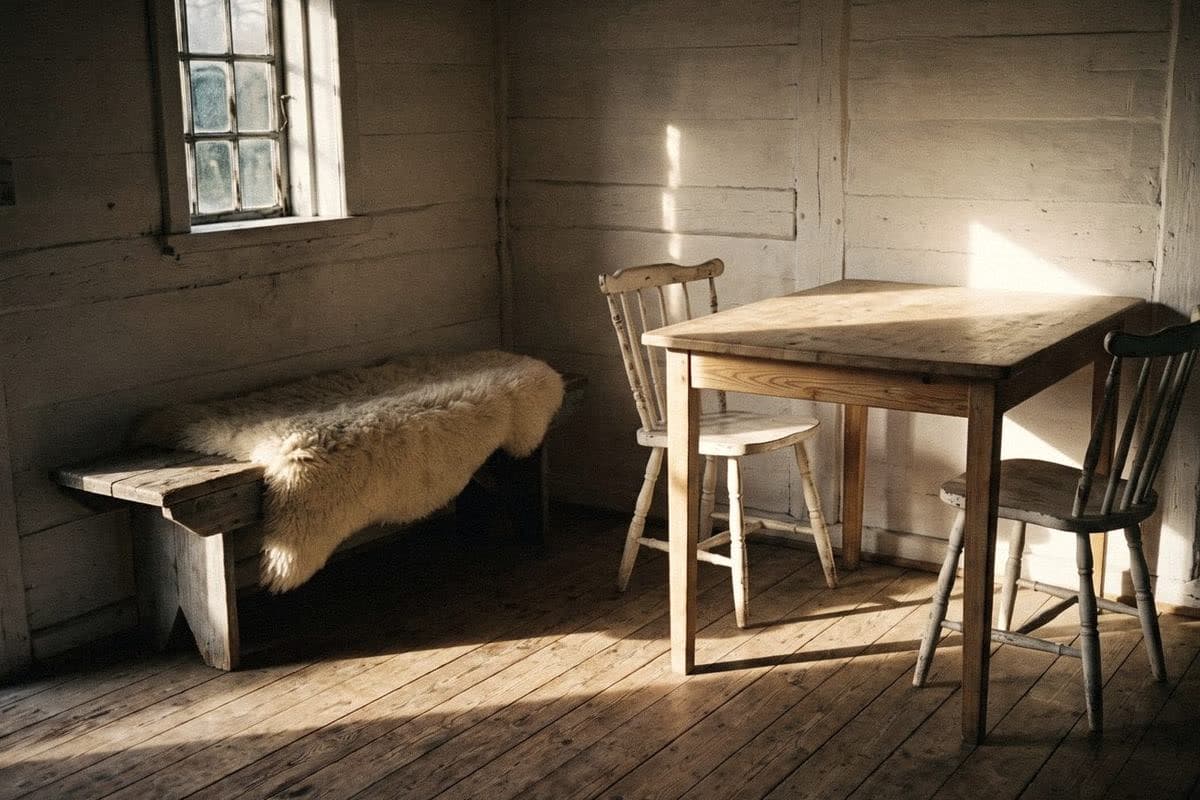
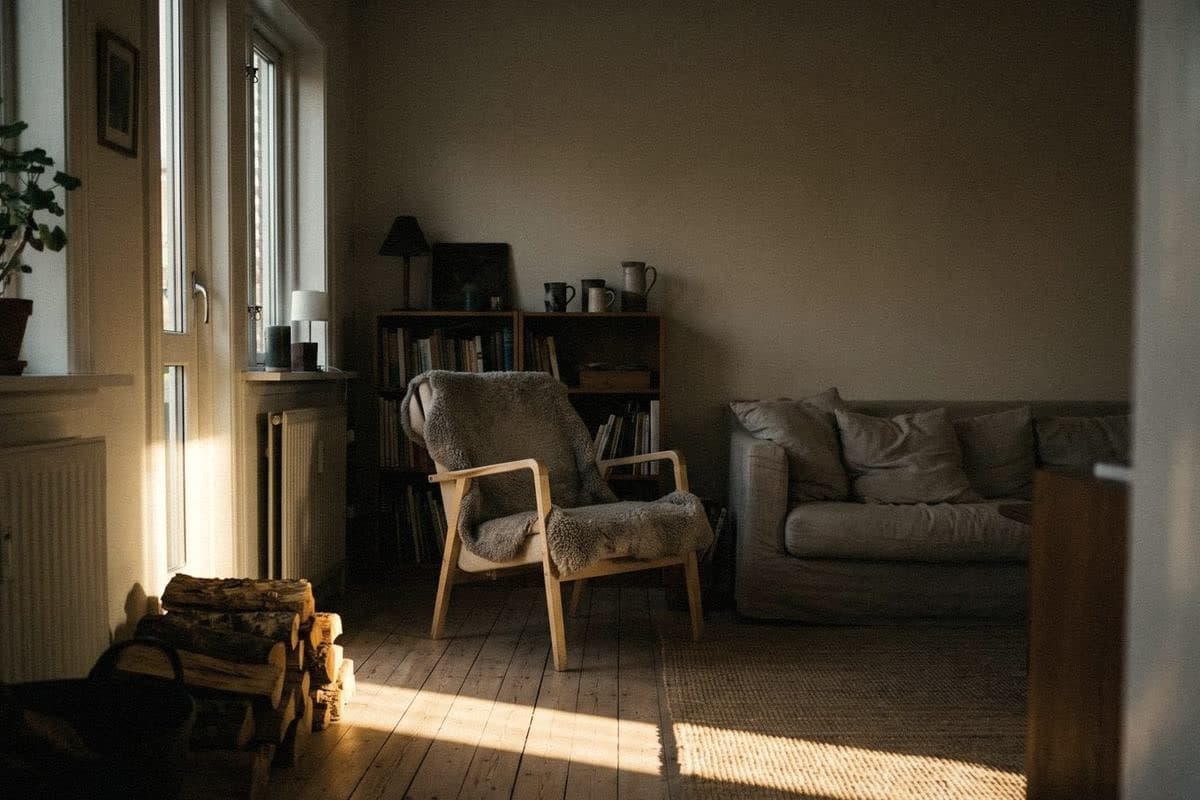
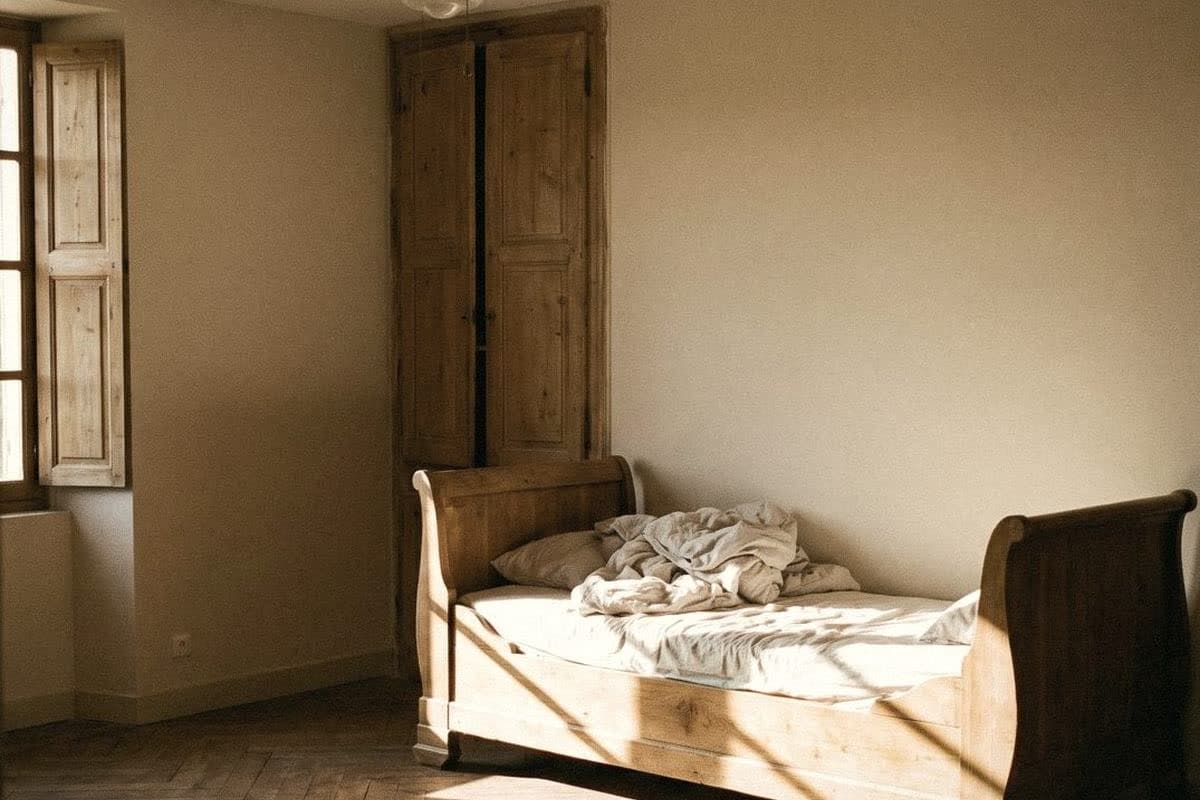
Inside, a Nordic home belongs to light woods such as pine, oak and ash, for floors, tables and chairs. Furniture is simple in shape, slim-legged and genuinely comfortable to sit in, not just there for photos.
Warmth comes from textiles and light: a large rug, knitted throws, and several light sources instead of one ceiling light. Floor lamps, table lamps and candles make a room warm even with white walls. In Thailand, swap thick sheepskin for linen or cotton and you get the same feeling without the heat.
- Light wood without a high-gloss finish
- Natural fabrics: linen and cotton
- Lighting at several levels, in warm light
- Plants in simple pots
- Few decorative pieces, but every one of them used
What to change in a Nordic house design for Thailand
A Nordic house is designed to keep warmth in. A Thai house needs to let heat out and keep rain off. The briefs are complete opposites. Copy it wholesale and the house will look beautiful in photos but be hot in real life.
The good news is that you can adapt it without losing the look. That is why many Nordic house designs in Thailand hide the eaves within the roofline, or add a separate roof over a veranda. The lines stay clean, but the walls aren't hit directly by driving rain.
- Add eaves or awnings, at least over windows and doors
- Choose a light or mid-tone roof and insulate under it
- Put vents in the gables so heat can escape from the roof space
- Open windows on two sides so the breeze passes through rooms
- Use paint labelled for exterior use on outside walls, and check regularly for leaks around windows
- Fit good rain gutters, because a steep roof sends water down fast
Common mistakes with Nordic-style homes
Most problems don't come from choosing the wrong style. They come from choosing a look, not a way of living.
If you want Nordic off-white walls that don't glare in the Thai sun, order two or three Voqe sample pots and paint them side by side on a real wall first. Whites that look identical on screen look very different in afternoon sun.
- Stark white walls throughout, until the house feels as cold as a hospital
- Using so many wood tones that nothing matches
- No warm lighting, so the room lacks hygge warmth
- Cutting off the eaves for clean lines, then getting streaks of rain stains down the walls
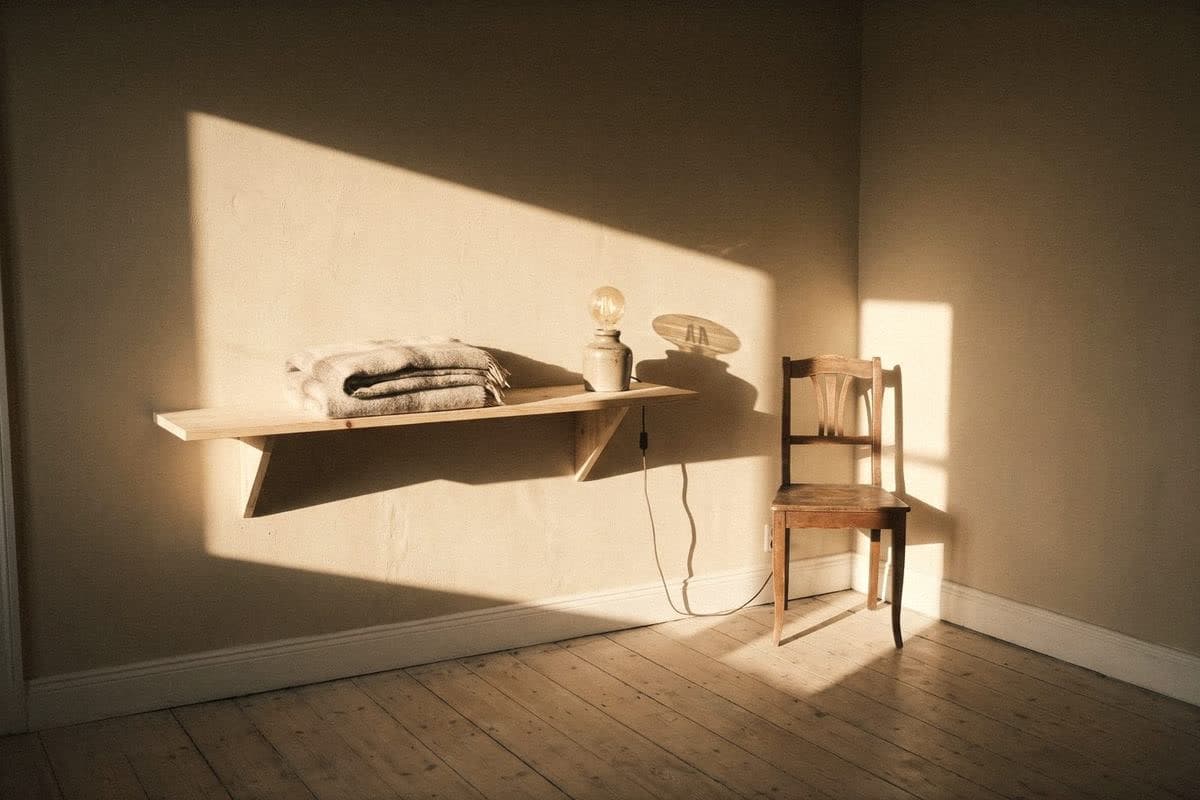
“You can take the roof from a cold country, but the eaves have to be Thai.”
Frequently asked questions
What is a Nordic-style house?
A Nordic-style house is inspired by homes in northern Europe. Its signatures are a tall, steep gable roof, a simple shape, white, grey or black exterior walls, and an interior of light wood and bright walls.
What is the difference between Nordic and Scandinavian style?
In interior design the terms are used interchangeably. Scandinavia means Denmark, Norway and Sweden, while Nordic is broader and also includes Finland and Iceland, but the look of the style is almost identical.
Does a Nordic house suit the Thai climate?
Yes, if it is adapted to hot, humid weather: add eaves or awnings, insulate the roof, ventilate the roof space, choose a light-coloured roof and place windows so the breeze can pass through.
What colours suit a Nordic house?
Outside, white, grey or black are popular, with window frames in the opposite colour. Inside, use off-white or grey-white as the base, then add muted grey, muted green or grey-blue. In Thailand, avoid dark colours on walls that get direct sun.
Does a Nordic house have to have no eaves?
No. The eaveless look is a fashion in form, but in Thailand eaves do a lot to keep off rain and sun. You can design eaves hidden within the roofline, or add awnings only where needed.

Colour on a screen never matches colour on a wall
Order a sample to paint at home, or come and see the full shade library at Voqe Studio, Bang Phli.
Order white and grey sample jarsRead next

What home decor styles are there? 12 popular styles, all on one page
Minimal, Nordic, Muji, loft: they sound alike but they are not the same. Here are 12 interior styles on one page, with the materials and wall colours that suit each.
Read article
What is a minimal home? Not just white paint, but a way of living with less and living well
Paint the whole house white and it still isn't minimal, because minimalism starts with the layout and the storage, not the paint pot.
Read article
Muji-style homes: simple, warm, easy-to-live-with decor without buying from one brand
Pale wood, soft white walls, linen and boxes that fit their shelves. You can get the Muji look without anyone's logo in your home.
Read article