


Is there really odourless interior paint? Choosing a low-odour bedroom paint, and when you can sleep in the room
You want to repaint the bedroom, but you don't want to breathe paint fumes all night. The good news: choose the right paint and plan the right day, and the smell is soon a faint memory.
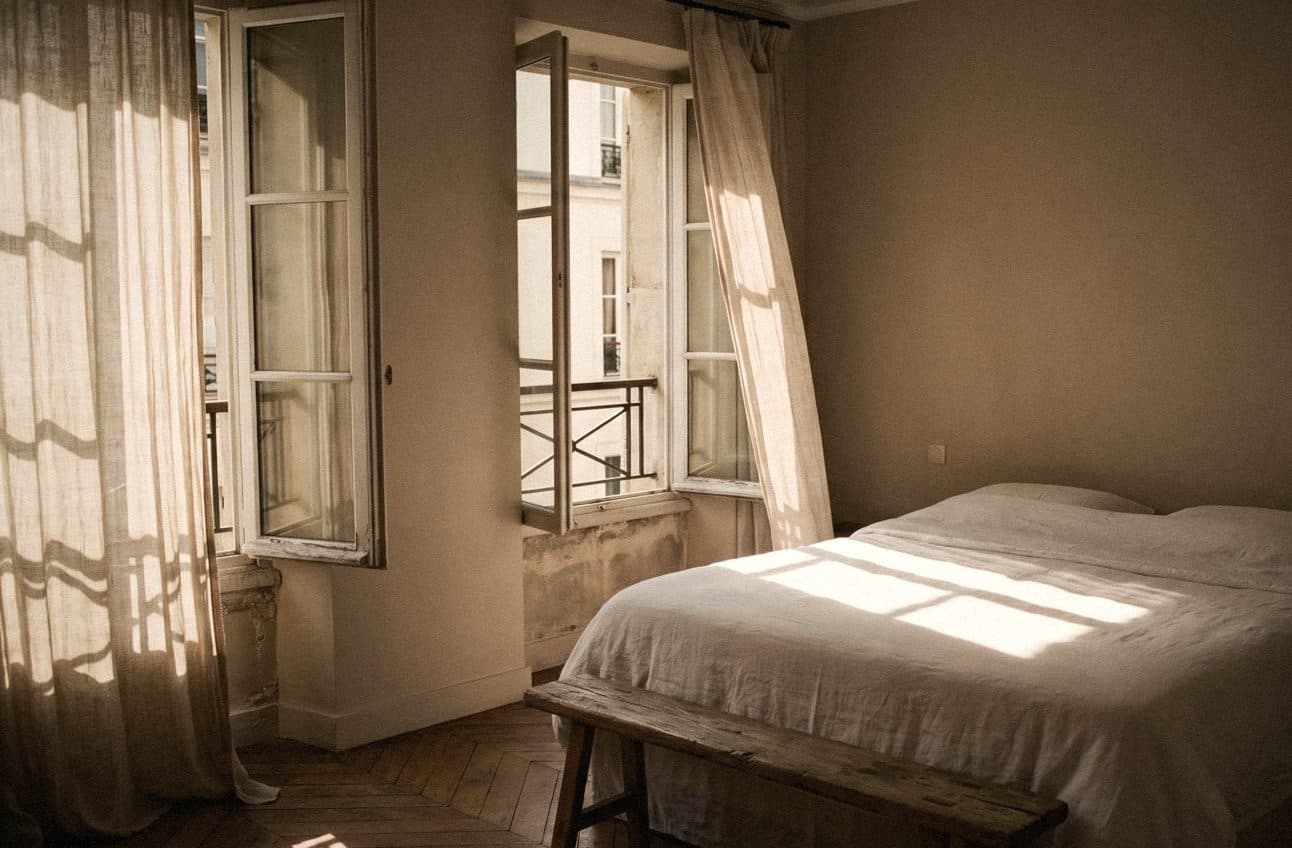


Interior paint with no smell at all, 100%, hardly exists. But low-VOC water-based acrylic paint smells far less than oil-based paint, and the smell fades faster. If you're painting a bedroom you live in, choose a low-VOC water-based paint, open the windows to ventilate while you paint and afterwards, and wait at least one to two days before you sleep in the room again.
Does odourless interior paint exist? Why does paint smell?
Paint smell comes from substances that evaporate as the paint dries. Some of it is what's called VOCs (volatile organic compounds); the rest comes from other ingredients in the paint. As long as the paint is still drying and curing, something is evaporating from it, so there is almost no paint with no smell at all.
So when an advert says "odourless paint", read it as "very low odour" rather than "no smell at all". That's not a bad thing. A good low-odour paint smells faintly while you paint, then fades within a few days once air moves through the room, like the smell of new bed sheets that's gone after one wash.
- Strongest smell: while you paint, and in the first few hours afterwards
- Smell gradually fades: as the paint dries and cures over the following days
- What makes the smell linger: a closed room, humid air, paint applied too thickly
Water-based or oil-based, and what does low VOC mean?
House paint broadly divides into water-based paint, which uses water as the solvent, and oil-based or solvent-based paint. Water-based acrylic paint smells much less, you can wash your brushes in water, and it suits interior walls in a home people are living in. Oil-based paint is usually used on metal and wood, and its solvent smell is stronger and lasts longer.
Low VOC means low in volatile organic compounds. It doesn't mean zero. Voqe Wall Paint is a 100% acrylic water-based paint, low-VOC and low-odour, which suits a bedroom you need to sleep in again within a few days. But like any paint, you should still ventilate the room following the steps below.
- Check the label: water-based, tools clean up with water
- Look for "low VOC" or an environmental label
- Be wary of "100% odourless" or "zero VOC" claims with no data behind them
- For bedroom walls: choose water-based acrylic, not oil-based paint

Painting a bedroom you live in: how to keep the smell to a minimum
Paint smell doesn't depend on the paint alone. The other half is planning: when you paint, how far the room can be opened up, and where you'll sleep that night. Plan it well and a bedroom really can stay low-odour, even in a condo with a single window.
The simplest trick is to create a path for the air. Open a window on one side, then set a fan facing out of the window. The fan pulls the air out of the room instead of blowing the smell round and round inside it.
- Pick a dry day, not a day of rain from morning to night. The paint dries faster and the smell fades faster.
- Start painting in the morning, so you have the whole day to ventilate.
- Open the windows and use a fan blowing out of the room.
- Don't shut the room and switch on the air conditioning straight after painting. Ventilate first.
- Apply thin coats, as many as recommended, rather than one thick coat.
- Close the lid on the tin whenever you're not using it, and take trays and paint-stained cloths out of the room.
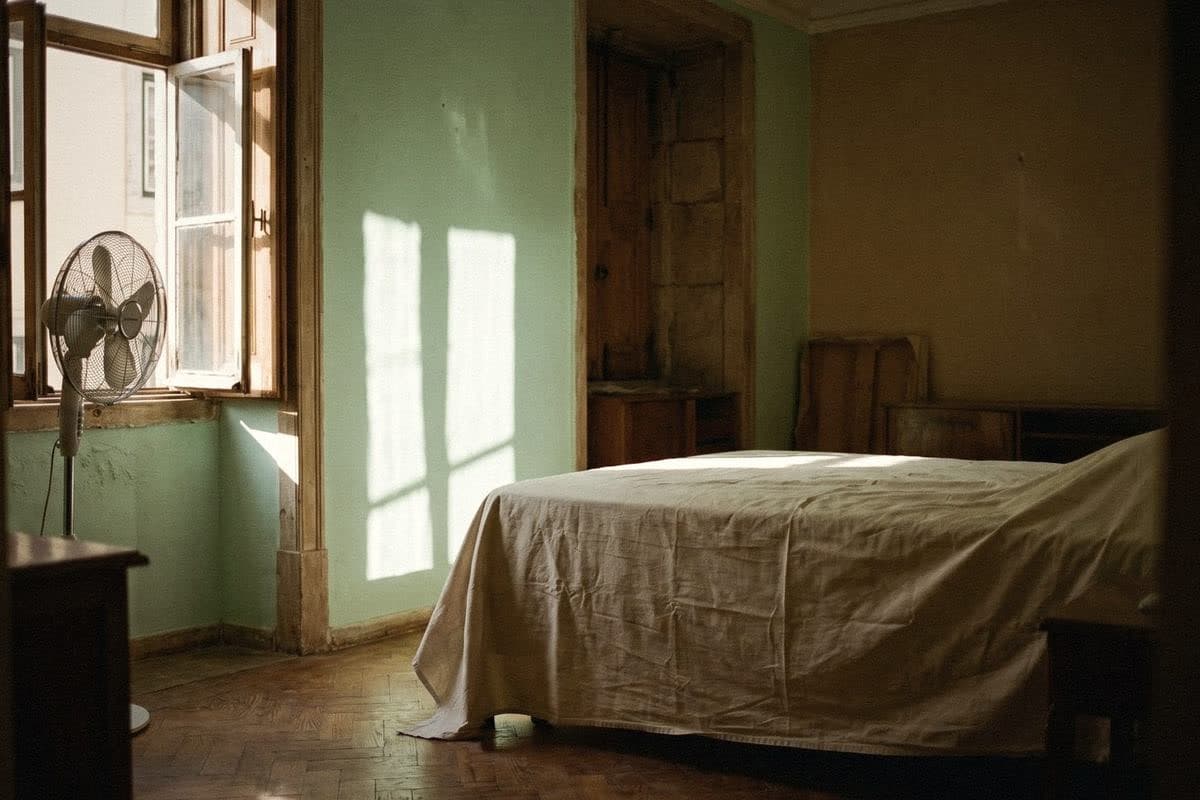
Can you sleep in a bedroom straight after painting it? How many days should you wait?
The usual advice is to open the windows to ventilate and wait at least one to two days before you sleep in a freshly painted room again. Water-based paint may be touch dry before long, but a dry surface doesn't mean the smell has gone.
A simple plan: paint the bedroom on Friday, sleep in another room or on the living-room sofa for two nights, then come back on Sunday to a clean room, a beautiful colour and a smell that has faded. If the room still smells clearly of paint, ventilate for another day. Don't rush.
- Painting day: don't sleep in the room; leave the windows open and the fan on
- Days 1–2 after painting: keep ventilating; move your things back in once the paint is properly dry
- Back to sleeping in the room: once the smell has faded until you barely notice it
- If the smell is still strong, or you feel dizzy: keep ventilating and leave the room for now

Children's rooms, babies, pets and condos: what else to watch for
Young children, babies, older people, anyone who is pregnant, and pets should stay out of the area while you paint, and come back into the room once the smell has faded. That's not because water-based paint is seriously dangerous, but because these groups are more sensitive to smell and to the dust from preparing the walls.
Condos have their own challenges: few windows, poor airflow and neighbours right next door. Tell the building management before you start, following the building's rules, open the balcony door as wide as it goes, and set a fan blowing outwards. If a room has no window at all, such as a dressing room, open the door and use a fan to push the air out towards a room that has a window.
- Children's rooms and nurseries: paint several days before the room is needed; never paint on a night someone has to sleep there
- Pets: keep them out of the room while you paint, and watch that they don't lick or walk through wet paint
- Condos: tell building management, open the balcony, fan blowing out, don't paint at night
- While sanding walls: wear a dust mask, and clear up the dust before you start painting
The paint smell won't go away. What can you do?
What helps most is moving air. Nothing replaces a breeze. Home remedies like setting out a cup of baking soda, charcoal or used coffee grounds in the room are popular in many households and help a little in a room that's often shut, but they're a supplement, not the main fix.
If several days have passed and the smell is still strong, ask yourself: has the room been ventilated enough? Was the paint applied too thickly? Is the air so humid that the paint is drying slowly? Or was oil-based paint used on wood or metal in the same room? That smell lingers longer than water-based paint.
- Keep the windows open and a fan blowing out for another 1–2 days.
- Take trays, rollers, paint-stained cloths and opened tins out of the room.
- Wipe up any drips of paint on the floor or skirting that are still wet.
- If the air is very humid, run a dehumidifier or the air conditioner on dry mode, with a small gap left open for air.
- Set out baking soda or charcoal as a supplement, after ventilating.
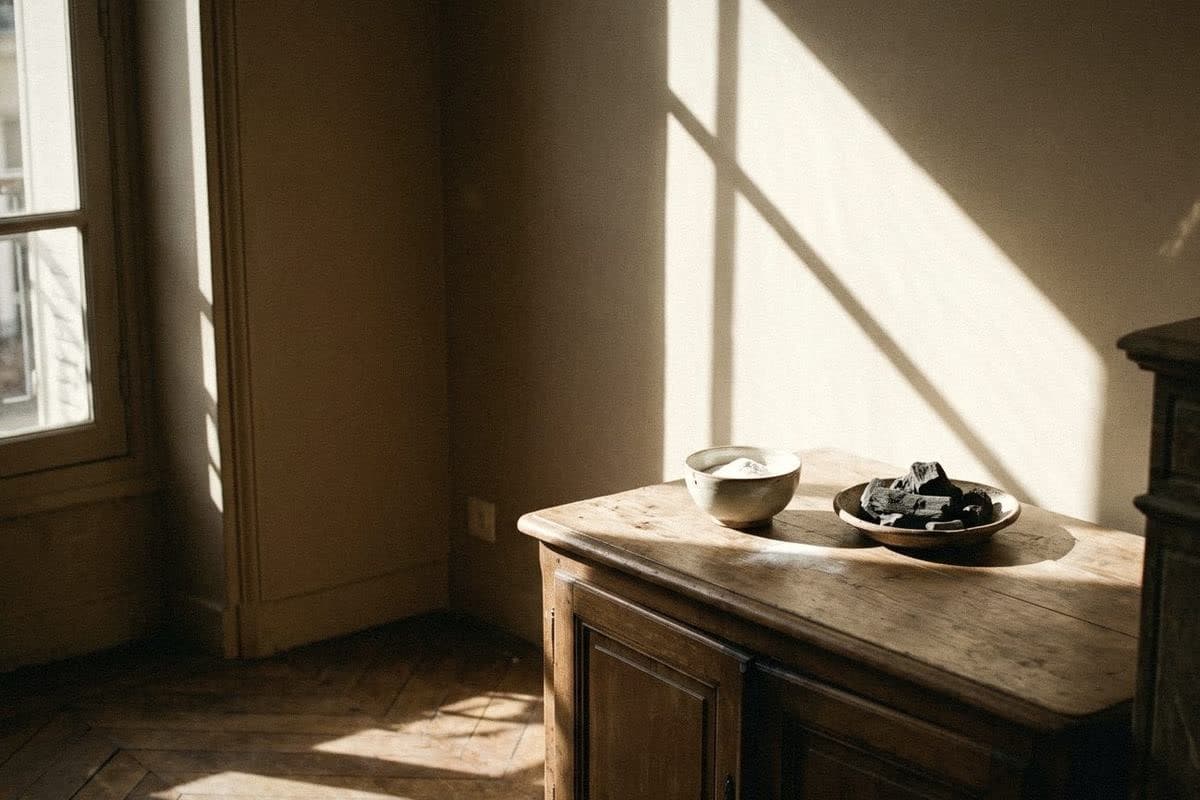
“Good paint should only smell while you're painting. When you sleep, all you should smell is fresh sheets.”
Frequently asked questions
Does odourless interior paint exist?
Paint with no smell at all, 100%, hardly exists. But low-VOC water-based acrylic paint smells very little compared with oil-based paint, and the smell fades within a few days if the room is well ventilated.
Can I sleep in my bedroom straight after painting it?
You shouldn't sleep there on the night you paint. The usual advice is to open the windows to ventilate and wait at least one to two days, until the smell has faded so much you barely notice it, before you sleep in the room again.
What should I look for in an odourless bedroom paint?
Choose a water-based acrylic paint for interior walls that says low VOC and cleans up with water. Avoid oil-based paint on bedroom walls, and be wary of "100% odourless" claims with no data behind them.
Can I paint the house with children or pets at home?
Yes, but keep children, babies and pets out of the area while you paint and while the smell is still strong. Ventilate well, and let them back into the room once the paint is dry and the smell has faded. Paint a child's room several days before it's needed.
What does low VOC mean?
Low VOC means a paint that is low in volatile organic compounds (VOCs), which are among the substances that make paint smell as it dries. Low-VOC paint smells less, but it doesn't mean the paint contains no VOCs at all.

Colour on a screen never matches colour on a wall
Order a sample to paint at home, or come and see the full shade library at Voqe Studio, Bang Phli.
Order soft-tone sample jars for the bedroomRead next
Painting a bedroom yourself: from choosing the colour and working out how much paint and what it costs, to the first night back in it
One bedroom, two days off, about two gallons of paint. We show every line of the sums, from choosing the colour to the first night back in your bed.
Read article
Bedroom colours: how to choose for easy sleep and a good mood in the morning
The bedroom is the one room where you want colour to speak most quietly. Choose well and it feels as soft as a hotel bed with fresh sheets.
Read article
Decorating a small 25-35 m² condo so it looks bigger, lives better and stays within the building rules
A 30 sq m condo isn't too small. It just has no room for things you don't need. Start with the building rules, divide the room into zones, then let colour and light make it feel bigger.
Read article