


Painting a bedroom yourself: from choosing the colour and working out how much paint and what it costs, to the first night back in it
One bedroom, two days off, about two gallons of paint. We show every line of the sums, from choosing the colour to the first night back in your bed.
Painting a 3x4 metre bedroom with a 2.6 metre ceiling takes about 2 gallons of wall paint for two coats, and you can finish it yourself in one to two days. The right order is to prepare the walls, paint the ceiling, paint the walls, then do the door and window frames last. When you finish, open the windows to air the room, and wait at least one to two days before sleeping in it again.
Choose your bedroom colour before you open the tin
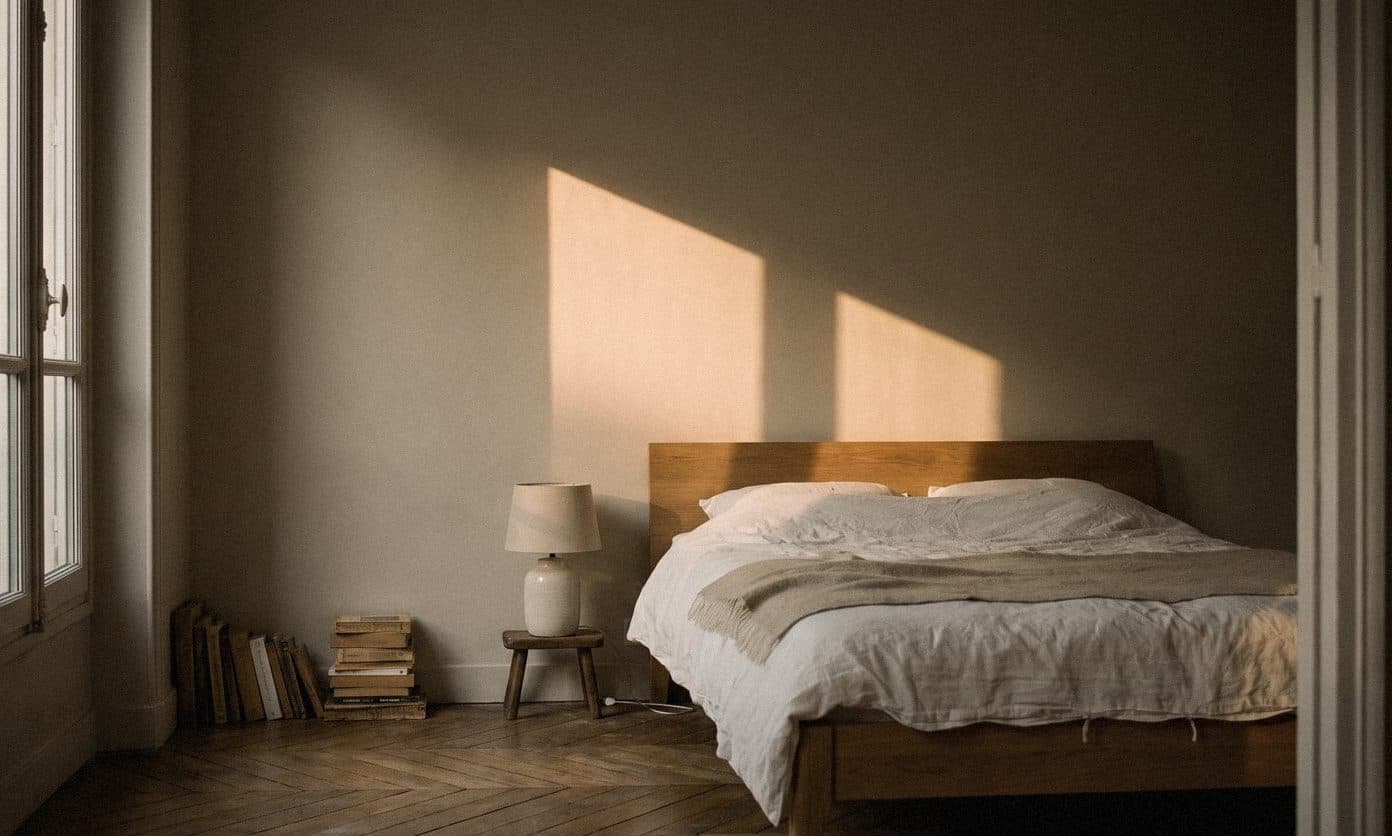
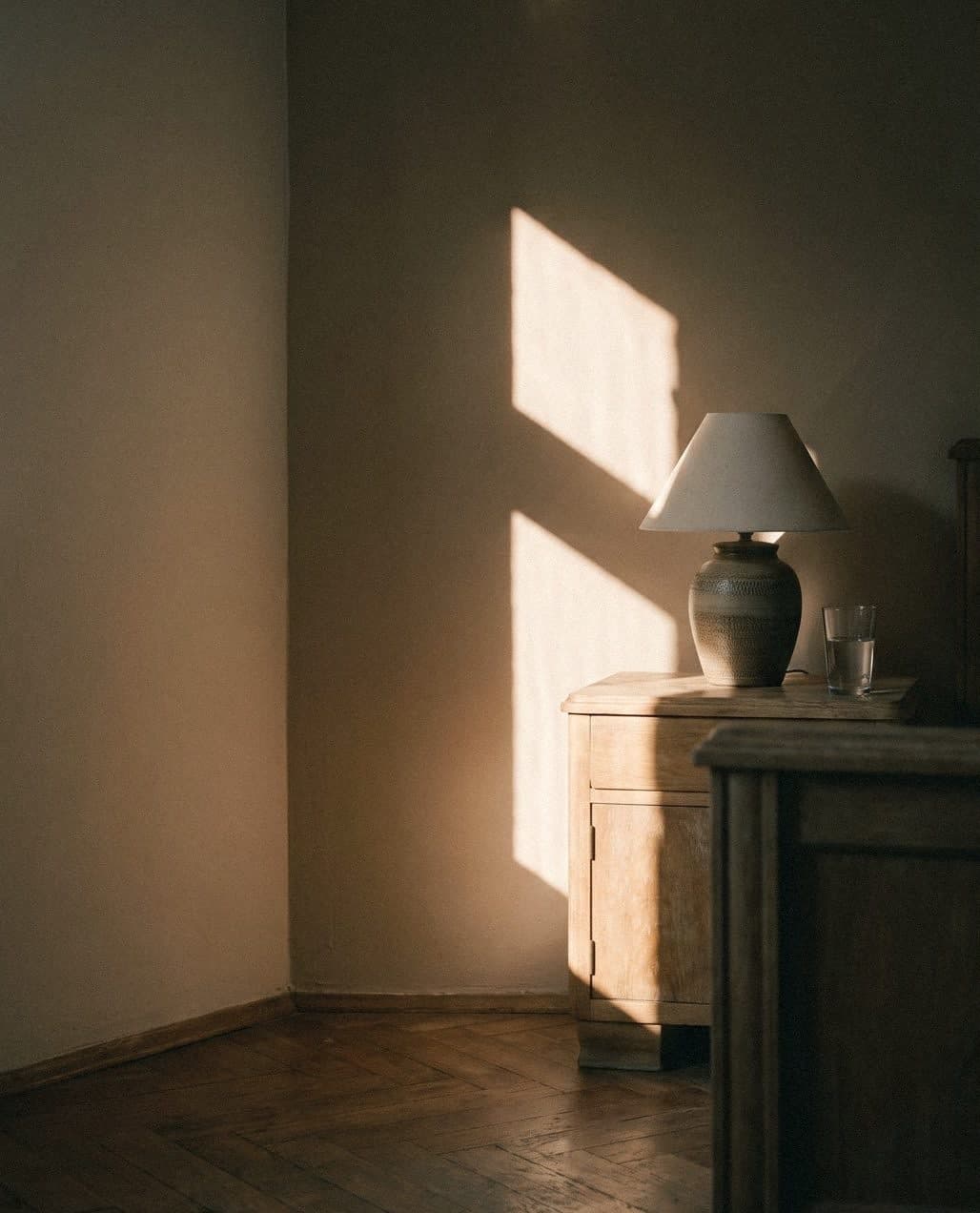
The bedroom is the one room in the house we use more with our eyes shut than open. So a good colour isn't the most exciting one; it's the one that slows your breathing. Soft warm tones like beige, cream and linen make a room feel as cosy as a blanket just in from the sun. Cool tones like muted blue, sage green and light grey make a room that gets the afternoon sun feel cooler.
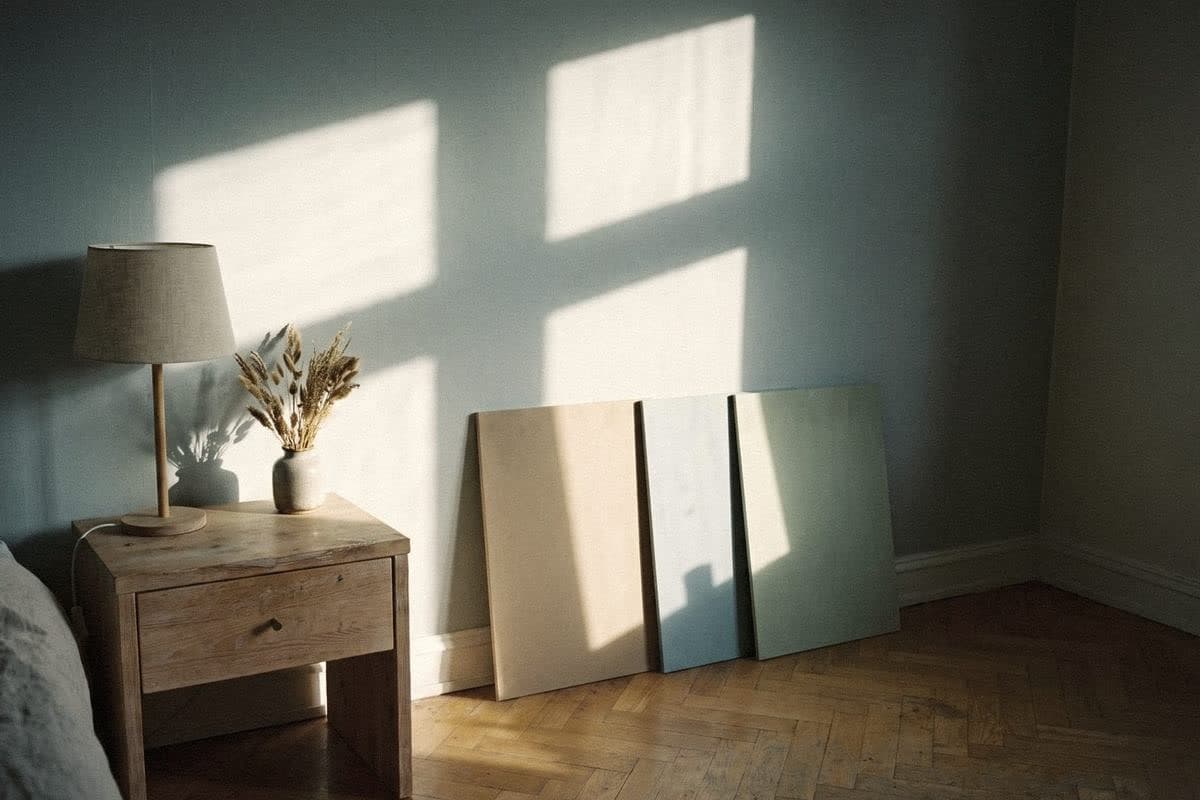
Check which way the windows face before you choose. In a room that takes the afternoon sun from the west, cool tones stop it feeling hot. In a north-facing room with soft light all day, warm tones keep it from looking gloomy. And don't forget we see the bedroom at night under the lights more often than in daylight, so look at your colour samples under the room's actual bulbs too.
- For a warm, soft room: beige, cream, linen, oatmeal
- For a hot room that gets the afternoon sun: muted blue, sage green, light grey
- For a small room you want to feel bigger: warm white or pale cream, with a white ceiling
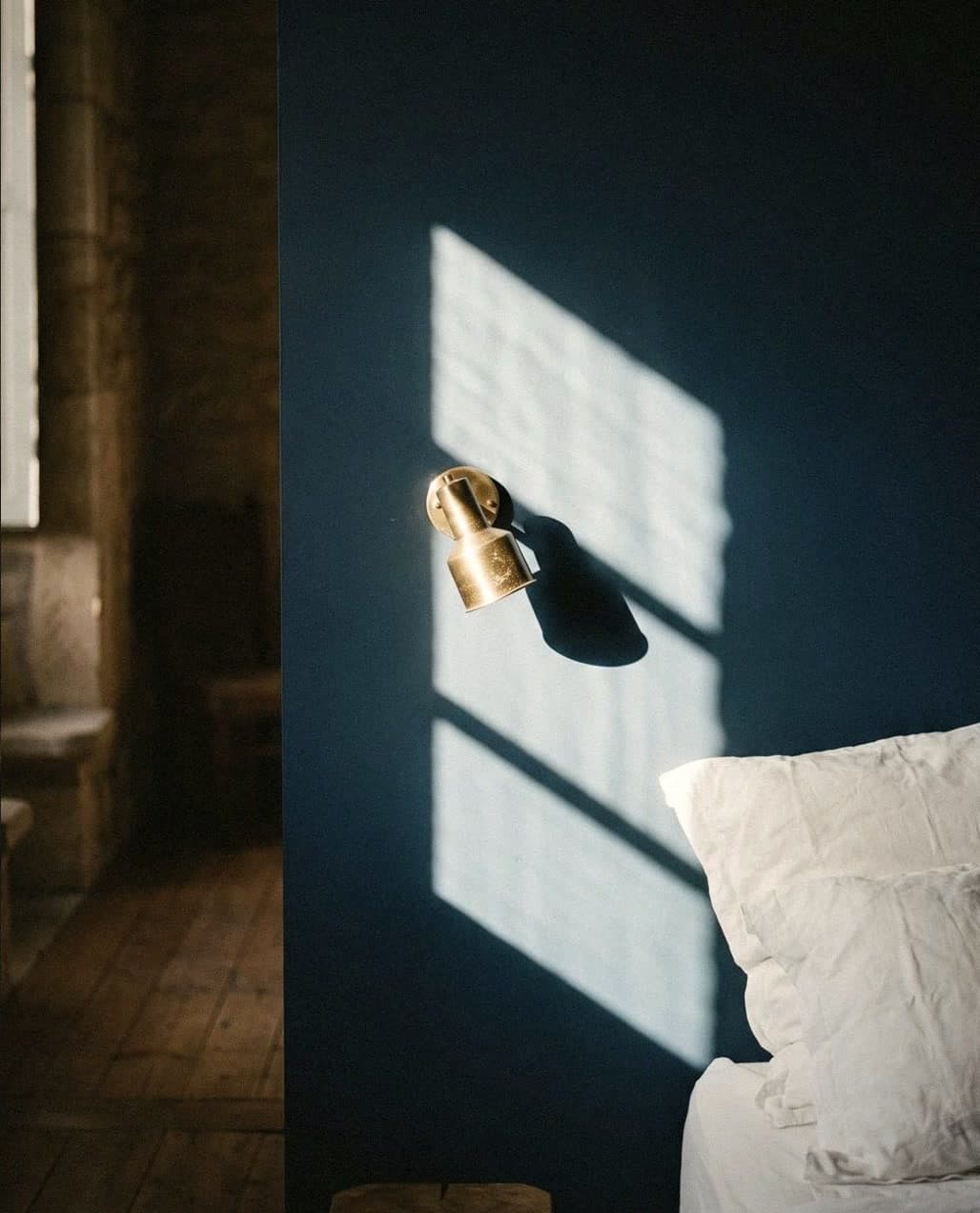
- For a dark, calm room and deep sleep: deep navy or deep green, on the headboard wall only
How much paint a bedroom needs, worked out line by line
The formula is wall area times the number of coats, divided by the paint's coverage, plus about 10 percent extra. Let's work it out for a 3x4 metre bedroom with a 2.6 metre ceiling, one door and one window. A typical acrylic paint covers around 30–40 sq m per gallon per coat; this example uses 35–40.
These coverage figures apply to walls that are primed and smooth. Rough walls, or walls that soak up a lot of paint, will use more than this. If you are going from a dark colour to a light one, or the other way round, some areas may need a third coat.
- Perimeter of the room: 3 + 4 + 3 + 4 = 14 metres
- Wall area: 14 x 2.6 = 36.4 sq m
- Subtract the door, 0.9 x 2.0 = 1.8 sq m, and the window, 1.2 x 1.2 = 1.44 sq m, leaving about 33.2 sq m
- Two coats: 33.2 x 2 = 66.4 sq m
- Add 10%: about 73 sq m
- Divide by 35–40 sq m per gallon: about 1.8–2.1 gallons of paint
- Ceiling: 3 x 4 = 12 sq m, two coats make 24 sq m, which takes less than one gallon of white

What bedroom paint costs: a real budget example
Now let's turn the numbers from the last step into money. With Voqe Wall Paint, which covers 35–40 sq m per gallon per coat, the walls of this room need about 2 gallons. Two gallon tins at ฿1,299 each come to ฿2,598, or a single 9 litre tin is ฿2,500, which gives you more paint for slightly less. The ceiling takes one gallon of white, and old-concrete primer is ฿630 for 3.785 litres; check the coverage on the product page to make sure it's enough for your wall area.
If you'd rather not paint it yourself, painters' labour at rough market rates is about ฿50–180 per sq m, depending on the condition of the walls and the size of the job, and it normally includes priming. Ask for a quote that clearly separates labour from paint.
- Wall paint, 9 litre tin: ฿2,500
- Ceiling paint, 1 gallon: ฿1,299 (if you paint the ceiling too)
- Old-concrete primer, 3.785 litres: ฿630 (if the walls need priming)
- 9 inch roller and tray: ฿189
- Total main materials: about ฿2,689–4,618, not counting masking tape, dust sheets and sandpaper
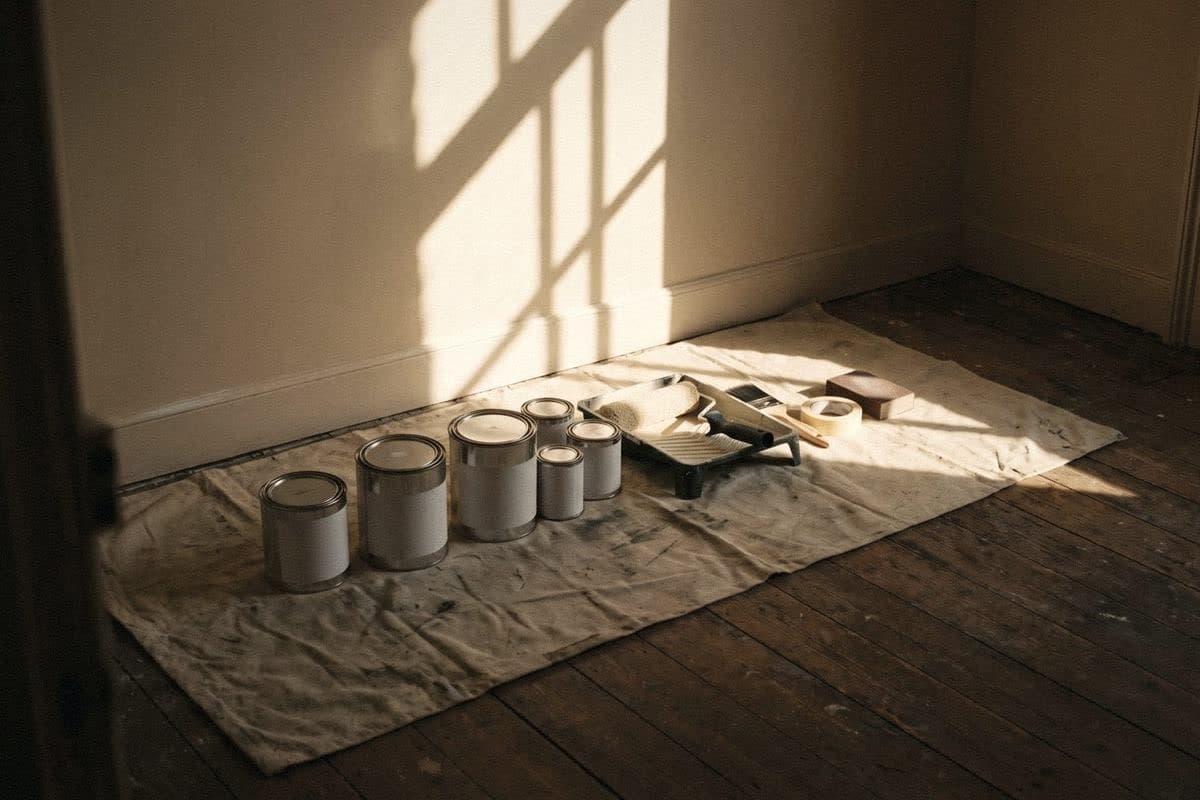
Preparing the room and walls before painting a bedroom
Painting a bedroom is like cooking: most of the time goes into the prep. Move the furniture into the middle of the room and cover it with dust sheets. Take off the socket and switch plates, take down pictures, curtains and rails, and wrap any headboard or built-in wardrobe you can't move.
Bedroom walls have spots people often forget: the area behind the bed where heads have leaned for years, and around the light switch that hands touch every day. Both have greasy marks that paint doesn't like. Wipe them off first with a cloth dipped in water with a little mild washing-up liquid, then wipe again with plain water.
- Move things out, or gather them in the middle of the room under dust sheets
- Lay dust sheets or paper on the floor and tape the skirting boards
- Remove socket and switch plates and hooks
- Fill nail holes and hairline cracks with acrylic filler, then sand smooth
- Wipe off dust and grease, especially behind the bed and around switches
- Run masking tape along the door and window frames, and along the ceiling line if it's a different colour
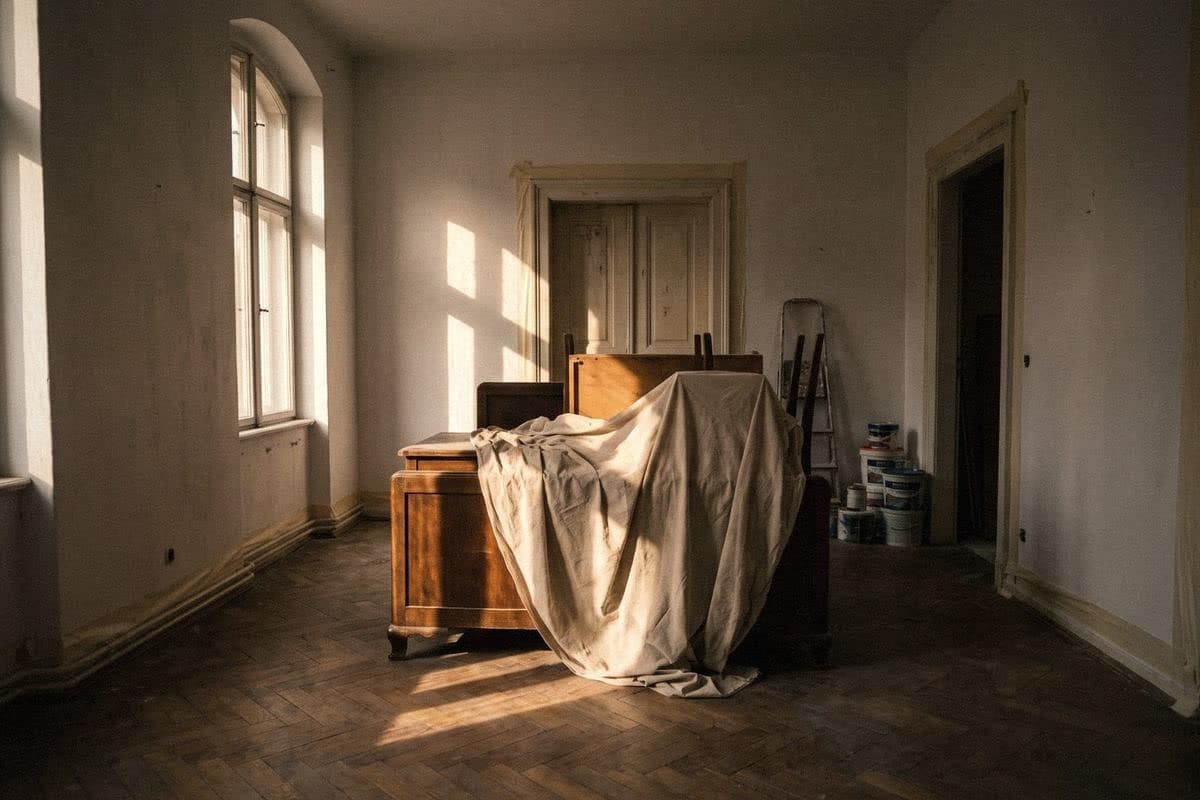
The order for painting a bedroom: ceiling, walls, then the edges
Always start with the ceiling, because paint from the ceiling can drip onto the walls but wall paint can't drip up onto the ceiling. Then do the walls. Use a brush to cut in along the corners, the ceiling line and around the frames first, then roll the large areas while the edges are still wet. Roll in a W shape, then spread it out to fill in. Finish one wall at a time.
Wait for the first coat to dry as the label says before applying the second. Most water-based acrylic paints can be recoated within a few hours, so a room this size can get both coats in one day if you prepared the walls the day before. Finish with the door and window frames and the skirting, and peel off the tape while the paint is still slightly tacky for sharper edges.
- 1. Ceiling
- 2. Cut in the wall edges with a brush
- 3. Roll the first coat on the walls
- 4. Let it dry, then apply the second coat
- 5. Door and window frames and skirting
- 6. Peel off the tape while the paint is still slightly tacky
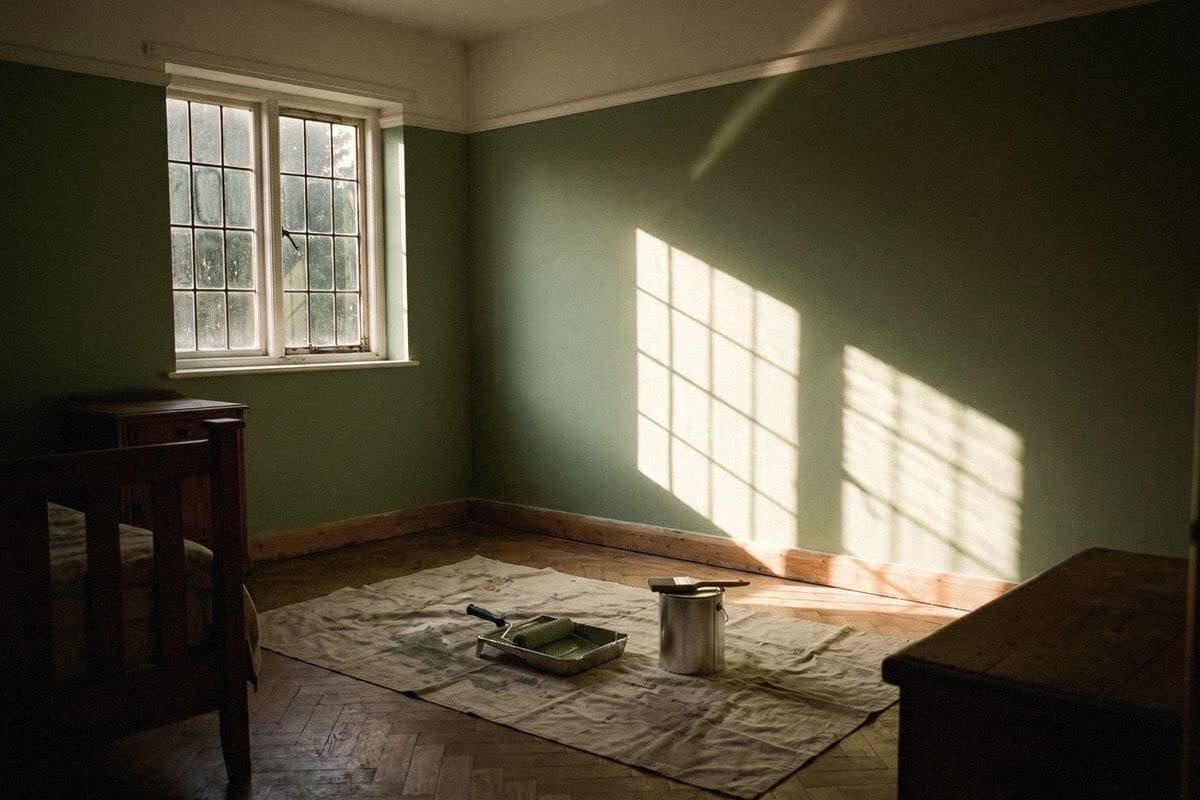
Can you sleep in a freshly painted bedroom, plus headboard wall ideas
Paint is touch dry quickly, but smells and volatile compounds keep coming off it for a while. The usual advice is to open the windows and run a fan to ventilate, then wait at least one to two days before sleeping in the room again. Low-VOC water-based acrylic paint smells far less than oil-based paint, but that doesn't mean it has no smell at all. Young children and pets should stay out of the room while you paint and for a while afterwards.
If you want the room to look more considered without painting the whole thing dark, try painting just the headboard wall one or two steps deeper than the other walls, or make that one wall a limewash-style textured wall with a mineral paint like Voqe Mineral Finish. The room gets a focal point like a good hotel room, while the other three walls stay as calm as before.
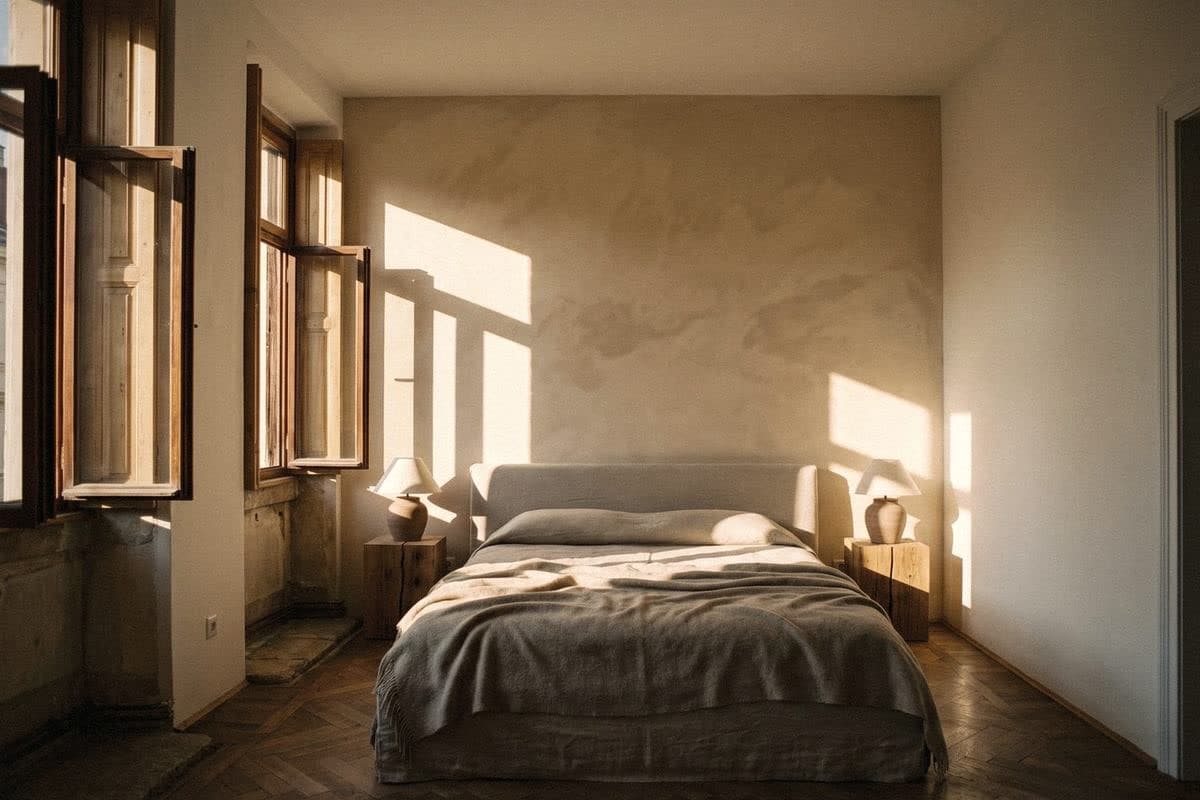
“A good bedroom doesn't need to be exciting. It just needs to slow your breathing.”
Frequently asked questions
How many gallons of paint do I need for a bedroom?
A 3x4 metre bedroom with a 2.6 metre ceiling has about 33 sq m of net wall area. Two coats plus 10% extra comes to about 73 sq m. If the paint covers 35–40 sq m per gallon per coat, you'll use about 2 gallons, not counting the ceiling.
How much does bedroom paint cost?
It depends on the brand, the tin size and the area. For the 3x4 metre bedroom in this article, the main materials come to about ฿2,700–4,600, depending on whether you paint the ceiling too and whether the walls need priming.
Can I sleep in my bedroom right after painting?
You shouldn't sleep there the same night. Open the windows and run a fan to ventilate, then wait at least one to two days, as is generally advised, even with low-VOC water-based paint. Keep young children and pets out of the room.
How many days does it take to paint a bedroom yourself?
An average-sized room takes one to two days. On the first day, prepare the walls, fill holes, tape up and prime if needed. On the second, paint the ceiling, give the walls two coats and finish the edges.
What do I need to paint a bedroom?
Wall paint, ceiling paint, primer if the walls are old or repaired, a roller and tray, a brush for cutting in, a roller extension pole, masking tape, dust sheets, filler, sandpaper and a cloth for dusting.

Colour on a screen never matches colour on a wall
Order a sample to paint at home, or come and see the full shade library at Voqe Studio, Bang Phli.
Order bedroom sample jars to tryRead next
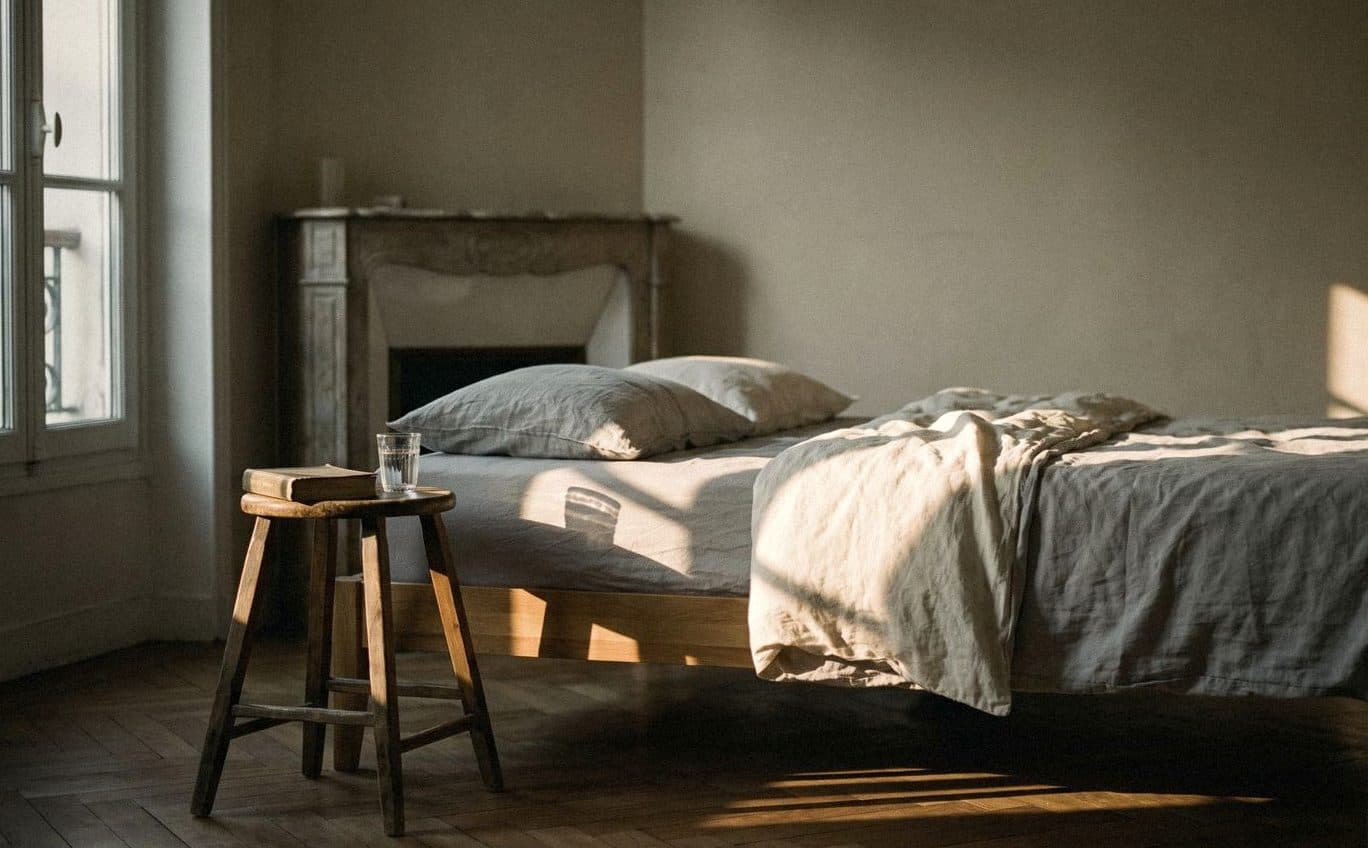
Bedroom colours: how to choose for easy sleep and a good mood in the morning
The bedroom is the one room where you want colour to speak most quietly. Choose well and it feels as soft as a hotel bed with fresh sheets.
Read article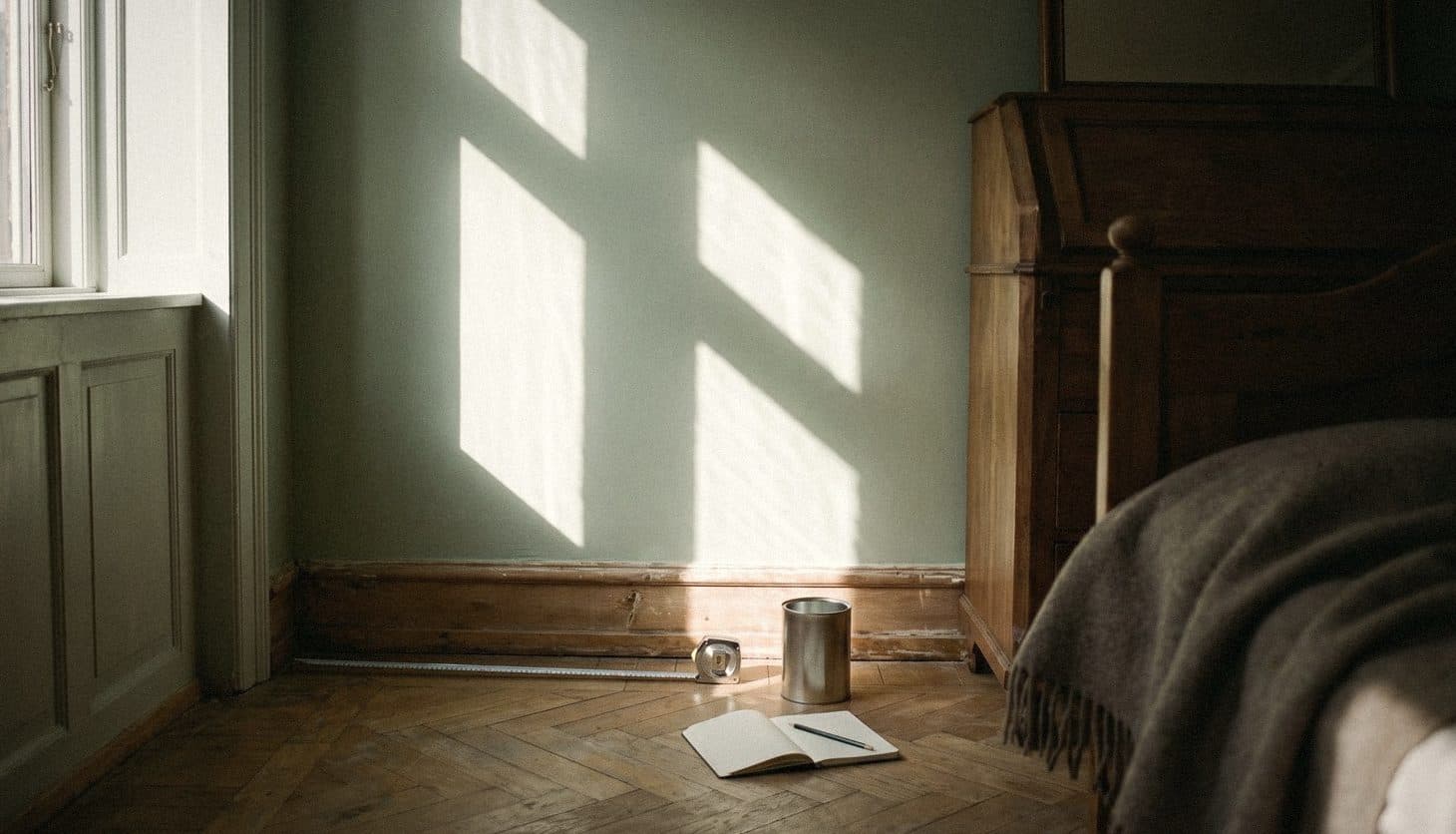
How many square metres does 1 gallon of paint cover? Work out your house paint in 5 steps, with real examples
Buy too little and you're dashing to the shop with paint on your hands. Buy too much and a tin sits under the stairs for ten years. Do five minutes of maths first, then buy the right amount in one go.
Read article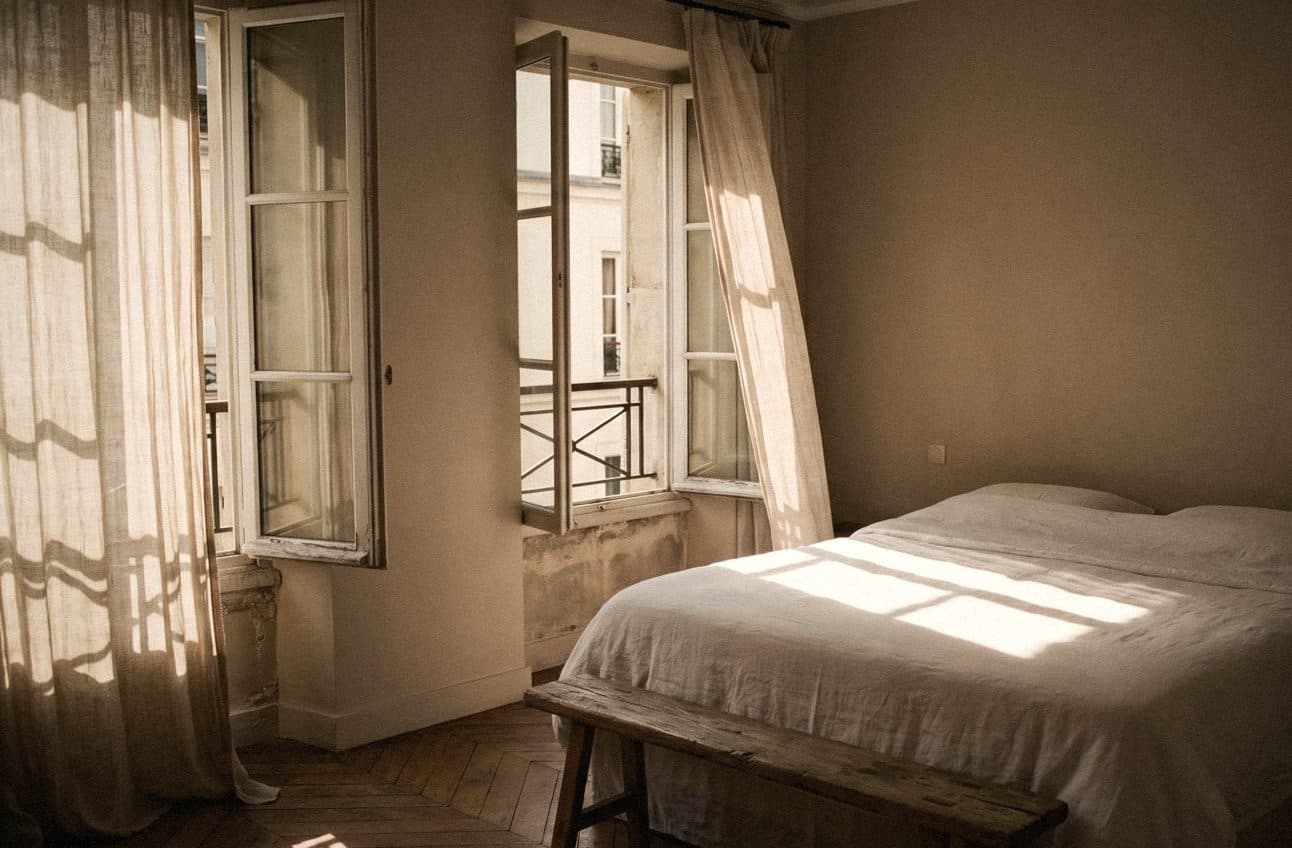
Is there really odourless interior paint? Choosing a low-odour bedroom paint, and when you can sleep in the room
You want to repaint the bedroom, but you don't want to breathe paint fumes all night. The good news: choose the right paint and plan the right day, and the smell is soon a faint memory.
Read article