


8 interior wall finishes compared side by side: which suit Thai homes?
A single wall has more options than you'd think. But in a humid climate like ours, the first question isn't whether it looks good. It's what happens when it gets damp.
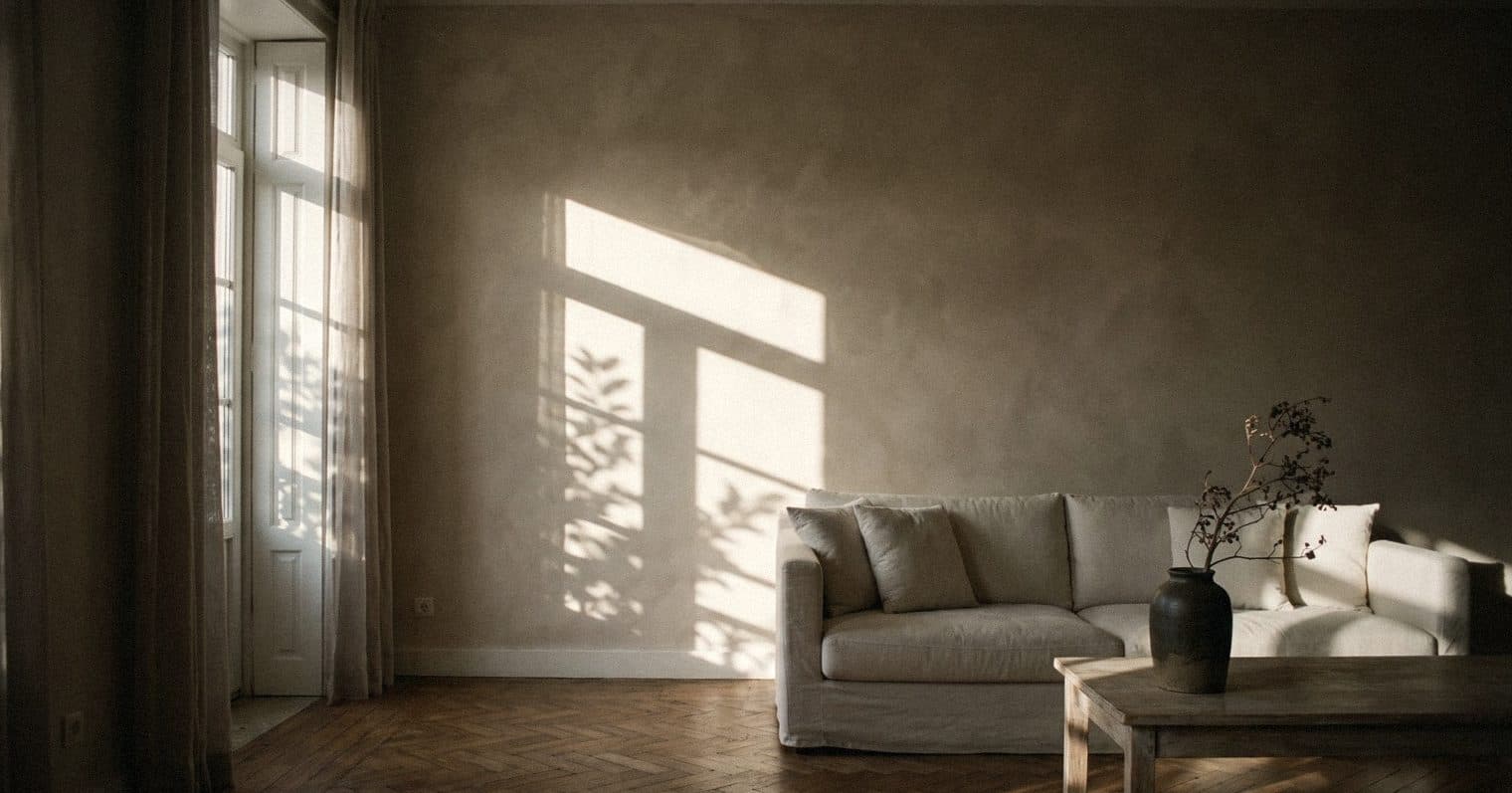


There are 8 popular interior wall materials: wall paint, textured or plaster-effect paint, wallpaper, wood or WPC composite wood panels, wall slats, faux stone or brick, tiles, and fabric wall panels. For a humid Thai home, choose first by the risk from damp and mould, then by looks and budget. Paint and tiles are the easiest to look after; wallpaper and fabric need the most care around damp walls.
How to choose an interior wall material: ask these five questions first
A wall stays with you for years. Choosing its material from pretty pictures alone is like choosing shoes from a photo without trying them on. Thai homes have particular conditions to think about first: high humidity almost all year, heavy rain, strong sun and, in some areas, termites.
Before you look at a catalogue, go and put your hand on the wall you want to work on. If it feels cold and damp, has water stains, or the paint is blistering or mouldy, fix the cause of the damp first. Any material you cover a damp wall with becomes a place for the problem to hide.
- Is this wall damp? Has it ever had water seeping in, mould or blistering paint?
- How hard is this room used? Are there children or pets, or is the wall touched often?
- How long do you want it to last, and will you want to change it often?
- How much weight can the wall take? In a condo, what does management allow you to drill or fix?
- What's the budget including installation and future upkeep, not just materials?
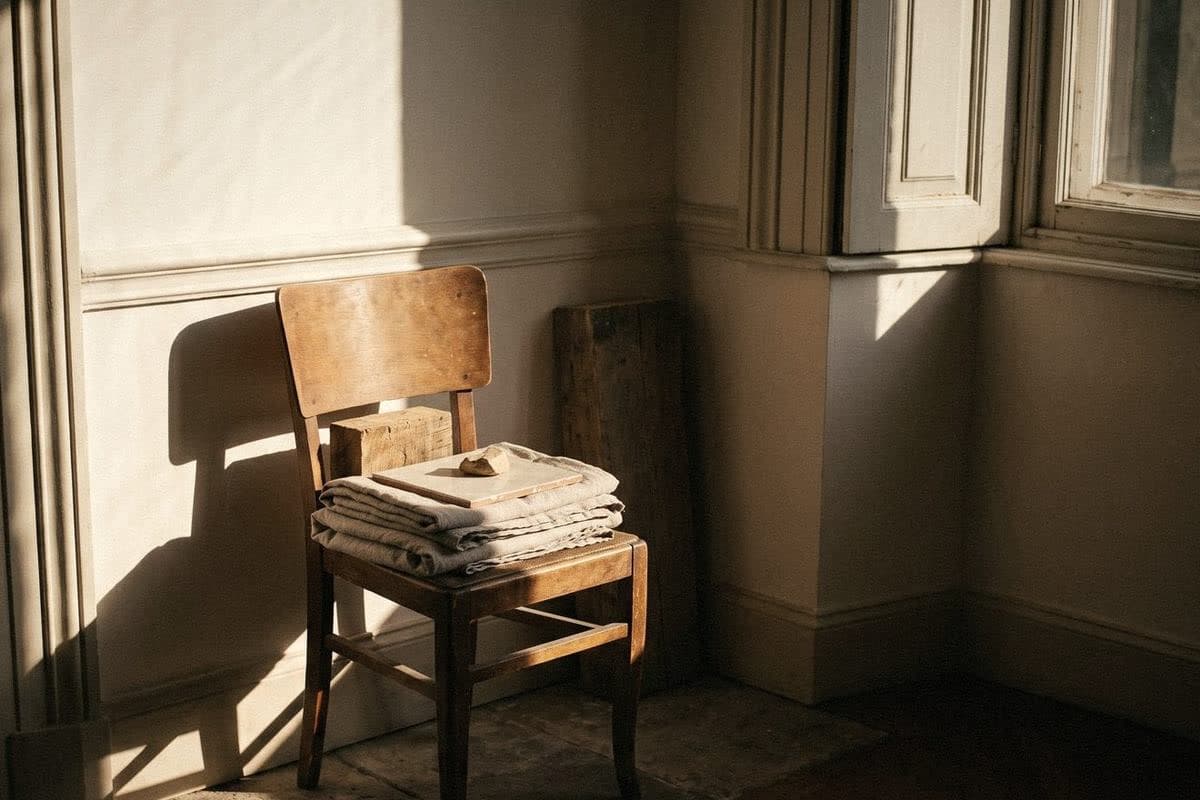
Wall paint and textured paint: the most flexible basics
Acrylic wall paint is the lowest-priced wall material per area. You can paint it yourself, the colour is easy to change, and it creates no gap behind the wall where damp can build up. If the wall develops a problem in future, you'll see it straight away. The limitation is that it's smooth: if you want depth, or the feel of a real material, flat paint alone won't give it.
Textured and plaster-effect paints, such as limewash or mineral paints, give a soft matt surface with shifting tones like stone or old plaster, while still being a paint job with no panels to fix on. They're mid-priced, need more skill than flat paint, and are popular for a single feature wall. Voqe Mineral Finish is a limewash-style mineral paint of this kind, for both interior and exterior walls.
- Wall paint: low price, low damp risk, easy upkeep, easy to touch up
- Textured or plaster-effect paint: mid price, adds depth, needs skill, harder to patch than flat paint
- Suits: every room, especially rooms where you like to change the mood often
Wallpaper and fabric wall panels: striking, but you need to talk about damp
Wallpaper gives you patterns paint can't: florals, line work or fabric-like surfaces. It's mid-priced, depending on type and pattern. But in a Thai home you have to watch out for damp. If the wall behind is damp or backs onto a bathroom, moisture can get trapped between the wall and the paper, leading to mould and peeling edges. Stripping wallpaper later takes real effort, and the wall surface usually needs repairing before you can repaint.
Fabric wall panels, or fabric-covered acoustic panels, help with echo and add softness behind a bed or in a home cinema. They're mid to high priced, but fabric holds dust and moisture, so they suit a closed, air-conditioned room better than one with humid air blowing through all day.
- Wallpaper: mid price, high damp risk if the wall is damp, hard to strip
- Fabric panels: mid to high price, help with sound, collect dust, need regular vacuuming
- Avoid: walls backing onto a bathroom, exterior walls hit by rain, and walls that have had water seeping in

Interior wall panels, composite wood and wall slats
Wood panels and slats give a warmth paint can't. They suit TV walls, bedheads and entrance halls. The main options are solid wood, veneered plywood or MDF, and WPC composite wood, which mixes wood fibre with plastic. Composite wood is popular in Thai homes because it stands up to humidity better than solid wood and MDF, and termites rarely eat it, but some ranges still look like plastic up close.
The thing to watch with panels and slats is the gap behind them. If they're fixed to a damp wall, or there's no space for air to pass, moisture builds up behind them where you can't see it. Solid wood and MDF may swell or go mouldy, and become a hiding place for termites. Fix any damp in the wall first, use a moisture-resistant frame, and in a condo check the rules on drilling and fixing first.
Wall slats are a good middle way. You get the lines of wood, use less material than covering the whole wall, and if you paint the wall behind a dark colour, the slats stand out much more.
- Solid wood: high price, the warmest, at risk from termites and damp, needs upkeep
- MDF or veneered plywood: mid price, smooth and good-looking, not water-resistant
- WPC composite wood: mid price, better with damp, termites rarely eat it, some ranges look like plastic
- Wall slats: mid price, less material, pair well with a dark wall behind

Faux stone, faux brick and tiles: durable, but heavy and hard to change
Faux stone and faux brick panels give a solid-looking wall in a loft or country-house style. They're mid to high priced and durable, and less bothered by damp than wallpaper, but they're heavy, need a wall that can take the load, and are hard to remove. If you're tired of them in five years, changing them means chiselling the wall.
Tiles are the easiest wall material to look after in wet areas: kitchens, bathrooms and behind the sink. They're mid to high priced depending on the range. The downsides are grout lines that get dirty, and they're hard to change once installed. If old tiles are still firmly fixed but you don't like how they look, coating over the existing tiles is an option that doesn't involve ripping them out.
- Faux stone or brick: mid to high price, damp-resistant, heavy, hard to remove
- Tiles: mid to high price, the most water-resistant, grout lines need upkeep
- Suits: kitchens, bathrooms, feature walls in halls and walls that get wet often

Interior wall materials, room by room
No material is best for every wall, but there is a best material for each wall. The simple rule: the higher the damp risk, the more you should choose a material that doesn't seal damp in; the more often you want to change, the more you should choose a material that's easy to change.
Many of the best-looking homes mix just two or three materials: paint on most walls, one feature wall in a plaster texture or wood slats, and tiles only in wet areas. The result is a home with depth but no clutter.
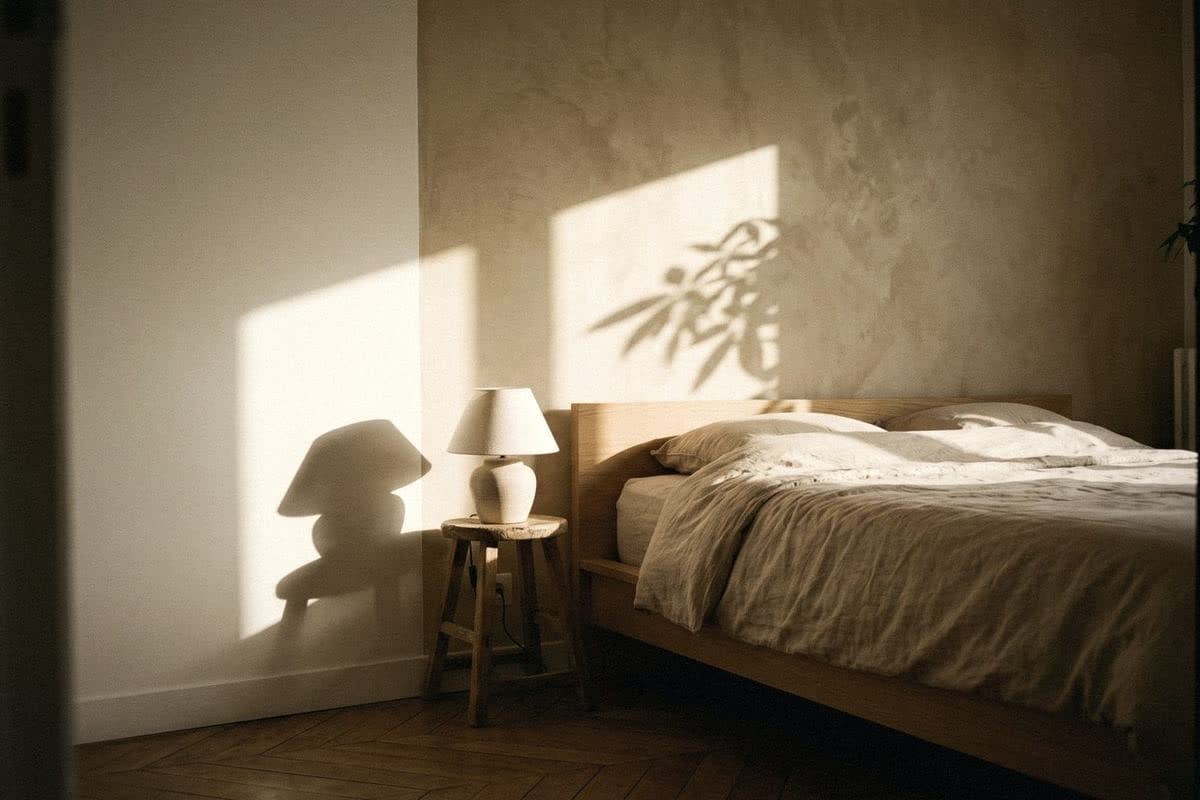
- Bedroom: paint, or plaster-effect paint behind the bed; fabric if it's a closed air-conditioned room
- Living room: paint, with slats or a plaster texture on the TV wall
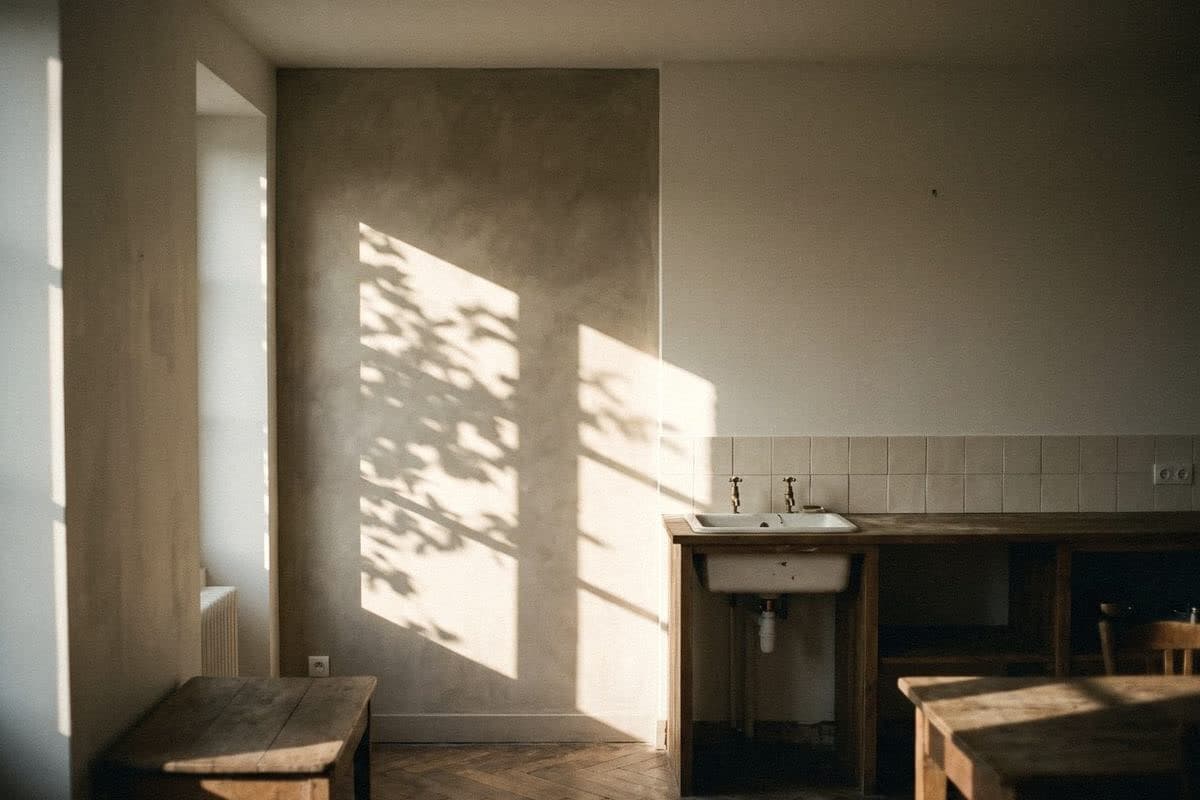
- Kitchen: wipeable paint, tiles behind the counter
- Bathroom: tiles in the wet zone, paint outside it
- Halls and stairs: a darker lower half in paint, or a plaster texture that hides handprints
- Condo: paint, and materials that don't need much drilling
“You judge a beautiful wall with your eyes. You judge a well-chosen wall over time.”
Frequently asked questions
What interior wall materials are there?
Popular ones are wall paint, textured or plaster-effect paint, wallpaper, wood panels and WPC composite wood, wall slats, faux stone or brick, tiles and fabric wall panels. They differ in looks, price, resistance to damp and upkeep.
Is composite wood good for decorating walls?
It suits humid Thai homes better than solid wood and MDF, because it stands up to damp better and termites rarely eat it. But fix it to a dry wall on a moisture-resistant frame, and choose a range with a natural-looking surface.
What should I watch out for with wall slats?
Watch for a damp wall behind them, because moisture builds up behind the slats where you can't see it. Solid wood needs watching for termites, and in a condo, check management's rules on drilling and fixing first.
Wallpaper or paint: which suits a Thai home?
Paint suits most Thai homes better, because it doesn't trap moisture behind the wall, is easy to touch up and quick to change. Wallpaper suits dry walls and air-conditioned rooms where humidity is under control.
Which interior wall panels won't go mouldy?
No material can stop mould if the wall behind is damp. Fix the cause of the damp first. After that, materials that don't cover the wall, such as paint, or damp-resistant materials such as tiles and WPC composite wood, carry less risk than wallpaper, fabric and MDF.

Colour on a screen never matches colour on a wall
Order a sample to paint at home, or come and see the full shade library at Voqe Studio, Bang Phli.
See Mineral Finish plaster-look wallsRead next
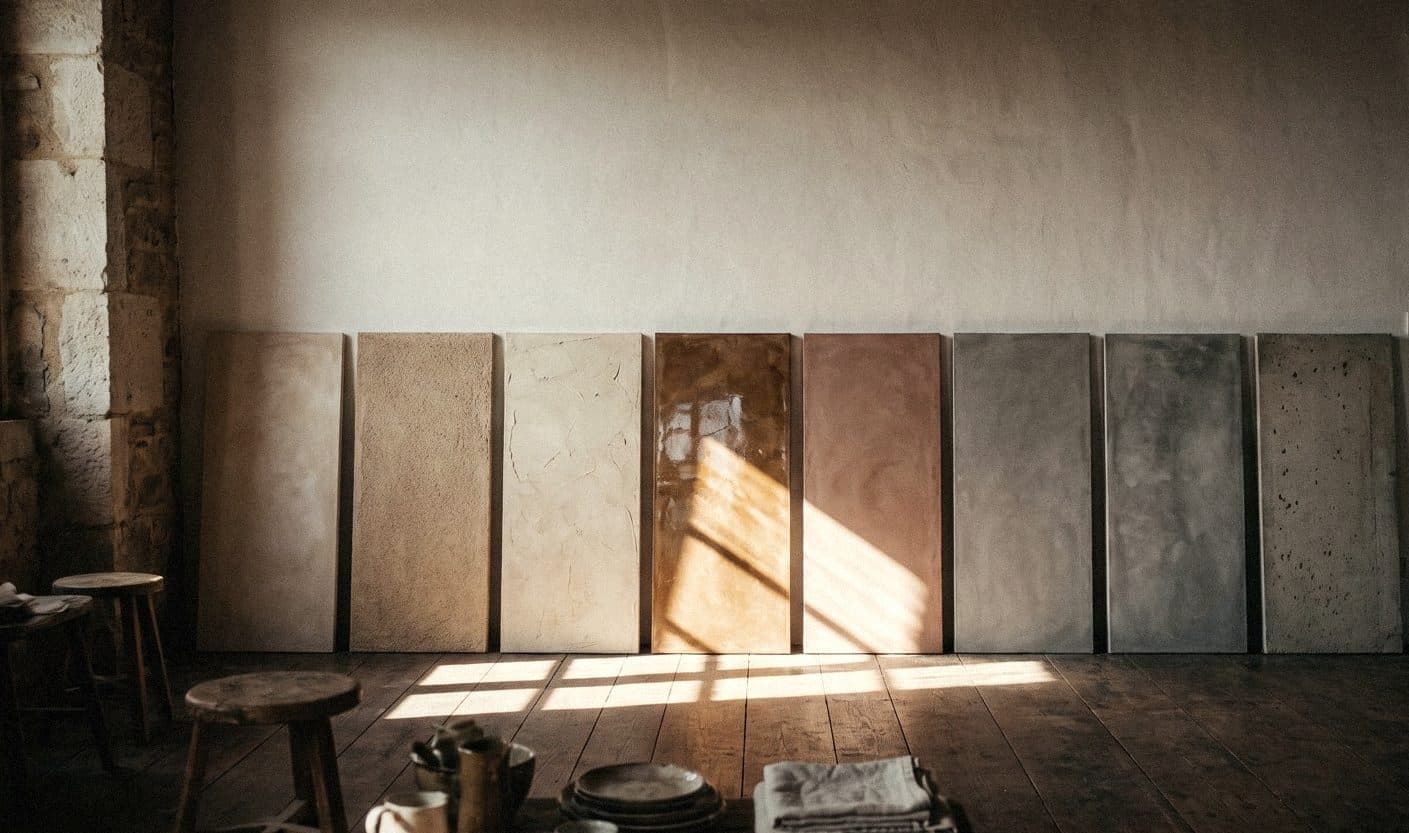
How many types of textured wall are there? 8 popular finishes, how they look, where to use them and how to care for them
Brush, trowel or formwork; matt or polished. A guide that sorts out eight textured walls on a single page.
Read article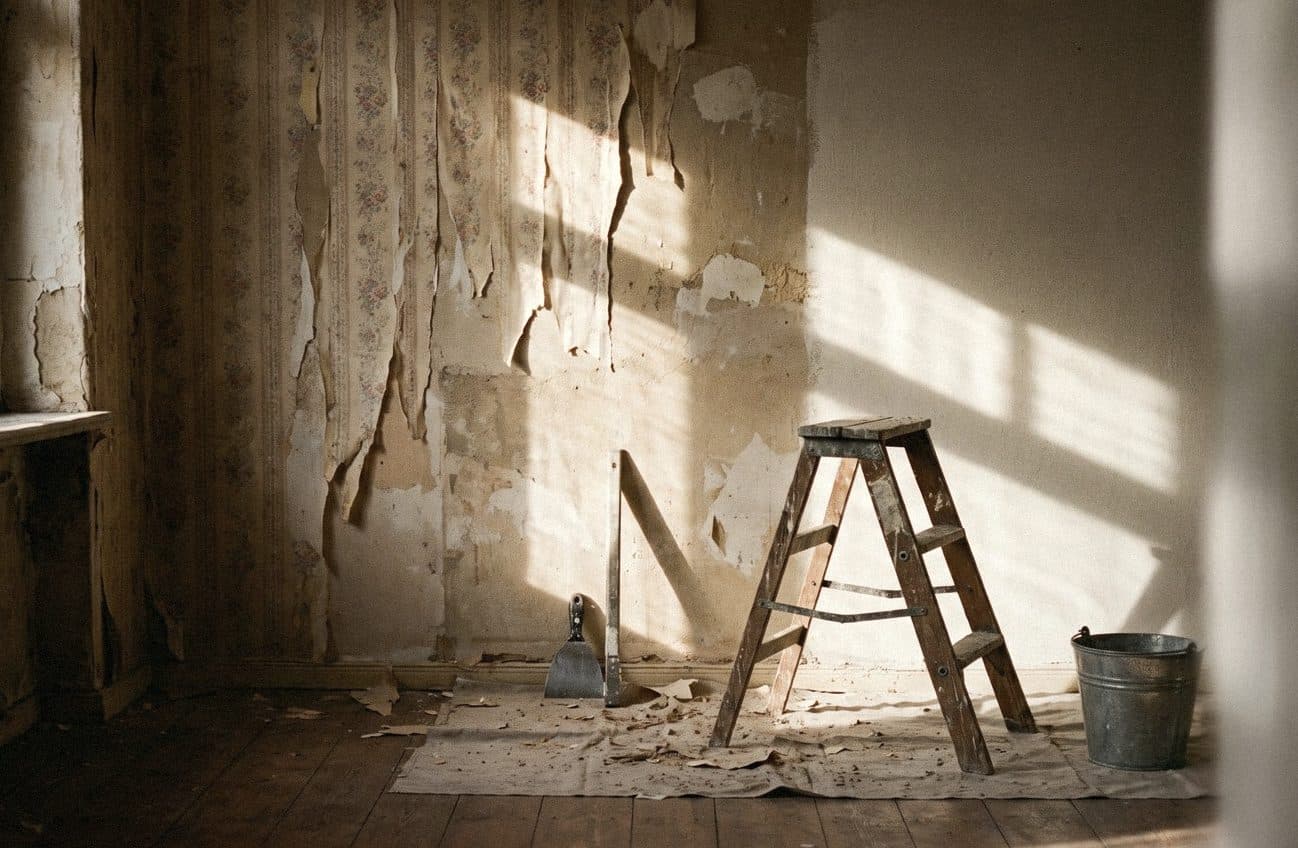
Wallpaper or paint: which suits Thai homes that are humid all year round?
Wallpaper gives you patterns paint can't. Paint gives you peace of mind wallpaper can't. Choose what suits your walls and our weather.
Read article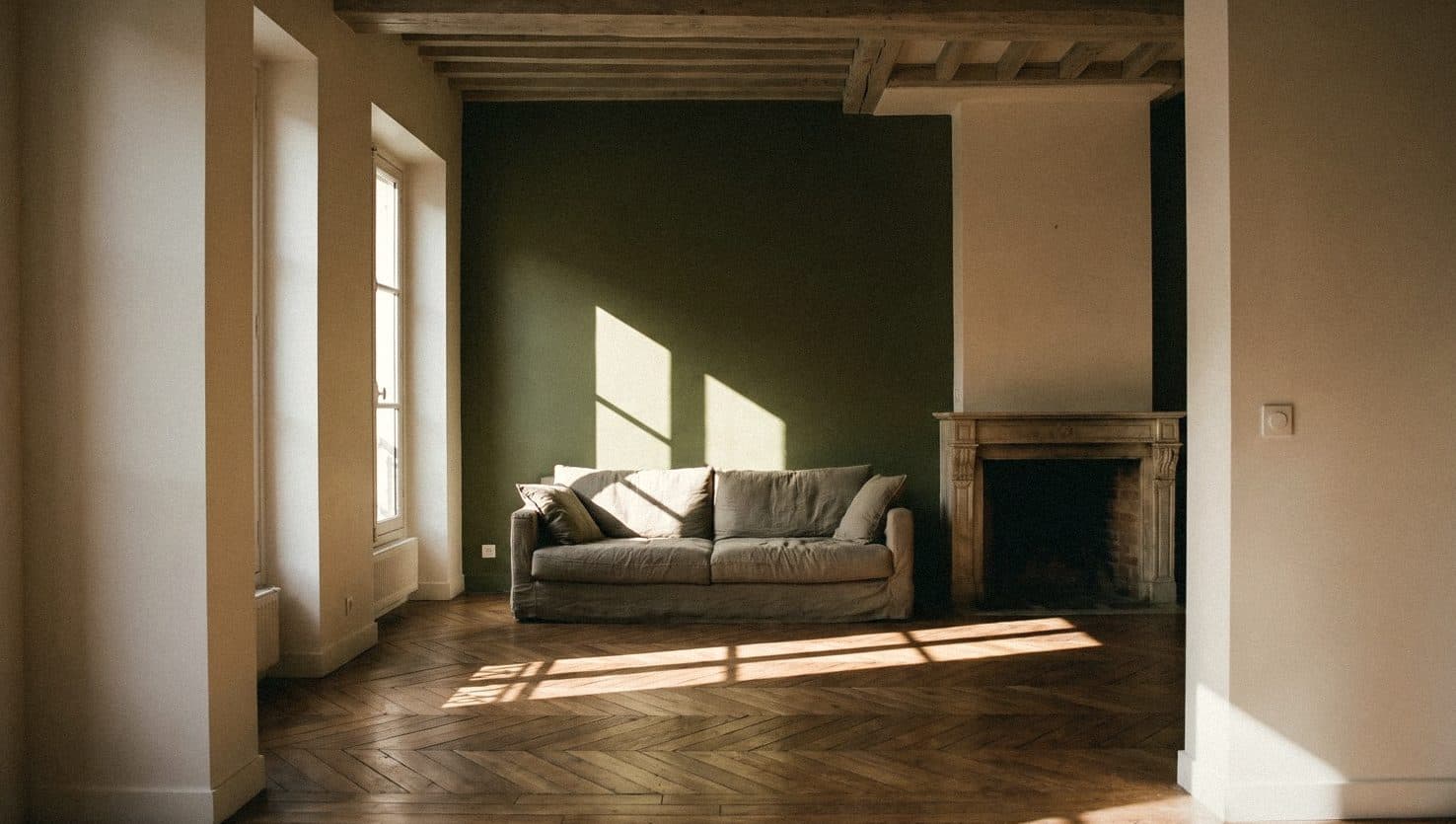
Feature walls, painting one wall, or two-tone walls: ideas that make a room look intentional
One feature wall turns an ordinary room into one that looks intentional. Just choose the right wall, then be a little braver.
Read article