


English-style homes: from cottage to townhouse, how to make them warm without looking dated
Dark green, warm white, panelled walls and table lamps. A style that makes a home look lived in for years, even if you moved in yesterday.
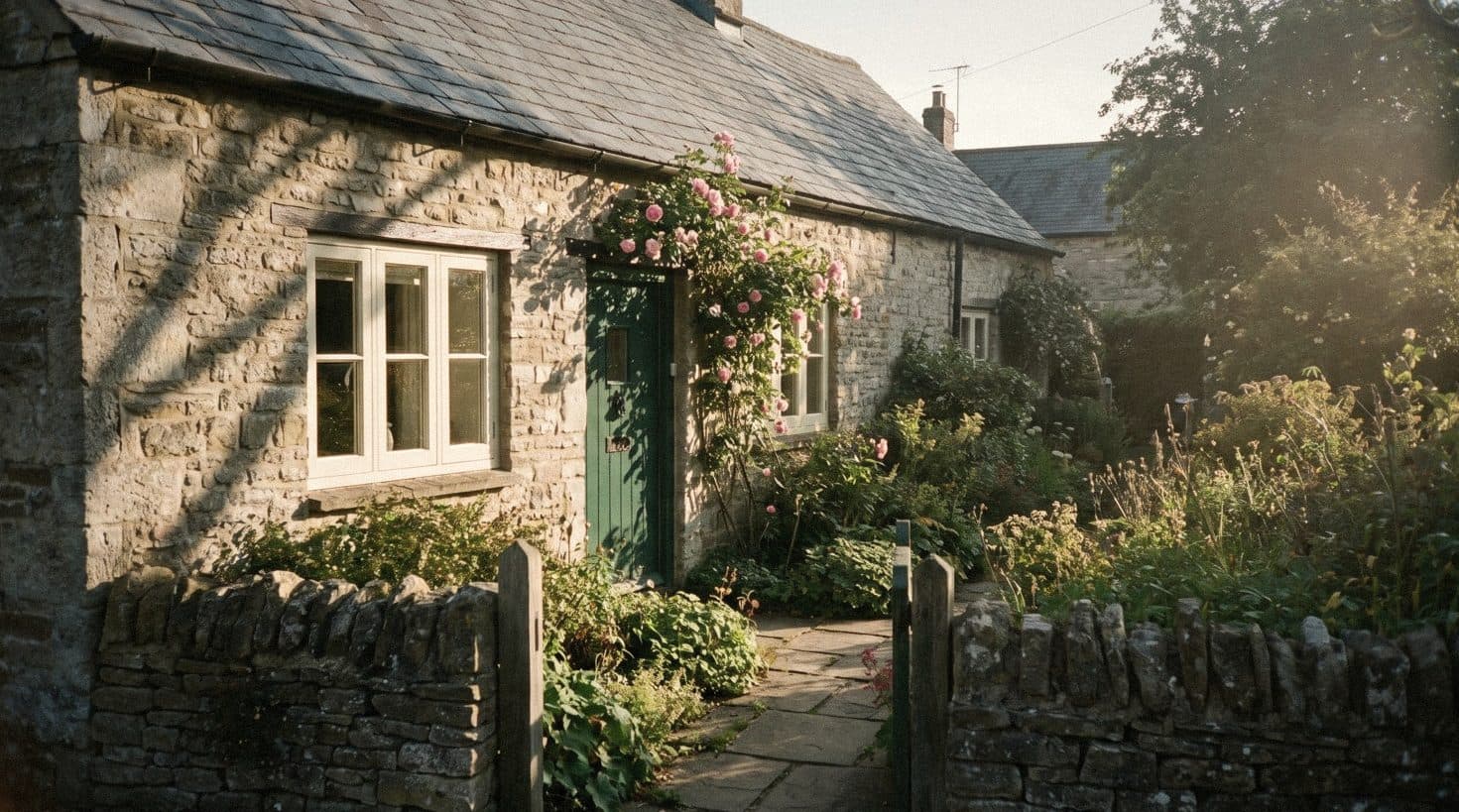
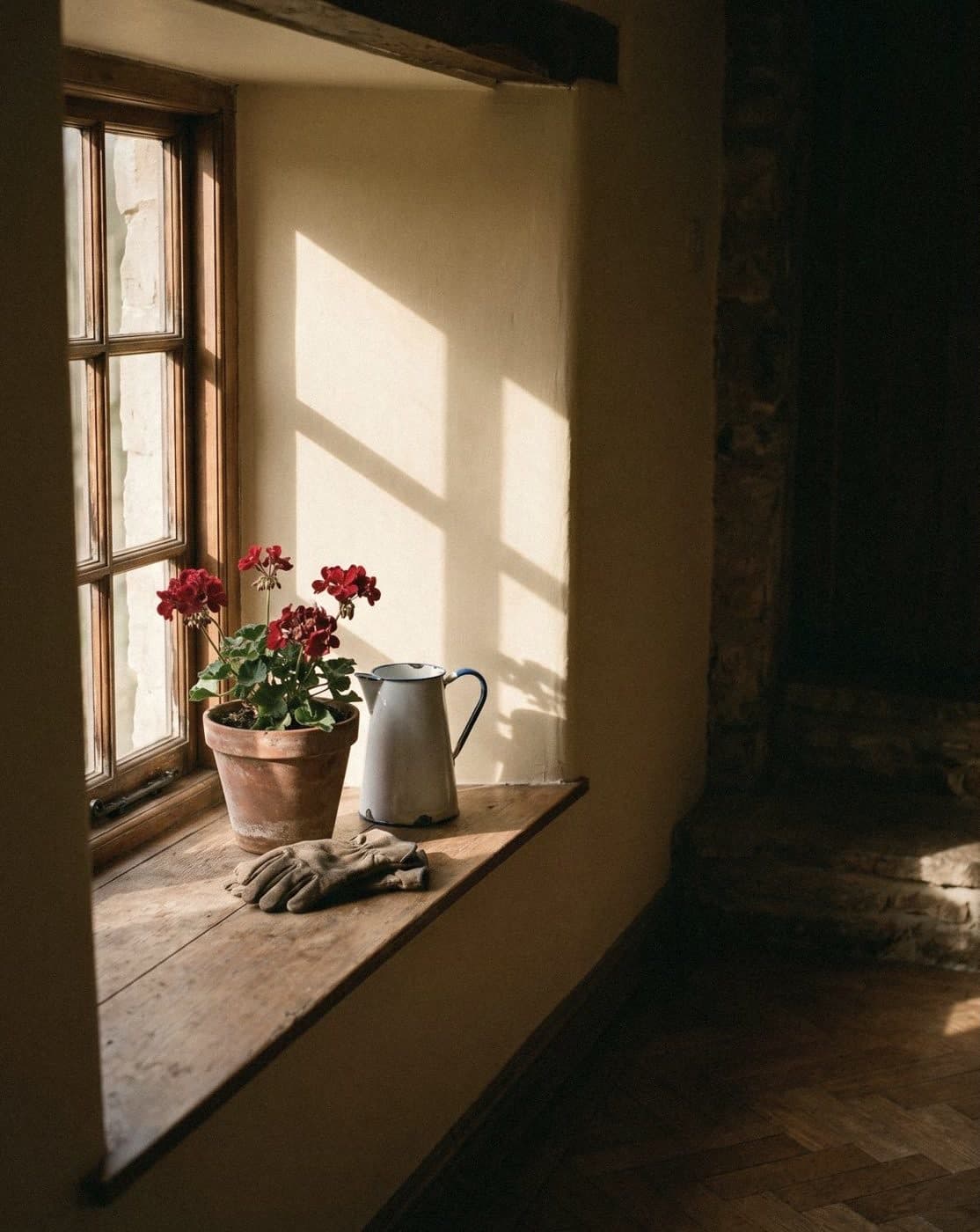
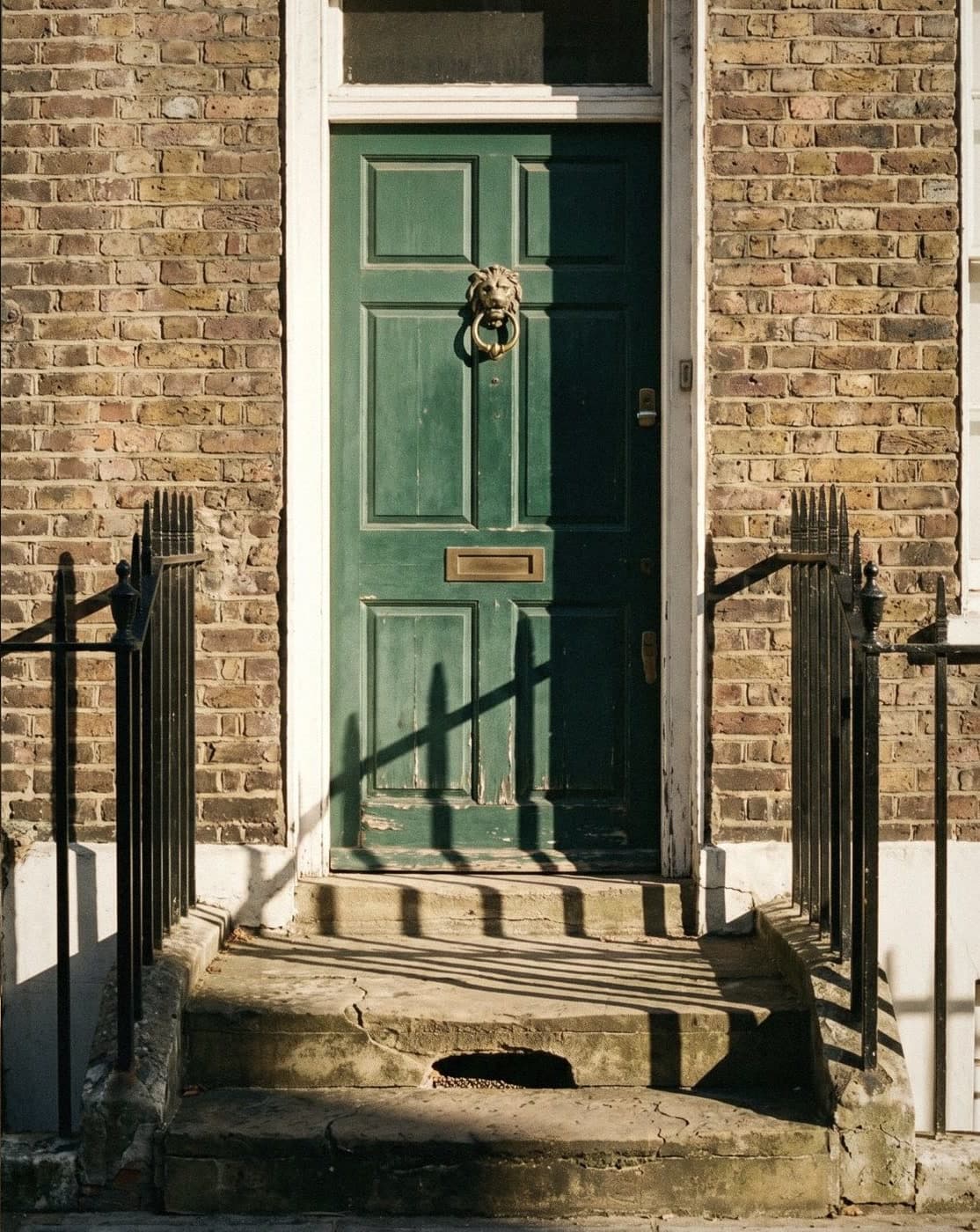
An English-style home is about warmth with a story. It uses heritage wall colours such as dark green, creamy white and stone, walls with mouldings or wood panelling, wooden furniture, and floral and check fabrics, layered so the home looks as if it has gathered things over many years. Roughly, it comes in two moods: the cosy country cottage, and the elegant, orderly town house.
What is an English-style home, and why does it feel so warm?
The English-style home doesn't come from a single period. It's a mix of several: the neat symmetry of Georgian houses, the dark colours and dense patterns of the Victorian era, and the craftsmanship of Arts and Crafts, through which William Morris made fabric patterns and botanical prints the image of the English home to this day.
The heart of the style is the feeling that a home is really lived in. Things don't have to match: one chair from an antique shop, a lamp from your grandmother's house, books piled on the table by the sofa. It's like a favourite cardigan you've worn for years, a little stretched and a little baggy, but more comforting than a brand-new one.
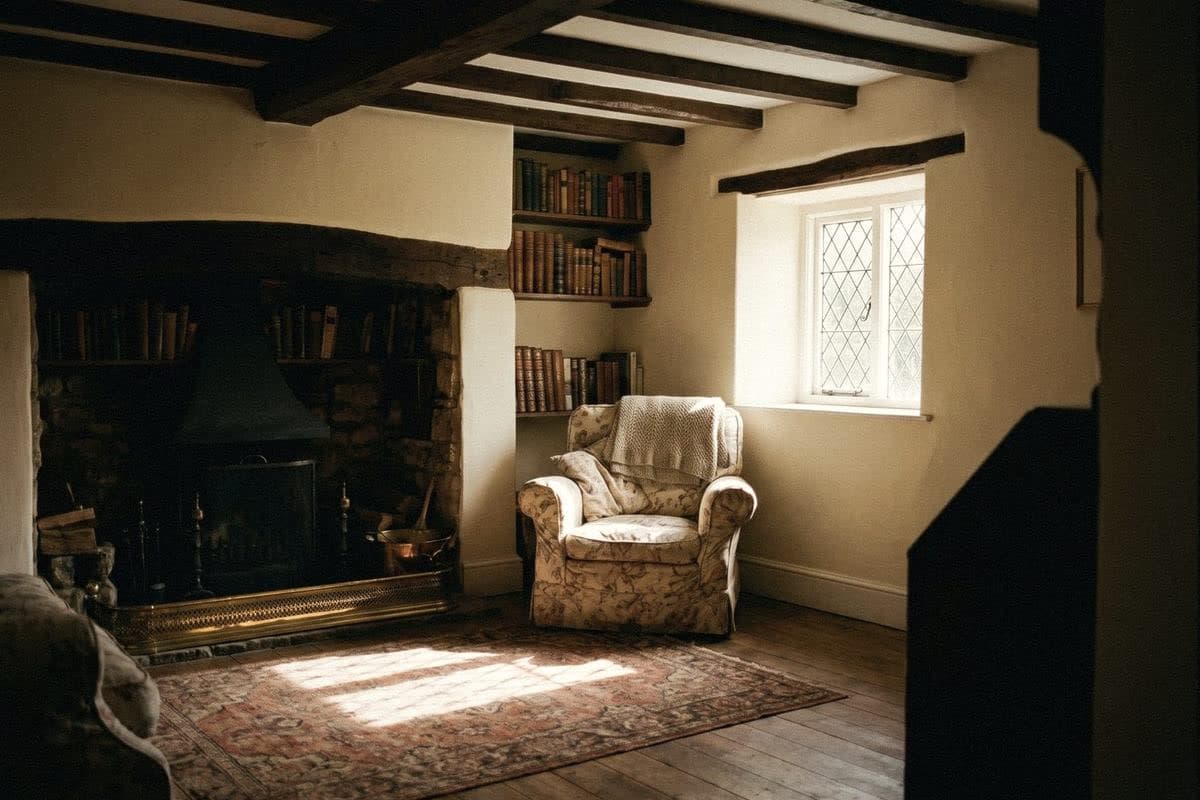
Cottage or townhouse: two moods of the English home
Before you start, ask yourself whether you want a small country house with a kettle boiling on the stove, or a town house with high ceilings where everything is placed with intent. The two take colour and materials in different directions.
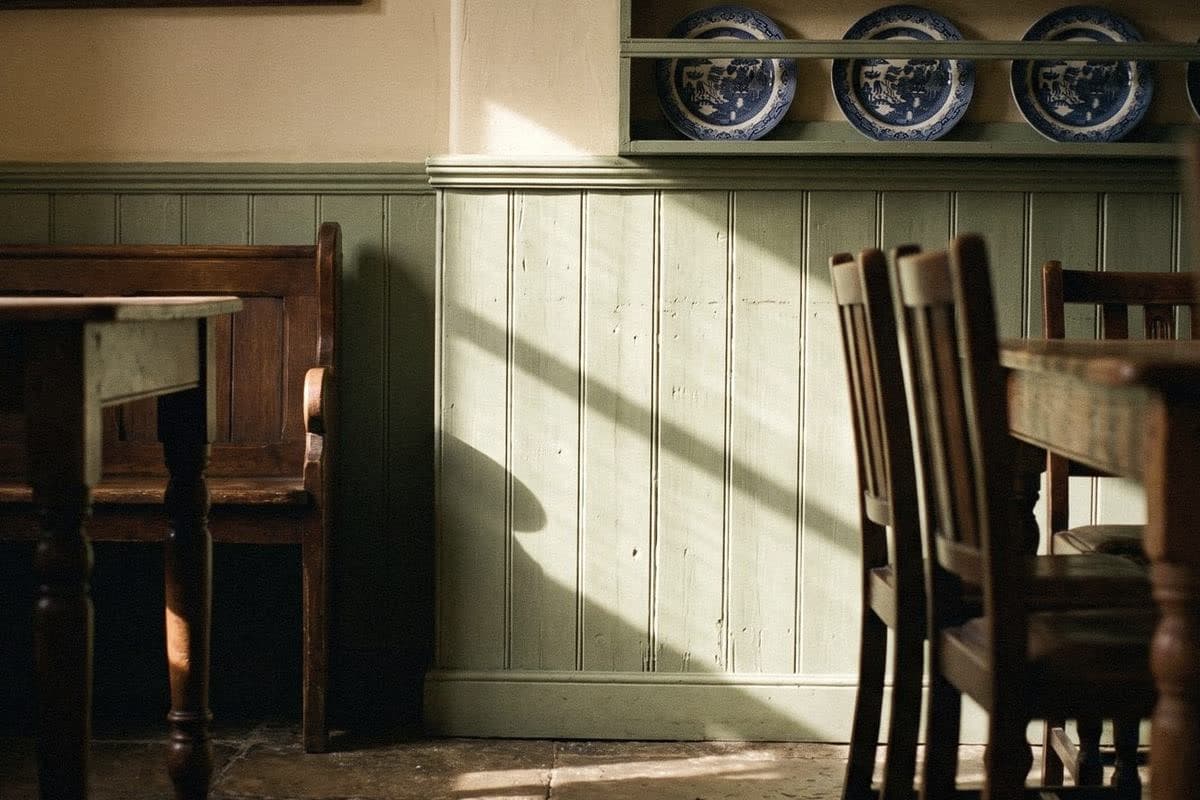
- Cottage: low ceilings, exposed wooden beams, creamy white or stone walls, small floral fabrics, mismatched wooden furniture, a dresser of china plates, flowers in a vase. A relaxed mood that doesn't need to be perfect.
- Townhouse: a tall, deep terraced house in town with high ceilings, big windows, a fireplace with a mantel, ceiling and wall mouldings, and things arranged symmetrically. Wall colours are deeper and look distinguished.
- What both share: several table lamps instead of a single ceiling light, layers of different fabrics, books, framed paintings, and wood floors or old rugs.
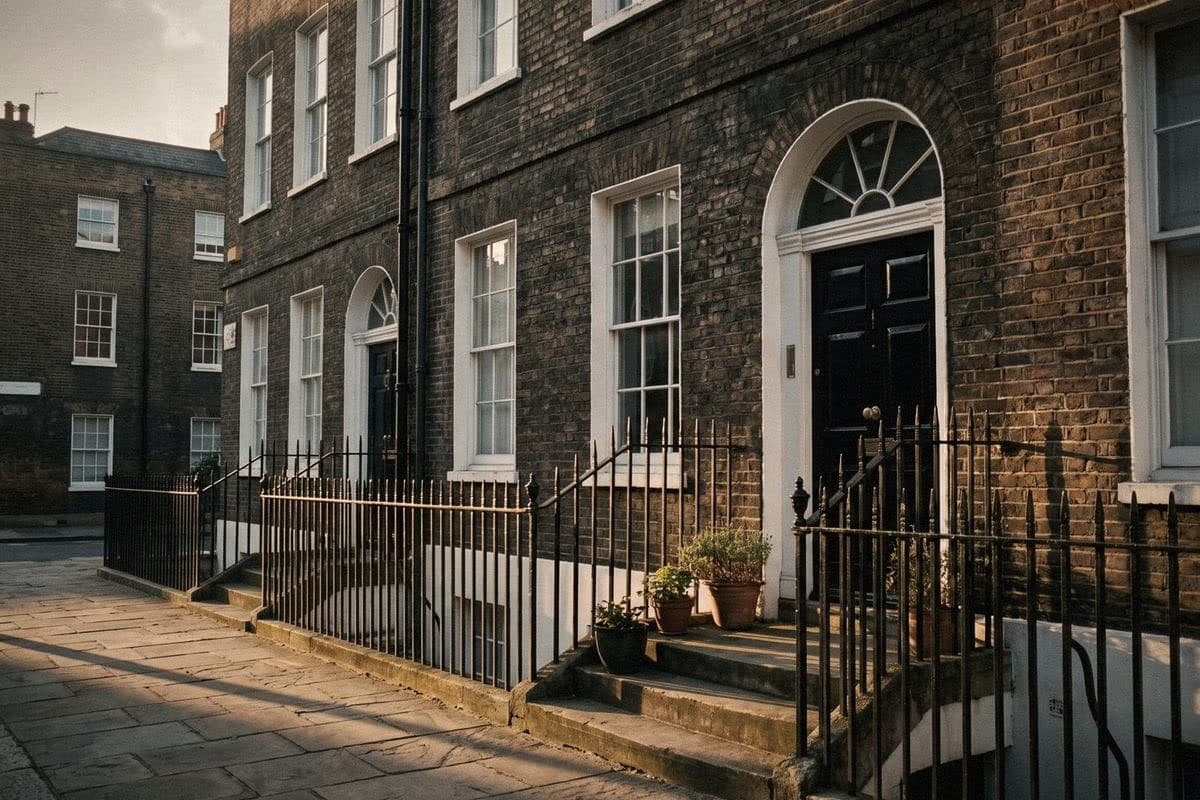
English-style home colours: dark green, warm white and stone
English home colours look as if they've been through rain and fog: not bright, not loud, but deep. The main ones are a dark pine-forest green, a soft yellowish white instead of stark white, grey stone, navy, and an old brick red for accents.
The trick that makes a room look expensive straight away is painting the walls, mouldings and door frames the same colour, or very close to it. The room reads as one piece, like a suit with jacket and trousers cut from the same roll of cloth. If you're not ready for a dark colour in a whole room, start with a small one such as a reading room or guest bathroom.
- Warm living room: warm white or linen beige walls, with check fabrics and dark wood
- Reading room or study: dark green throughout, with brass lamps and wooden bookshelves
- Bedroom: a light stone colour or creamy white, with small floral fabrics and an upholstered headboard
- Front door: navy, dark green or brick red, giving the house a face like a London terrace
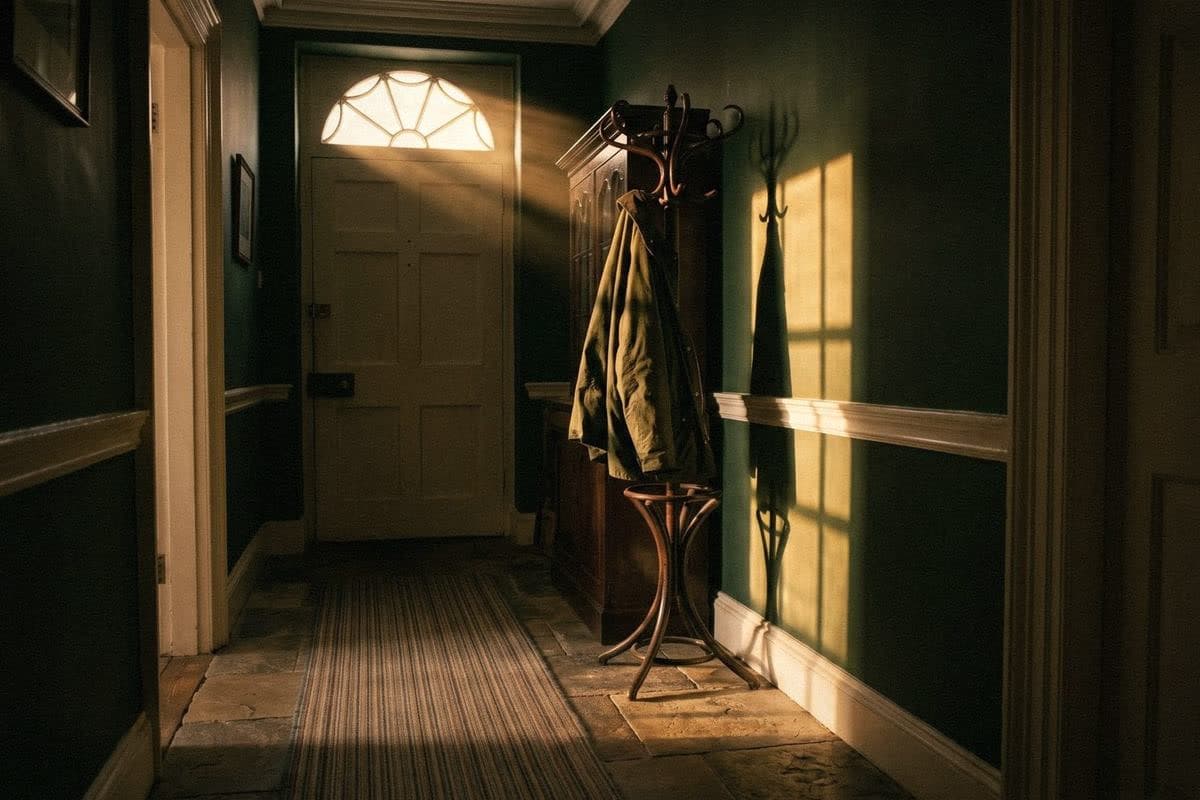
Mouldings, panelling and the layers that give a home a story
English homes hardly ever have plain, bare walls. Walls are usually divided by mouldings or panelling: wood panelling on the lower half with paint or fabric above, or a single rail running across the middle. All of this gives a room proportion and detail without adding a single object.
The good news is you can do it without knocking out walls. Fix ready-made moulding to the wall in rectangular frames, then paint over it in the same colour as the wall. You get the panelled look of an old house on a budget you can manage. Then add layers, one at a time.
- Fabric: small florals, checks and stripes can be mixed, as long as you keep the colours close and vary the pattern sizes
- Furniture: a classic leather sofa, a high-backed upholstered chair, an old wooden table, a china dresser
- Light: several warm table and floor lamps, switched on together in the evening instead of the ceiling light
- Collected things: framed paintings in several sizes, books, china, plants in terracotta pots
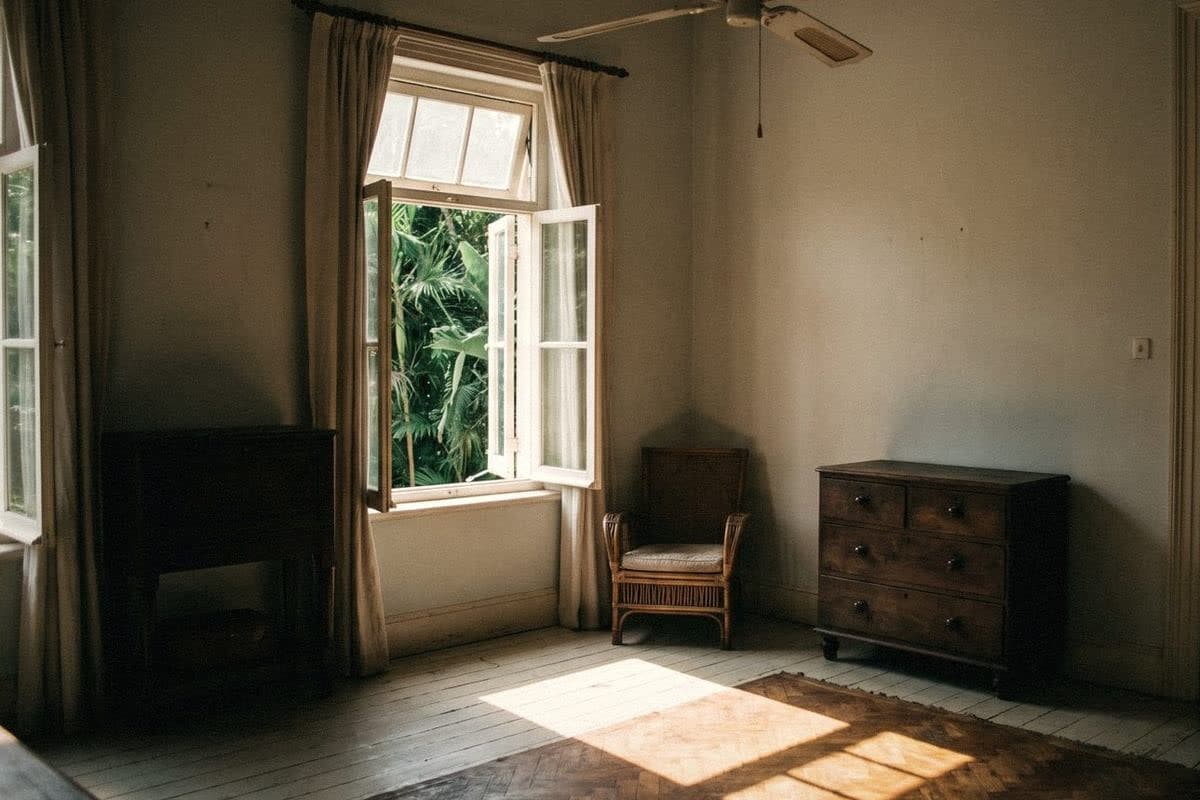
Making the English-style home work in a hot, humid climate
The English home was made for cold and fog, while ours has strong sun and humidity all year. Copy the whole look and the heavy fabrics, wall-to-wall carpet and floral wallpaper can easily become a home for mould. The better way is to keep the mood but change the materials.
One advantage many people miss is that Thai shophouses and English terraced houses look very alike: narrow, deep, high-ceilinged, with the stairs in the middle. An old shophouse makes an excellent canvas for the townhouse look. If you want walls with the age of plaster in an old house, a matt surface with depth such as Voqe Mineral Finish gives you that mood without waiting for the walls to age.
- Put pattern on removable, washable fabrics instead of floral wallpaper across a whole wall
- Choose small rugs you can roll up or wash instead of wall-to-wall carpet
- Linen or cotton curtains instead of heavy velvet; they breathe better
- Dark colours suit air-conditioned rooms and rooms that don't get direct afternoon sun
- A classic ceiling fan in brass or wood suits the style and keeps the air moving
Mistakes that turn an English home into a period drama set
The line between a warm home and a cluttered one is thinner than you'd think. This style needs balance, not abundance.
- Buying matching furniture for the whole room makes it look like a showroom, not a home that has collected things over time
- Using fabric patterns all the same size makes the room look busy; mix large patterns, small patterns and plain fabrics
- Pairing bright blue-white with dark wood makes a room feel cold; warm white suits this style much better
- Using shiny plastic mouldings left unpainted; the gloss gives away that they're new
- Relying only on white downlights; all the warmth disappears the moment you switch them on
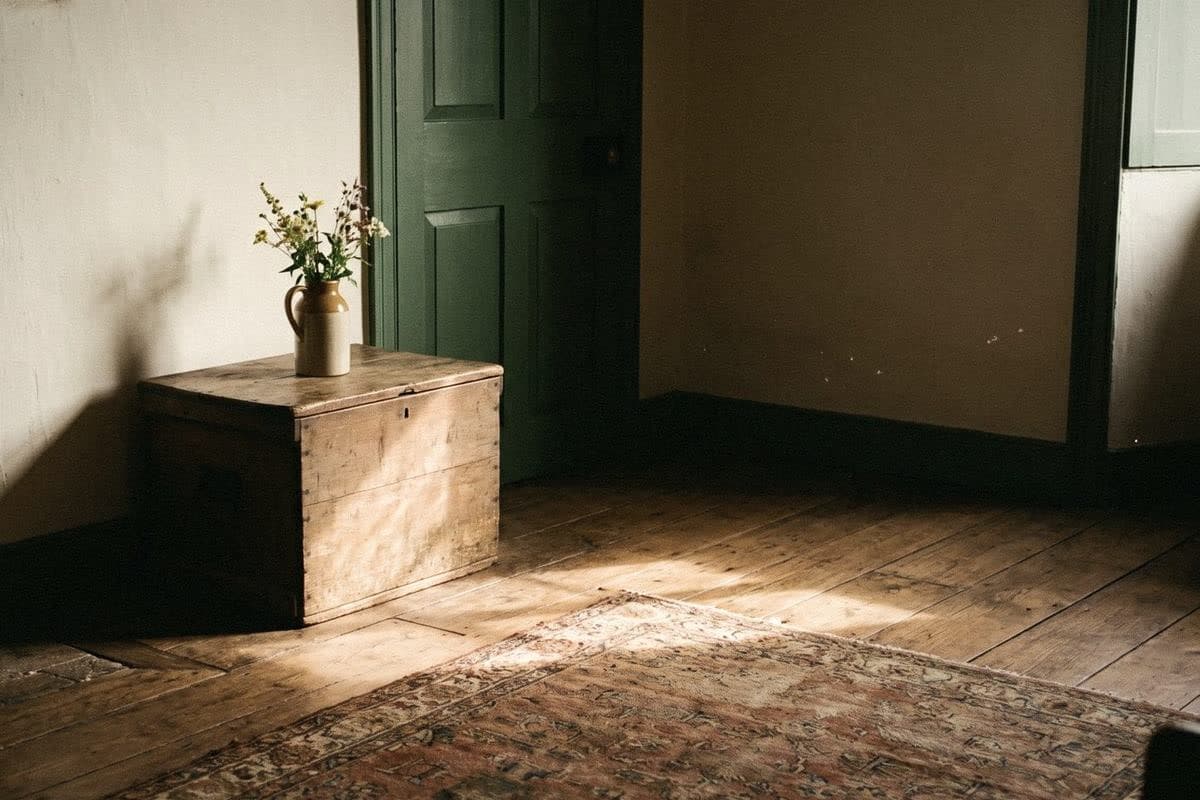
“A good English home doesn't look new. It looks as if someone has loved it for a long time.”
Frequently asked questions
What colours does an English-style home use?
The main colours are muted heritage tones such as a dark pine-forest green, creamy white, grey stone, navy and brick red for accents. Walls, mouldings and door frames are often painted the same or a very similar colour so the room reads as one piece.
How is an English-style home different from a European-style home?
The English-style home is about warmth, patterned fabrics, collected things and deep colours. The French-leaning European home is usually airier, with pale walls, ornate plaster mouldings, herringbone wood floors and fewer, more carefully chosen objects.
Does an English-style home suit a Thai house?
Yes, if you adapt the materials: washable fabrics instead of wallpaper and wall-to-wall carpet, lightweight curtains, and dark colours only in rooms without afternoon sun. Narrow, deep, high-ceilinged Thai shophouses suit the English townhouse look especially well.
Can I make English-style panelled walls myself?
Yes. Fix ready-made moulding to your existing wall in frames, fill the joins, then paint the wall and mouldings together in one colour. You get the panelled look of an old house without knocking out walls.
What is cottage style?
Cottage is the English country house style: low ceilings, exposed wooden beams, creamy white walls, small floral fabrics and mismatched wooden furniture, for a warm, relaxed mood that doesn't need to be perfect.

Colour on a screen never matches colour on a wall
Order a sample to paint at home, or come and see the full shade library at Voqe Studio, Bang Phli.
Take the quiz to find the right colourRead next

What home decor styles are there? 12 popular styles, all on one page
Minimal, Nordic, Muji, loft: they sound alike but they are not the same. Here are 12 interior styles on one page, with the materials and wall colours that suit each.
Read article
European-style homes: mouldings, panelling, herringbone floors and Parisian plaster walls, luxurious but not overdone
Forget a chandelier in every room. Today's European home is elegant like a white shirt and a single pair of pearl earrings.
Read article
What is Mid Century Modern? The mid-century style that still looks great in Thai homes today
Slender chair legs, warm teak and the mustard of a 1960s film. Your grandmother's house may already have the whole style.
Read article