


European-style homes: mouldings, panelling, herringbone floors and Parisian plaster walls, luxurious but not overdone
Forget a chandelier in every room. Today's European home is elegant like a white shirt and a single pair of pearl earrings.
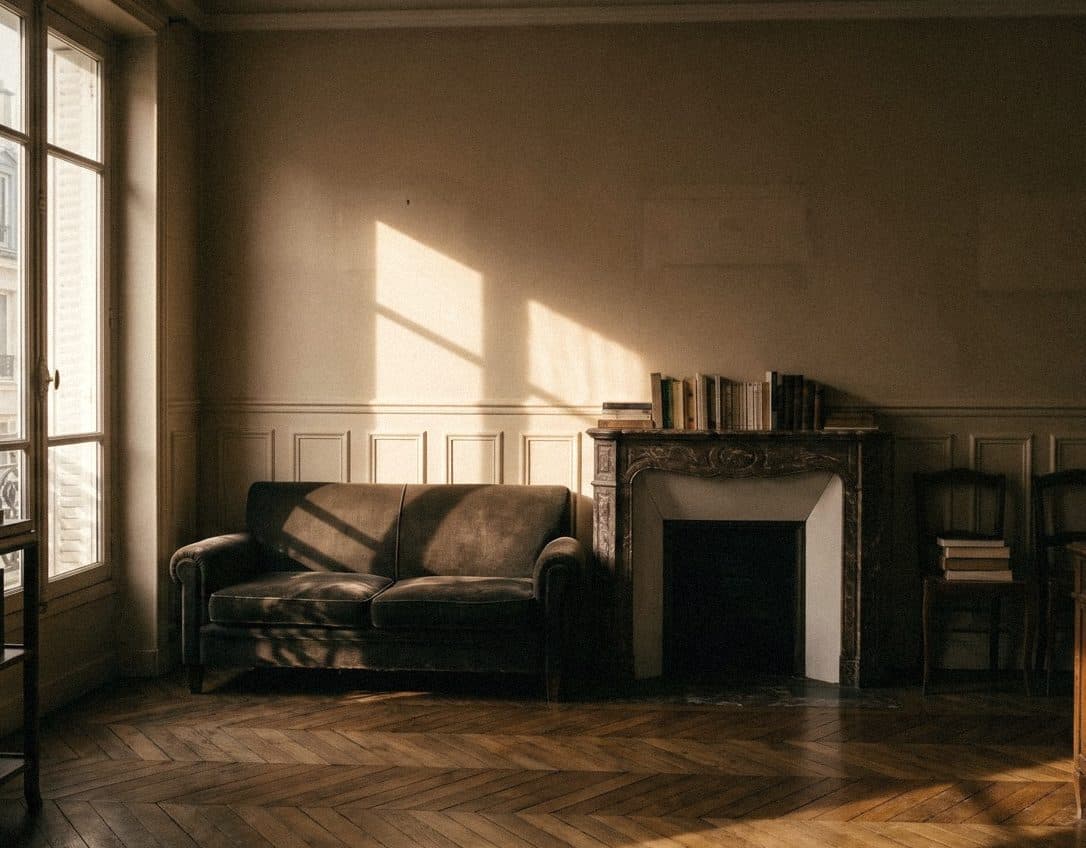
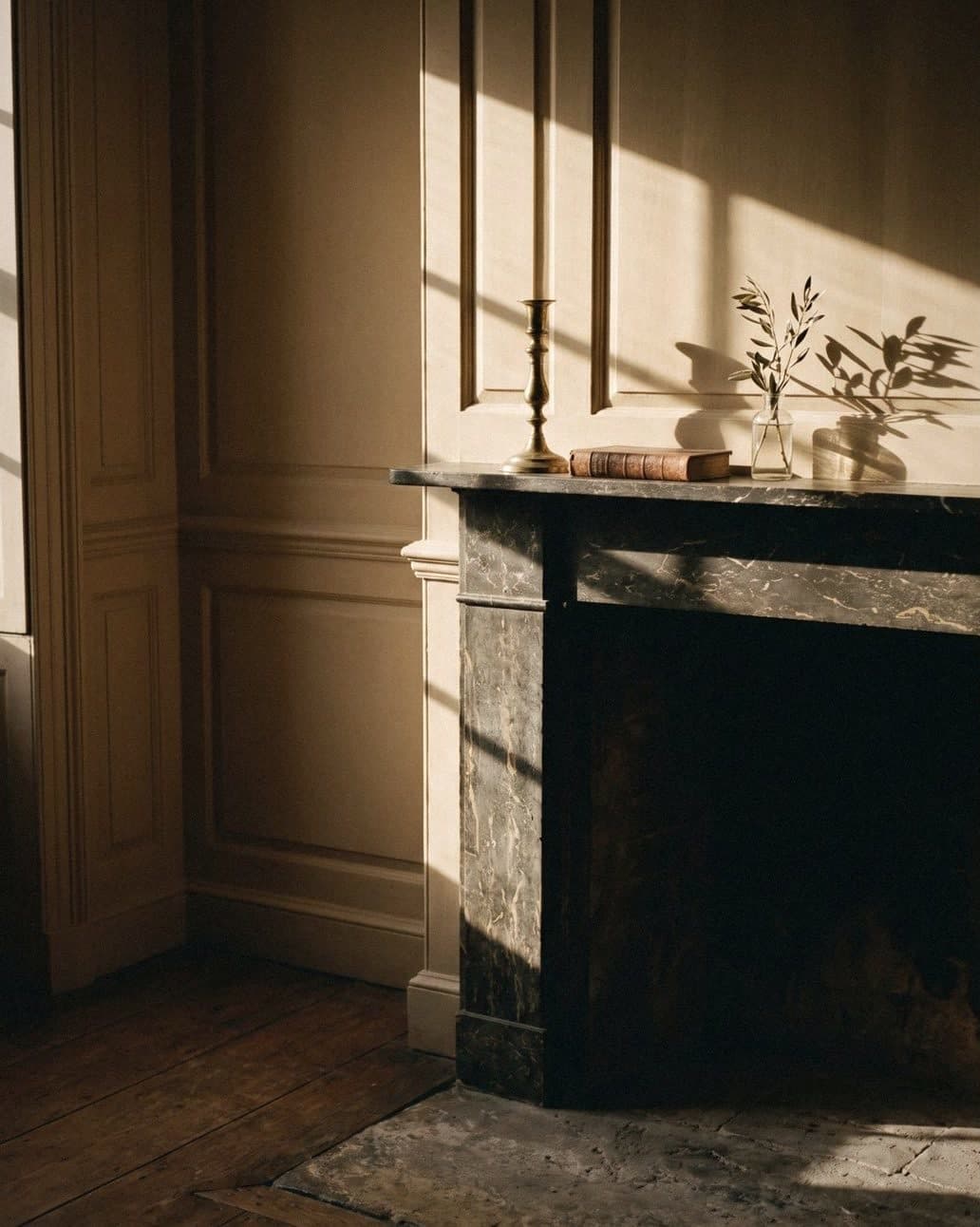
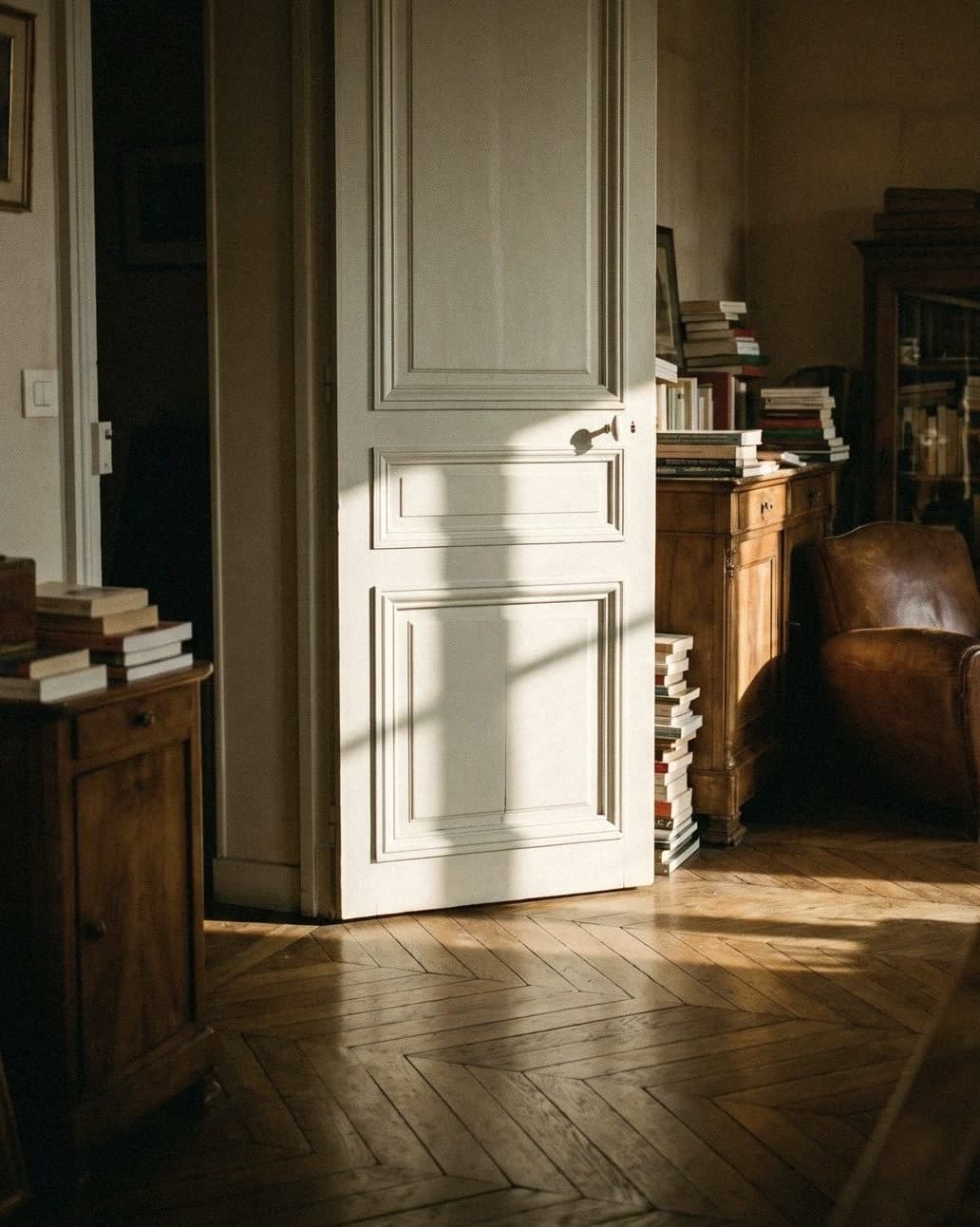
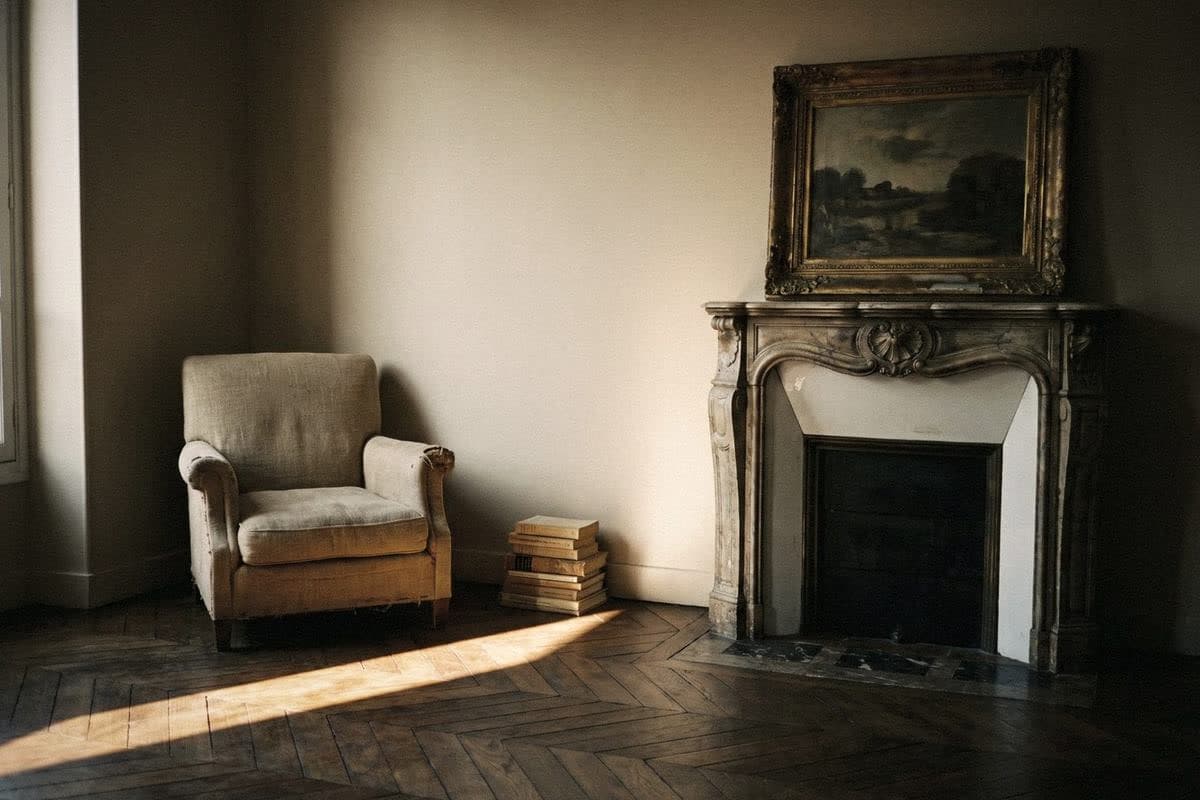
A European-style home is decorated with the classic elements of European houses, such as wall and ceiling mouldings, wall panelling, herringbone wood floors, tall doors and windows, and matt lime-plaster walls. The most popular look right now is the Paris apartment, which uses warm white or light grey walls as a backdrop and mixes in contemporary furniture, so it looks elegant but not overdone.
What is a European-style home?
Europe is a big continent with many kinds of houses, from country cottages to palaces. But when Thai people talk about a European-style home, they usually mean a classic house with mouldings, panelling, columns and tall, airy proportions.
Lately, the picture people want has shifted from palatial luxury to the old Paris apartment: high ceilings, white walls with mouldings, old wood floors, and only a few pieces of furniture, each with a story. It's still elegant, but it's the elegance of someone who doesn't have to try.
In fashion terms, it's giving up full evening dress for dinner and wearing a good white shirt and a single pair of pearl earrings instead.

The key elements of a European-style home
A good-looking European home usually uses only a few things from this list, but uses them in the right places.
- Wall, ceiling and skirting mouldings: the lines that give a wall a sense of class
- Wall panelling: rectangular frames on the wall, painted the same colour as the wall
- Herringbone or chevron wood floors
- Tall double doors and windows with slim frames
- A fireplace or marble mantel; in Thailand it can serve as a display shelf instead
- One classic light fitting per room is enough
- Matt lime-plaster walls with depth in their light and shade
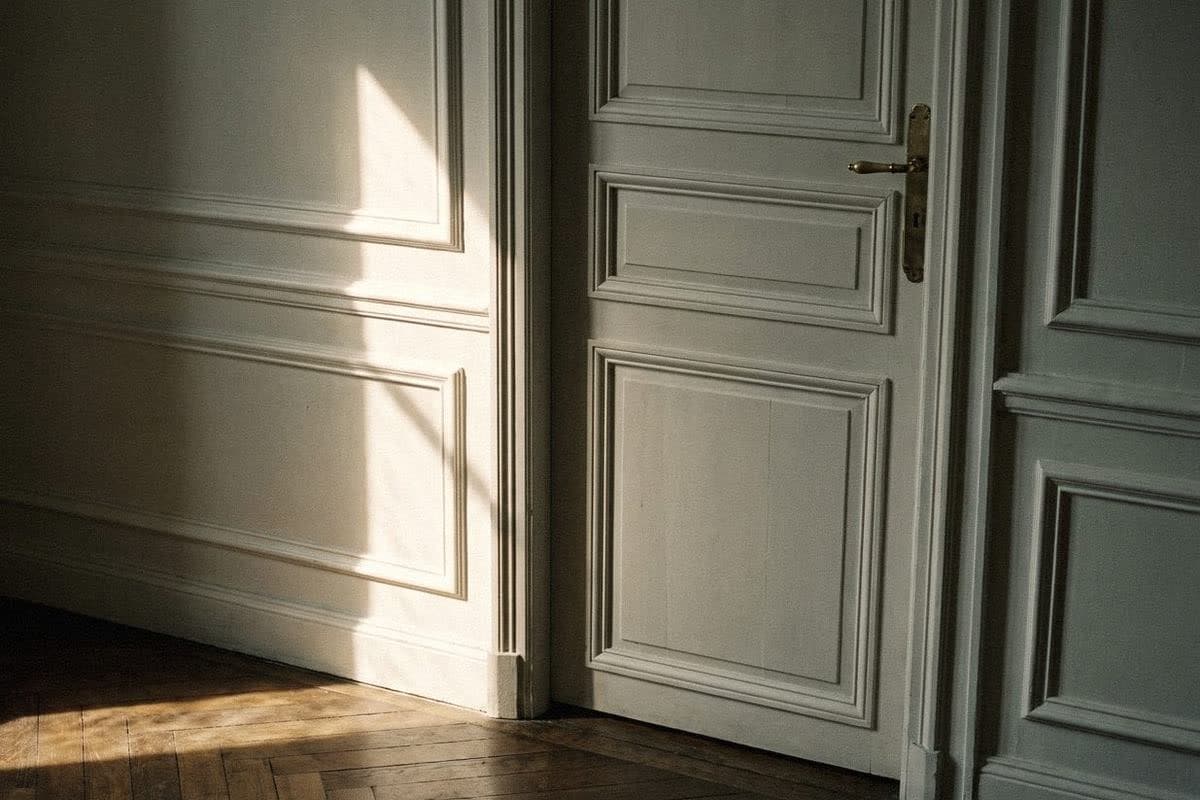
The Paris apartment look: effortless elegance
The Paris apartments people love usually come from old buildings put up during the city's great 19th-century replanning: high ceilings, windows reaching the floor, walls with mouldings and panelling, and herringbone wood floors.
The charm is in the mix: a classic room with a modern sofa, an old wooden table with a contemporary lamp, books piled on the floor, art leaning against the wall. Most walls are warm white or creamy grey, leaving the mouldings and the light to do the work.
In a Thai condo with a low ceiling, try panelling just the wall behind the bed or one wall in the living room, then paint it the same colour as all the other walls. You get the Paris look without the room feeling cramped.
Matt lime-plaster walls: the heart of today's European home
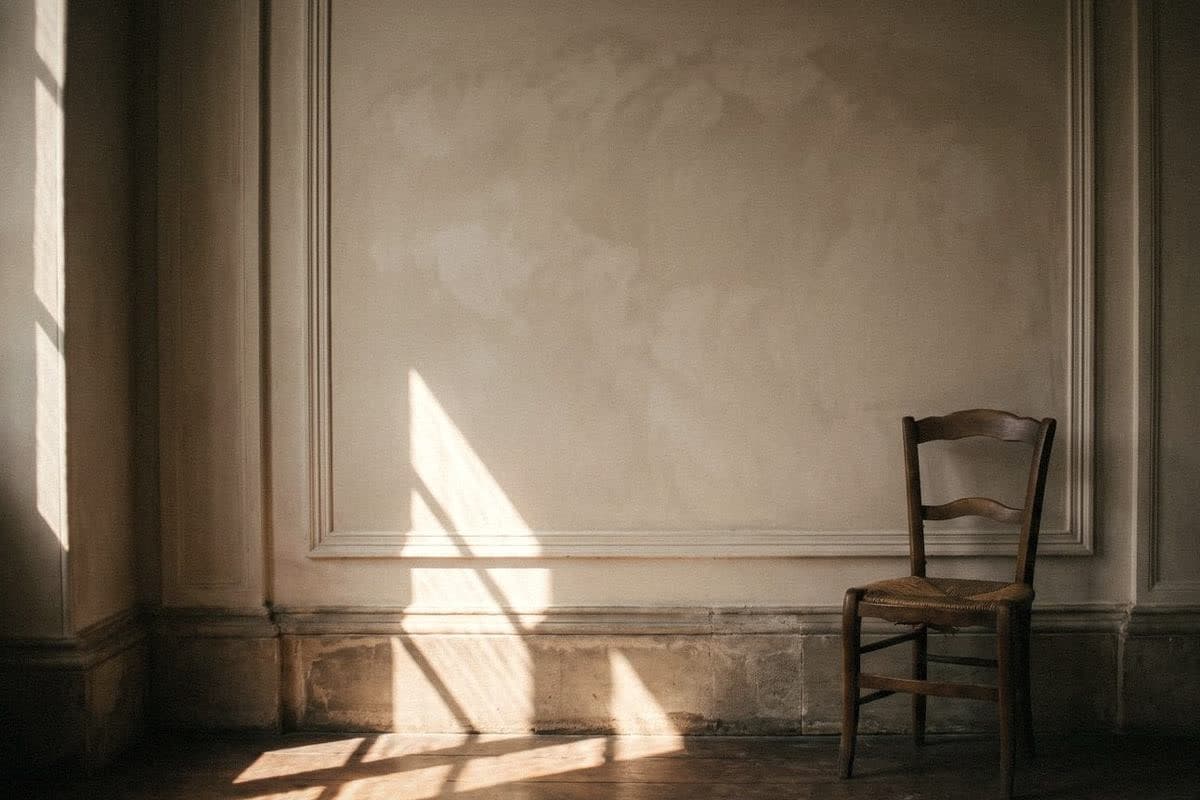
Many old European houses have walls plastered in lime, or painted with limewash, which is made from lime (calcium hydroxide) mixed with water and pigment. As it dries, the lime absorbs carbon dioxide from the air and turns back into limestone, so the surface is matt and chalky, with cloud-like depth, and it lets moisture escape.
The look is popular again because it instantly gives a plain wall age and warmth, and it sits well with mouldings, panelling and wood floors. The important point is that traditional limewash has to go on an absorbent surface, such as bare plaster, brick or stone. It isn't suitable for walls already painted with acrylic.
If you want this surface on a plastered wall in a Thai home, Voqe Mineral Finish is a limewash-style mineral paint applied over primer. Two shades are applied in alternating directions for the light-and-shade pattern of a European plaster wall.
The European home colour palette
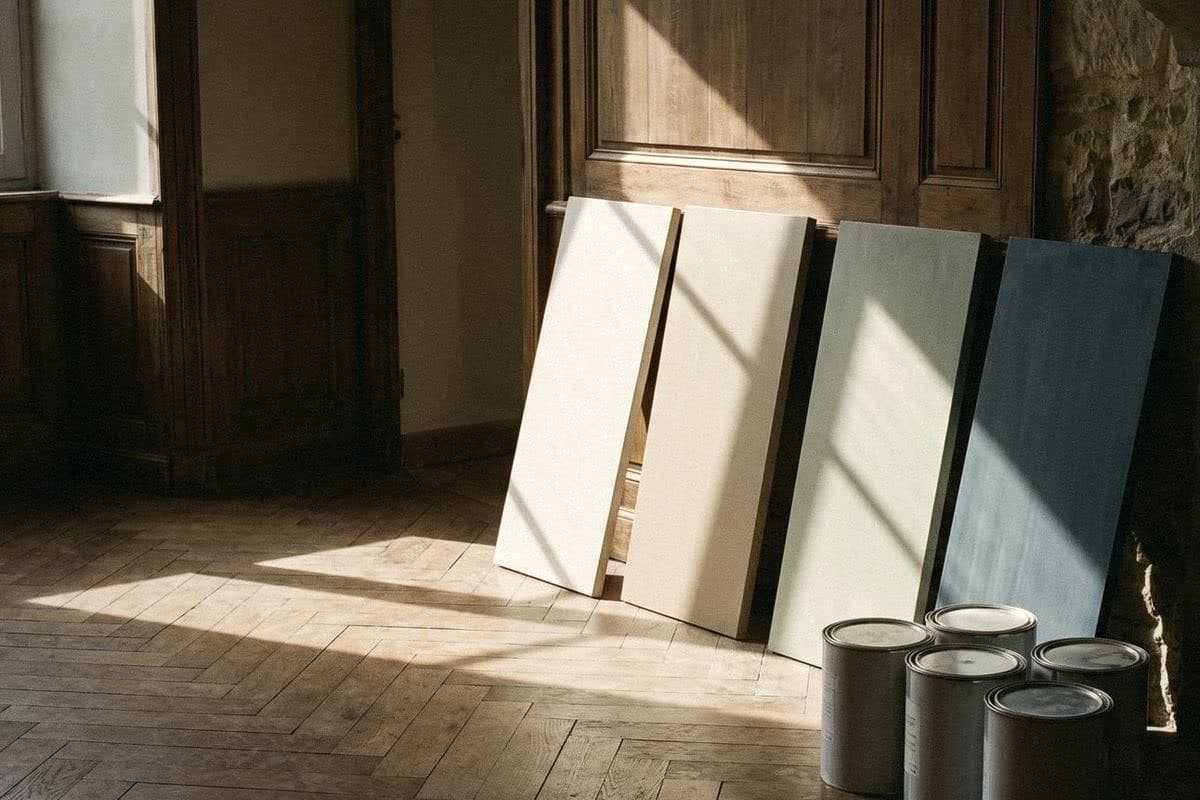
The contemporary European home no longer relies on gold or red velvet. The main colours are warm white, cream, beige-grey and stone tones, which let the mouldings and shadows stand out.
If you want colour, try muted green, grey-blue or greyed pink in bedrooms and reading rooms. Painting the wall, panelling and mouldings all in one colour looks more elegant than white mouldings picked out against the wall.
- Living room: warm white or creamy grey, mouldings the same colour as the wall
- Bedroom: greyed pink or warm beige
- Reading room: muted green or deep blue
- Entrance and hallway: a plaster-effect wall in stone tones
A European home in Thailand, without overdoing it
The most common mistake with a European-style home is putting in everything at once: layers of mouldings, a chandelier in every room, ruffled curtains, lion-paw furniture. The result looks like a hotel function room.
The safer formula is to choose two or three classic elements and keep everything else simple. As for climate, Thailand is hot and humid, and heavy fabrics and long-pile rugs hold moisture and dust. Choose linen and flat-woven rugs instead.
- Choose simple mouldings, not carved ones
- Use panelling on only some walls
- One classic light fitting per room is enough
- Mix in contemporary furniture for at least half the room
- Paint mouldings and walls the same colour

“The most beautiful European homes don't have the most things. They have the right moulding in the right place.”
Frequently asked questions
What is a European-style home?
A European-style home is decorated with classic elements such as wall and ceiling mouldings, wall panelling, herringbone wood floors, tall doors and windows, and matt lime-plaster walls. The popular look right now is the Paris apartment: elegant but simple.
What colours does a European-style home use?
The main colours are warm white, cream, beige-grey and stone tones. If you want colour, use muted green, grey-blue, greyed pink or deep blue in some rooms, and paint the mouldings the same colour as the walls for a more elegant look.
Can I get the Paris apartment look in a condo?
Yes. Add panelling or mouldings to just one wall and paint it the same colour as the rest of the room, use a herringbone wood-look floor or a large rug, then mix contemporary furniture with a few old pieces.
Can limewash go over existing paint?
Traditional limewash needs an absorbent surface such as bare plaster, brick or stone, so it isn't suitable for walls already painted with acrylic. If a wall has been painted before, use a limewash-style paint designed to go over primer, following the manufacturer's instructions.
How is a European-style home different from an English-style home?
The European home popular in Thailand usually draws on the French look: high ceilings, white walls with mouldings and herringbone floors. The English home is warmer and more layered, with floral fabrics, wood wall panelling and deeper colours such as dark green or warm stone tones.

Colour on a screen never matches colour on a wall
Order a sample to paint at home, or come and see the full shade library at Voqe Studio, Bang Phli.
See plaster-look Mineral Finish shadesRead next

What home decor styles are there? 12 popular styles, all on one page
Minimal, Nordic, Muji, loft: they sound alike but they are not the same. Here are 12 interior styles on one page, with the materials and wall colours that suit each.
Read article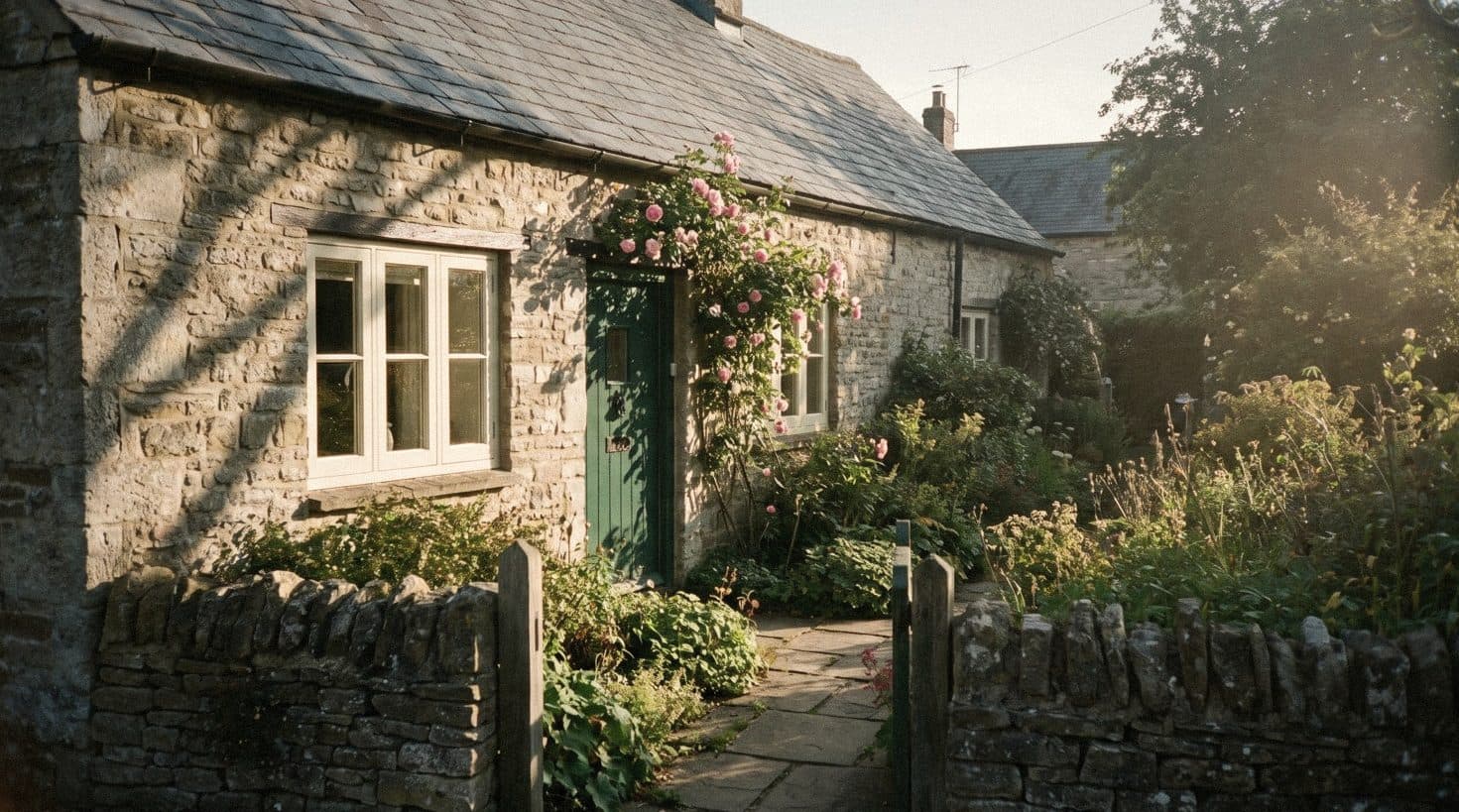
English-style homes: from cottage to townhouse, how to make them warm without looking dated
Dark green, warm white, panelled walls and table lamps. A style that makes a home look lived in for years, even if you moved in yesterday.
Read article
Mediterranean-style homes: whitewashed walls, arches and terracotta, made for hot weather
Matt white walls that take in the sun and give it back as softness, arches, terracotta tiles and a touch of sea blue. The style of people who have lived with fierce sun for centuries.
Read article