


How is limewash different from house paint? A point-by-point comparison before you choose for your walls
One is like a raincoat over your wall, the other like skin tanned by the sun. A comparison that takes no sides.
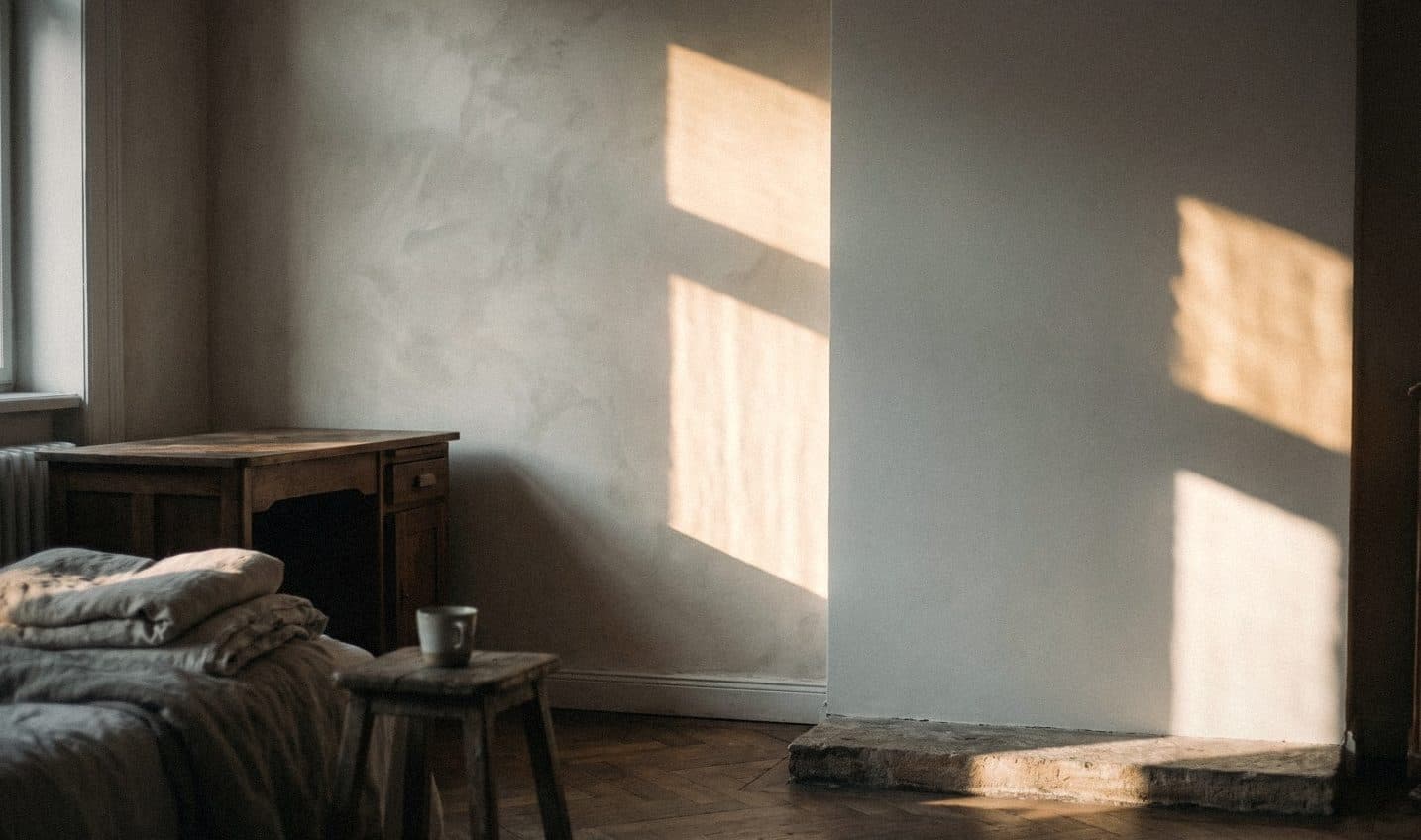


Limewash differs from ordinary house paint in that it soaks into a plaster wall and hardens back into limestone, giving a cloudy matt surface that lets moisture escape well. Acrylic house paint forms a thin film over the surface, giving even colour that can be wiped clean and goes on a wider range of surfaces. Choose limewash when you want a living surface on absorbent plaster or brick. Choose house paint when you want durability, easy care and predictable colour.
They differ in how they hold on to the wall
Acrylic house paint is like a raincoat over your wall. As the water evaporates, the paint binds into a thin film that sits on the surface. That film is what makes paint smooth, even and wipeable.
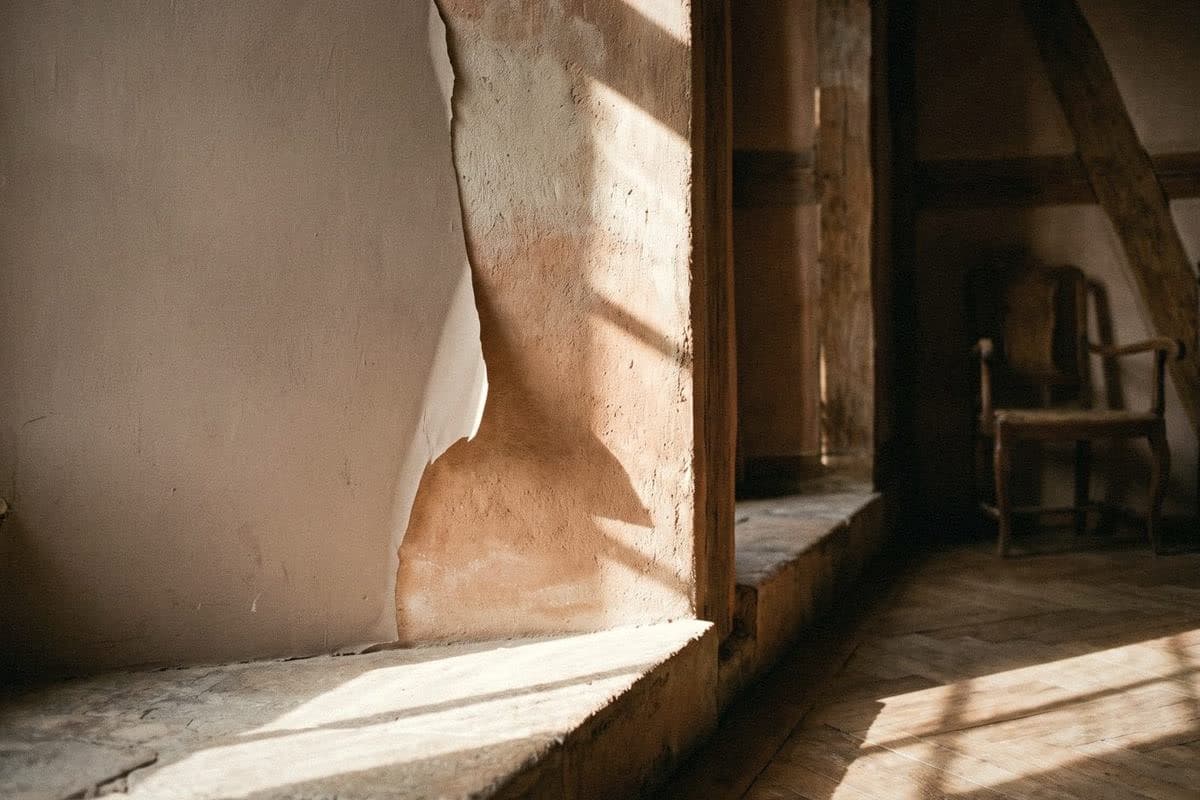
Limewash works another way. It's like skin tanned by the sun: part of the wall itself. The lime soaks into the pores of the plaster, then slowly hardens back into limestone by absorbing carbon dioxide from the air. There's no film on top. This one difference explains almost everything else.
Limewash vs house paint, point by point
A quick comparison for anyone who wants the big picture first.
- Look: limewash is chalky matt and cloudy, and changes with the light; house paint is smooth and even, available from matt to semi-gloss
- Surfaces: limewash needs an absorbent mineral surface such as bare plaster, brick or stone; house paint goes on plaster, gypsum board and correctly primed surfaces
- Breathability: limewash lets moisture escape very well; house paint less so because of its film, and it varies by brand
- Durability: limewash wears slowly and needs recoating, especially outside; house paint stands up to rubbing and weather for longer
- Cleaning: limewash can be dusted but shouldn't be scrubbed; most house paints can be wiped with a damp cloth
- Colour range: limewash comes in soft earth and mineral tones; house paint runs from white to vivid brights
- Consistency: each batch of limewash may differ slightly; house paint can be remixed to a closer match
- Safety when applying: wet lime burns skin, so gloves and eye protection are needed; water-based acrylic is easier to handle

In a hot, humid Thai home, which has the edge?
Breathability matters a great deal for walls with moisture inside them, such as old brick walls, walls in contact with the ground, or old buildings plastered in lime. Seal them with a film and the moisture has no way out, so the paint blisters or peels. This is where limewash has a clear advantage.
But to be complete: breathability doesn't fix leaks or seepage. If a wall is damp because of a leaking pipe or roof, fix the cause before painting anything. And on exterior walls hit by rain every year, limewash wears faster. A good-quality house paint on a dry wall with the right primer is still the easier-care choice for most homes.

The effort and time you pay, which isn't on the price tag
Many people only compare the price per tin, but the real cost of a wall is the effort and time it takes, both to apply and to look after for years to come.
- Limewash: dampen the wall before applying, apply several thin coats, wait for each one to harden, use an experienced hand so joins don't show as patches, and plan to recoat exterior walls from time to time
- House paint: one coat of primer, two top coats; a predictable process you can do yourself over a weekend, and it lasts a long time with hardly any attention
- What limewash gives back: a surface no one else has, and a wall that looks better with age instead of shabbier

Who should choose limewash, and who should choose house paint
There's no right answer for every home, only the right answer for each wall.
- Choose limewash if: your home is an old building plastered in lime, your walls are bare plaster or brick that has never been painted, you like a surface that changes over time, and you don't mind recoating
- Choose house paint if: you want the exact colour on the chart, the wall gets touched or played on by children a lot, it needs to be wipeable, or you want to paint it yourself and finish quickly
- Choose a limewash-style paint if: you want the cloudy matt look, but your walls are ordinary plaster that needs priming, and you want an easier process than real lime
Can you use both in the same home?
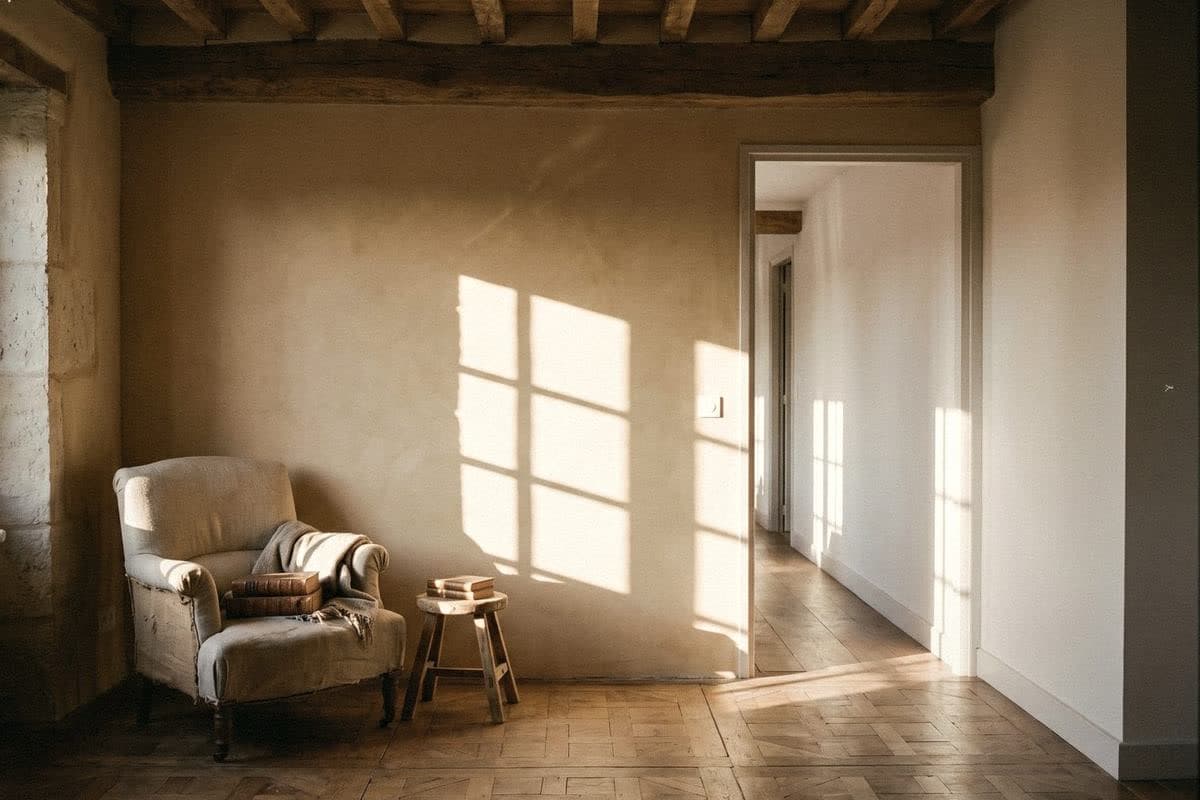
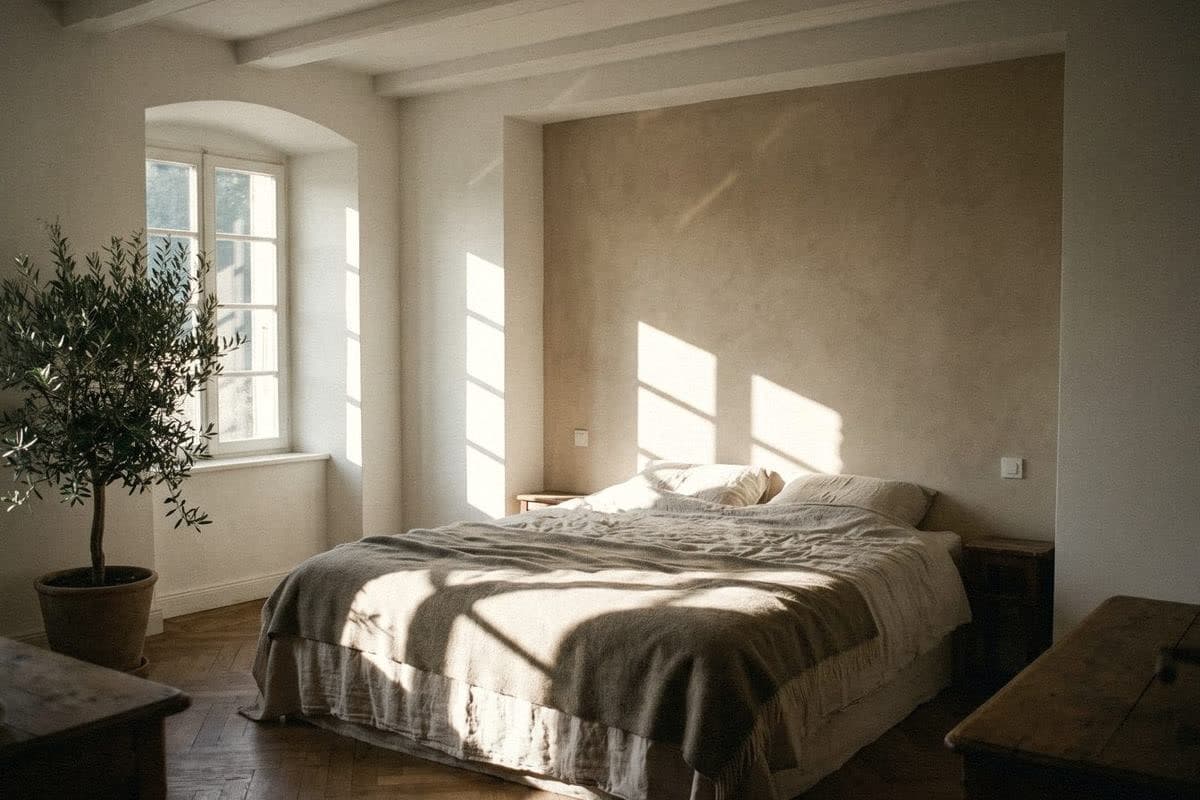
Yes, and it's often the smartest way. Give the walls that set the mood, such as the wall behind the bed, the wall behind the sofa or the entrance hall, a matt surface with depth. For hard-working walls like hallways, children's rooms and ceilings, use wipeable house paint. It's like a wardrobe with both a beautiful linen shirt and everyday T-shirts: each has its job.
The changeover between the two surfaces should fall at a corner or a clear edge, not in the middle of a wall. If you want the limewash look on a primed plaster wall, Voqe Mineral Finish is a limewash-style mineral paint applied with a brush, roller or sponge, and it sits comfortably alongside acrylic-painted walls in the same home.
“House paint is a raincoat, limewash a suntan. Both are good; they just belong to different seasons.”
Frequently asked questions
How is limewash different from house paint?
Limewash soaks into a plaster wall and hardens back into limestone, giving a cloudy matt surface that lets moisture escape well. Acrylic house paint forms a film over the surface, giving even colour that can be wiped clean and goes on a wider range of surfaces.
Is limewash as durable as house paint?
It's durable in a different way. Limewash doesn't peel off in sheets because it's part of the wall, but the surface slowly wears and fades, especially outside in the rain, so it needs recoating from time to time. House paint stands up better to rubbing and washing.
Can limewashed walls be wiped?
They can be dusted or wiped gently, but shouldn't be scrubbed hard, because the surface is chalky and can come off on the cloth. For walls that need frequent wiping, choose a washable paint or a surface with a protective coat on top.
Can limewash go over acrylic paint?
Real limewash doesn't bond well to an acrylic paint film, because it needs an absorbent surface. If a wall has been painted before, it needs special preparation, or choose a limewash-style paint designed to go on primed walls.
Which plaster-effect wall is easiest to look after?
A limewash-style paint applied over primer and finished with a protective coat is usually easier to care for than real limewash, because the surface isn't chalky and stands up better to touch.

Colour on a screen never matches colour on a wall
Order a sample to paint at home, or come and see the full shade library at Voqe Studio, Bang Phli.
Order sample bottles to compare on a real wallRead next
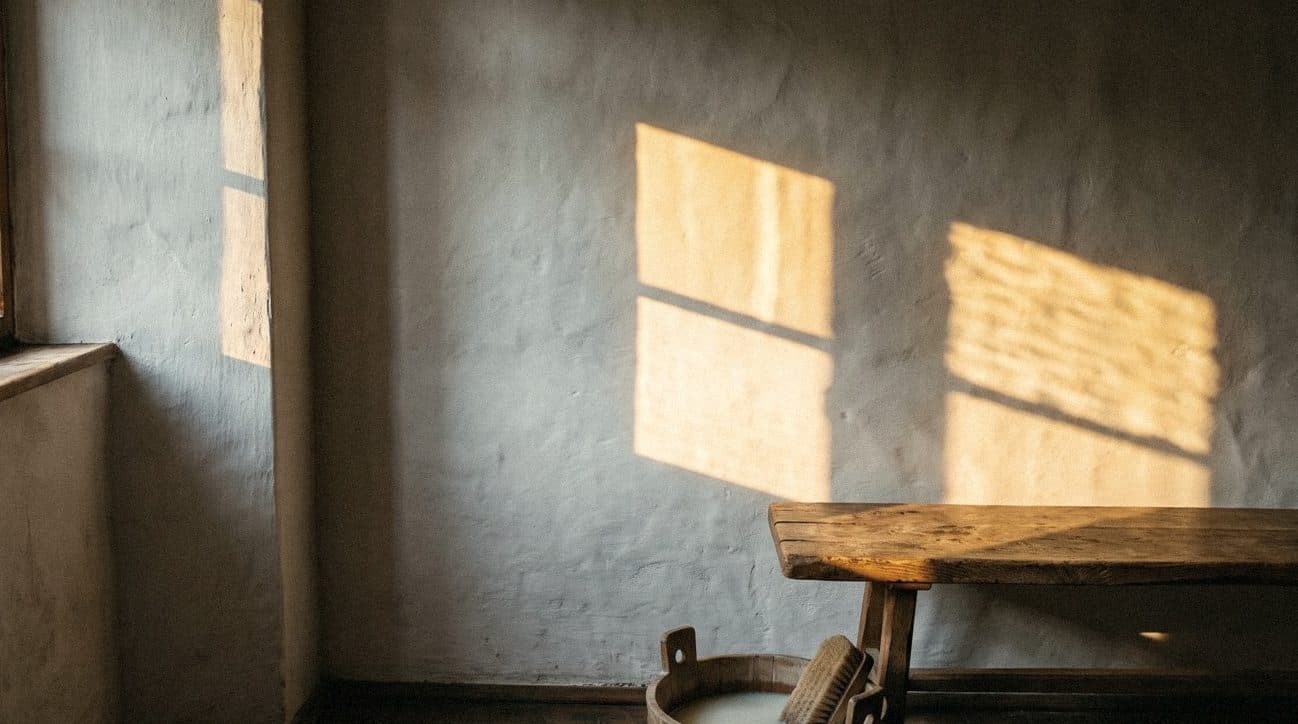
What is limewash? The traditional lime wall coating, how it works, and which homes it suits
The lime we know from building sites is the same material as those beautiful walls in European homes. From limestone to your wall, explained.
Read article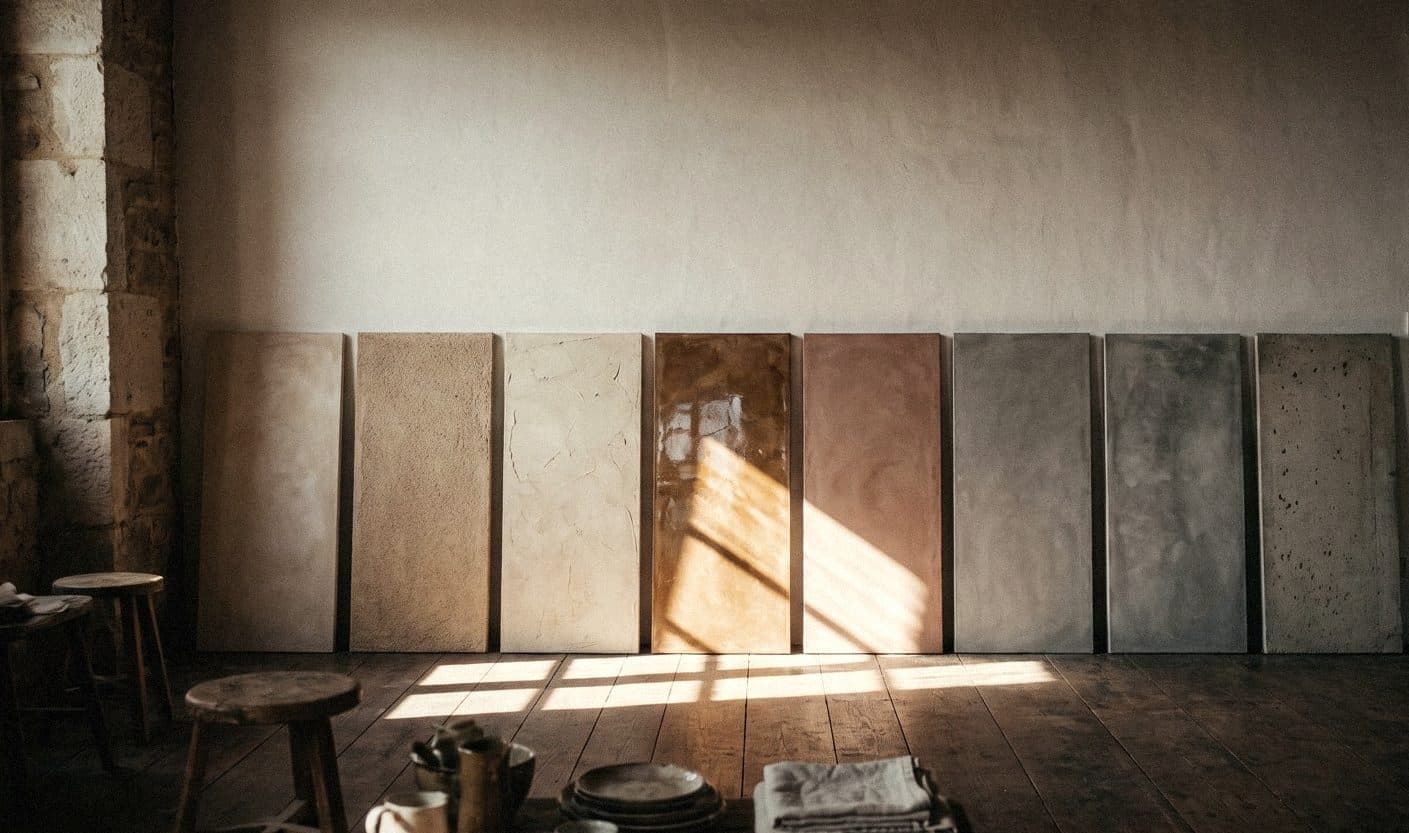
How many types of textured wall are there? 8 popular finishes, how they look, where to use them and how to care for them
Brush, trowel or formwork; matt or polished. A guide that sorts out eight textured walls on a single page.
Read article
Interior house paint: Voqe Wall Paint or Mineral Finish?
A smooth paint you can apply yourself in a day, or a mineral wall no other home will have. The answer depends on what you want the wall to do.
Read article