


What is limewash? The traditional lime wall coating, how it works, and which homes it suits
The lime we know from building sites is the same material as those beautiful walls in European homes. From limestone to your wall, explained.
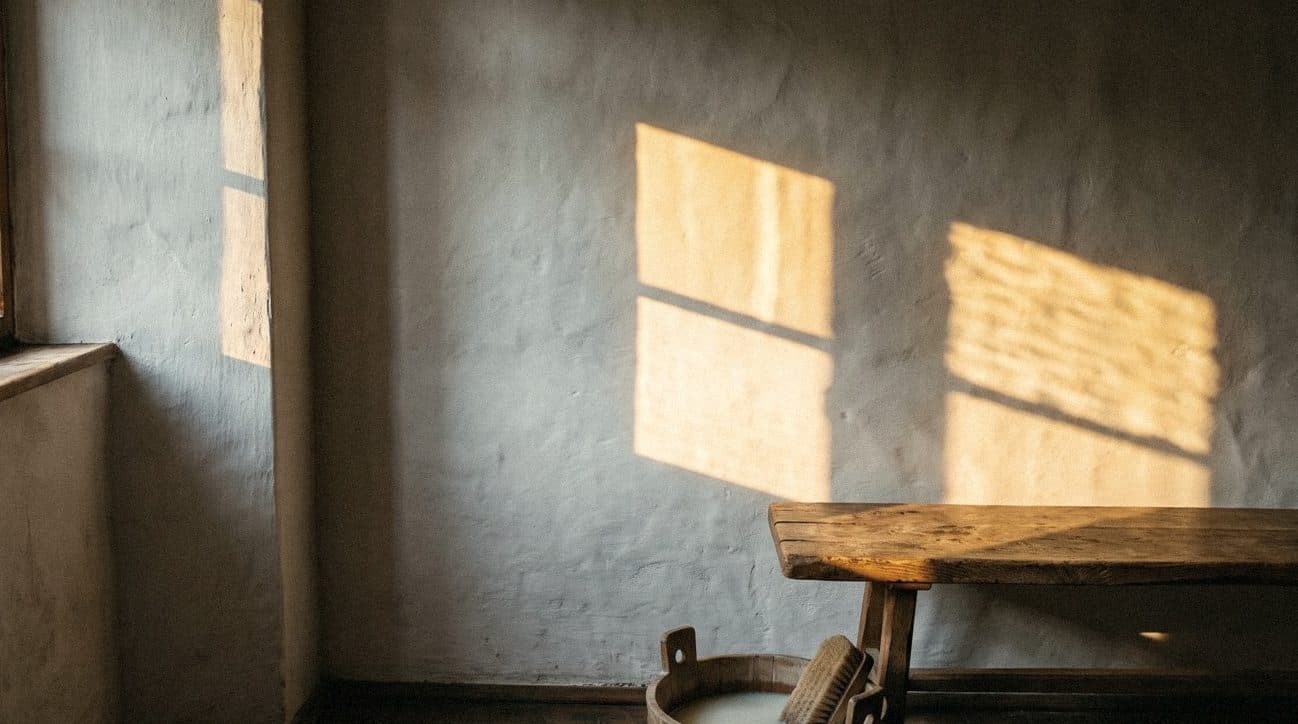
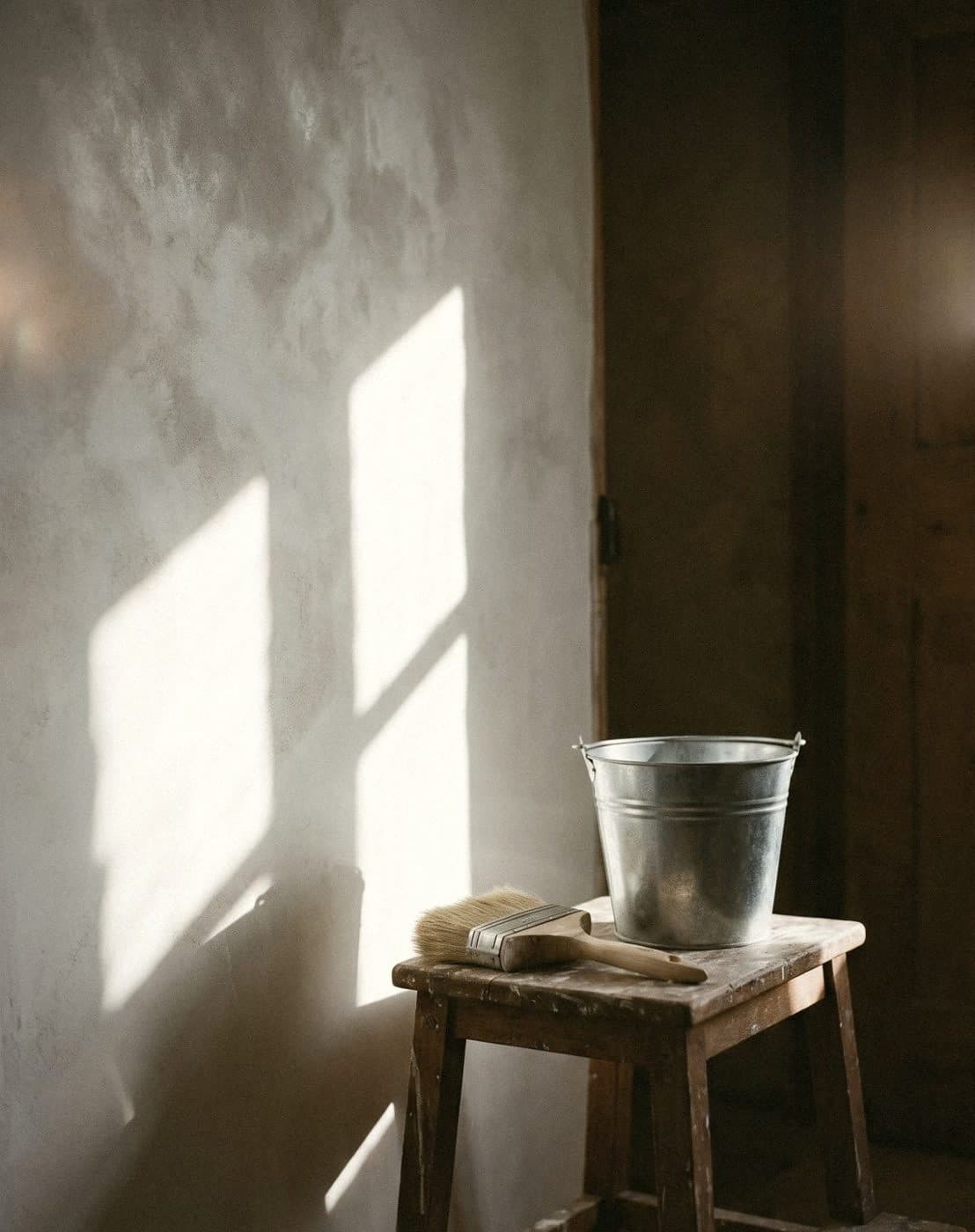
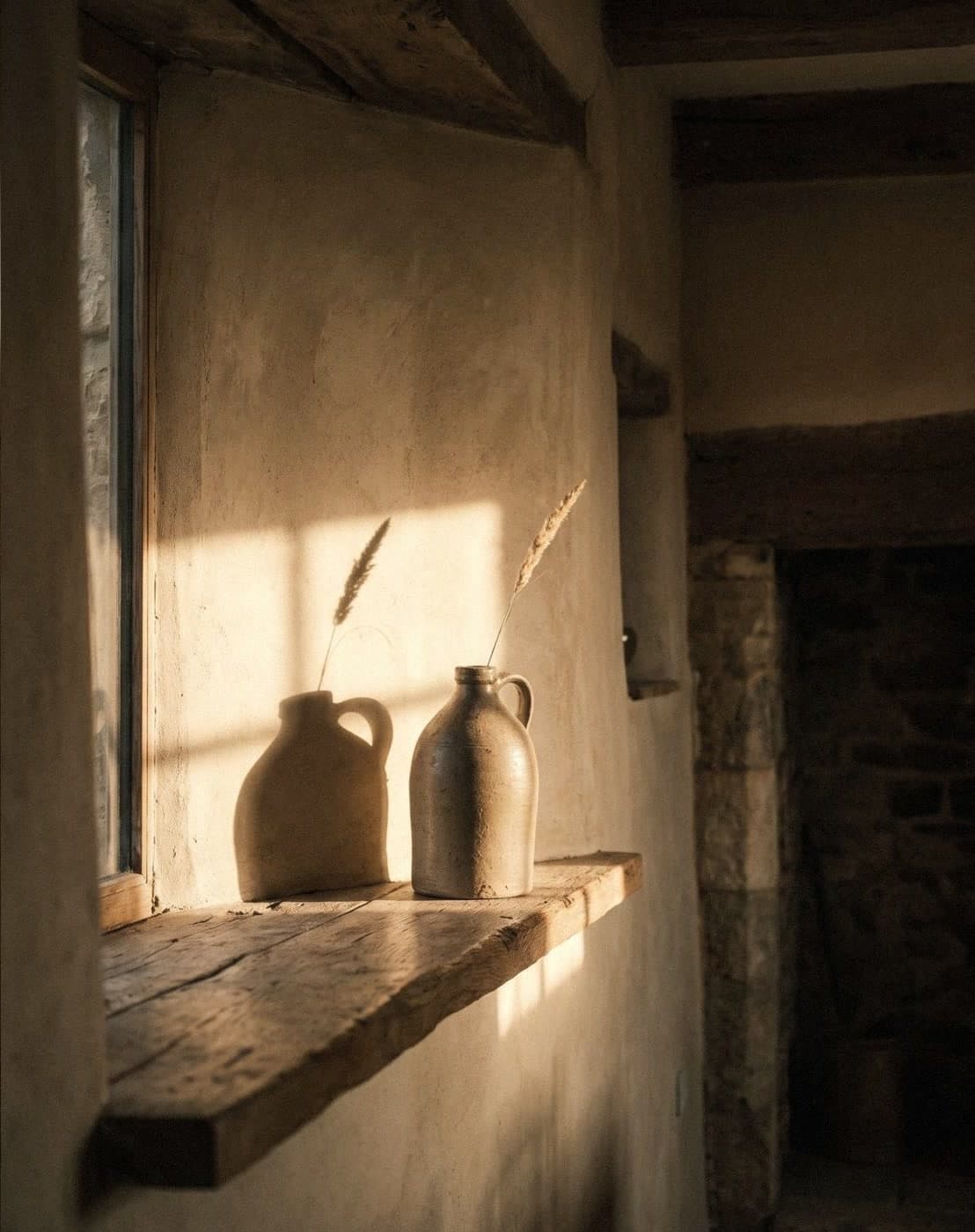
Limewash is a traditional wall paint made from lime (calcium hydroxide) mixed with water and pigment. Once it's on the wall, the lime slowly absorbs carbon dioxide from the air and turns back into limestone (calcium carbonate). The result is a chalky matt surface with cloudy shading that lets moisture escape well. It must go on an absorbent mineral surface, such as bare plaster, brick or stone.
What is limewash, and what does it have to do with lime?
Lime is something Thai people already know well, from building work and from farming, where it's used to treat acidic soil. Limewash is simply that same lime mixed with water until thin, with pigment added, then brushed onto a wall in several thin coats.
This method has been used for hundreds of years in many parts of the world, from country houses in Europe and seaside homes on the Mediterranean to old buildings in Asia. The reason is simple: lime is easy to find, inexpensive, and the same material as the lime plaster already on the walls, so wall and paint become one.

The lime cycle: from limestone back to limestone
What makes limewash special is the chemistry behind it. It doesn't dry like ordinary paint, where the water evaporates and leaves a film on the surface. It hardens by turning back into stone. Building conservators call this process the lime cycle.
- It starts with limestone, which is calcium carbonate
- This is burned at high temperature to make quicklime, or calcium oxide
- Adding water makes slaked lime, or calcium hydroxide; this stage produces intense heat and is dangerous
- The lime is mixed with water and pigment to make limewash, which is brushed onto the wall
- On the wall, the lime slowly absorbs carbon dioxide from the air and hardens back into calcium carbonate, just like the limestone it started as

What a limewashed wall looks like: matt, soft and never still
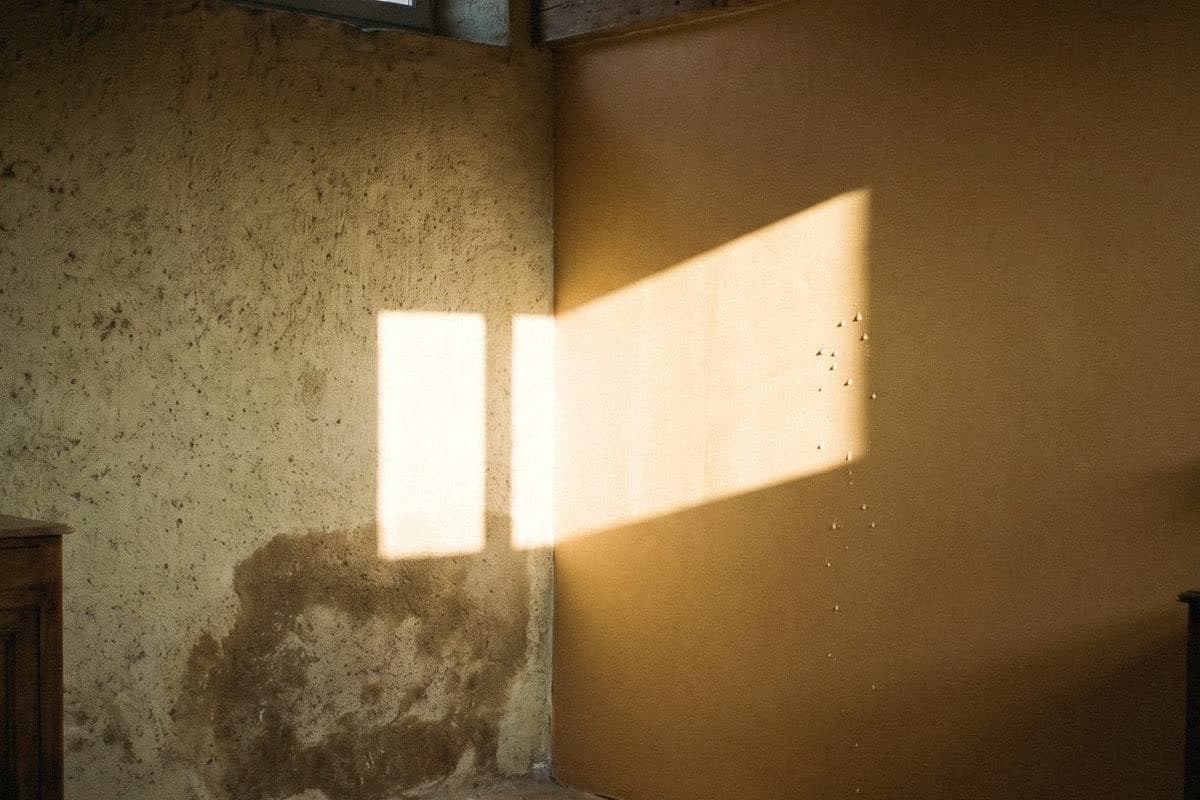
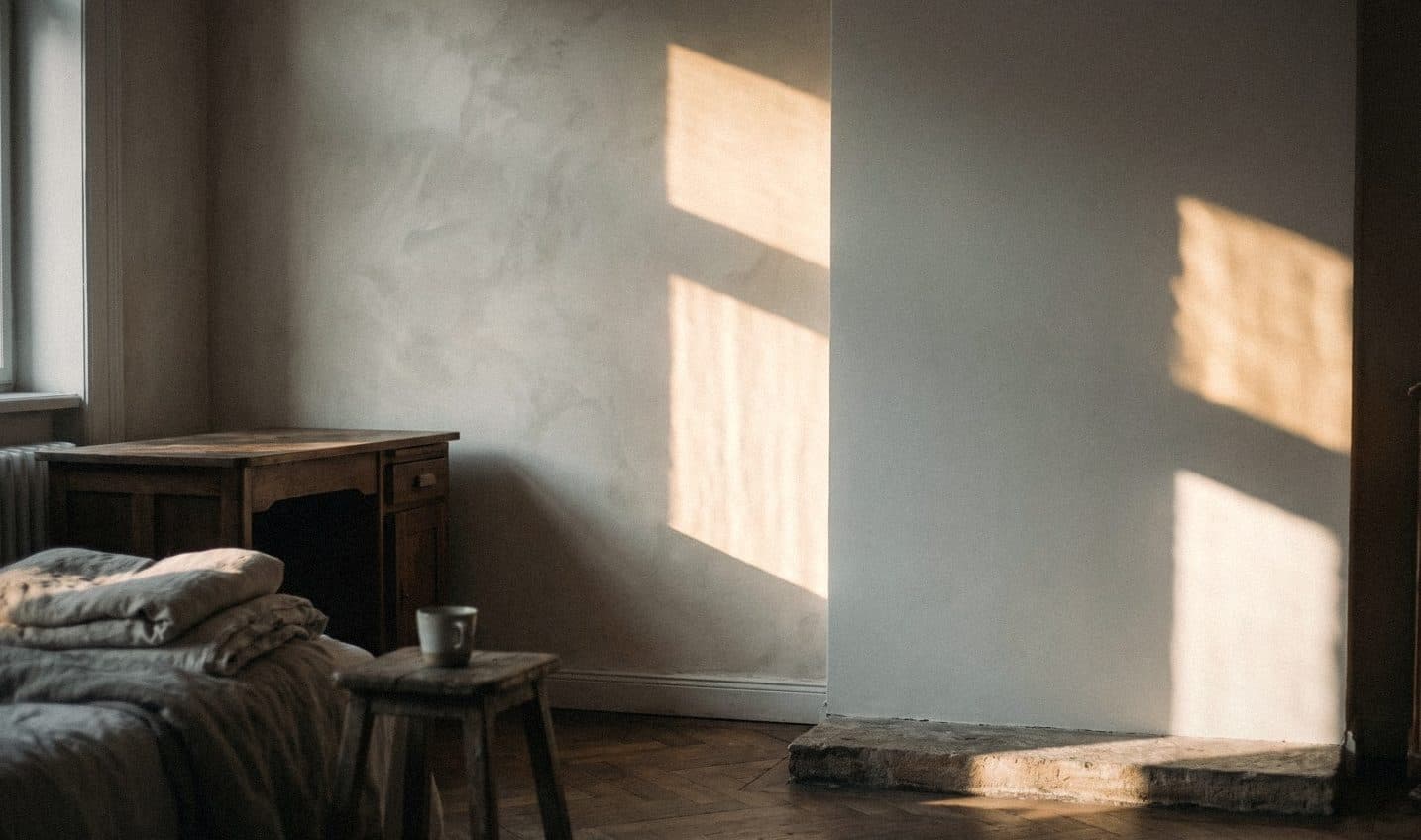
A limewashed wall has a chalky matt surface. Its colour isn't even across the whole wall but clouded lighter and darker, following the brush marks and the thickness of each coat. The same wall looks different in the morning and the evening, because its uneven surface catches the light differently as the sun moves.
Something else that surprises first-timers is that limewash is much darker wet than dry. Wait until it's dry before deciding whether the colour is right. And because lime is highly alkaline, the pigments that can be used are usually mineral ones, so the tones come out soft, like earth, sand and stone, rather than bright. Like a cotton shirt washed many times, the more it fades, the better it looks.

The pros and cons of limewash to know before you paint
Limewash isn't better than house paint at everything. It's very good at some things and clearly weak at others. Know both sides first so you won't be disappointed.
- Pro: it lets moisture escape very well and doesn't trap water in the wall, so it suits old plaster and brick walls
- Pro: its alkalinity makes it harder for mould to grow on the surface
- Pro: it gains charm with age, and touch-ups blend easily with the original
- Con: the surface is chalky, so rubbing hard can mark hands or clothes, and it can't be scrubbed like acrylic paint
- Con: exterior walls exposed to heavy rain wear and fade faster and need recoating from time to time
- Con: it only bonds well to absorbent mineral surfaces; it can't go directly over existing acrylic paint, glossy surfaces, wood or metal
- Con: wet lime burns skin and is dangerous to the eyes; always wear gloves and safety glasses
- Con: each batch may not match exactly, so it needs several thin coats and a fair amount of skill

Which walls can take limewash, and which shouldn't
Before you fall in love with pictures of beautiful walls, look at your own. Limewash needs an absorbent wall. If you drip water on it and the wall soaks it up, there's a chance. If the water beads and runs down, there's a paint film or coating, and the surface needs preparing first.
- Suitable: bare plaster that has never been painted, lime plaster, brick, stone, and old buildings that used lime from the start
- Needs special preparation: walls already painted with acrylic, plasterboard
- Not suitable: wood, metal, glossy surfaces, areas that are always splashed with water, and walls that get touched a lot, such as hallways in homes with young children
How real limewash differs from limewash-style paint
These days the word limewash is used much more broadly, often meaning the look rather than the material. The main difference is the binder. Real limewash uses lime that hardens through the lime cycle. Limewash-style paints use other binders to get a similar look, in exchange for going more easily onto primed walls, more even colour, and no handling of wet lime.
Voqe Mineral Finish is in the second group: a matt, limewash-style mineral paint applied in two tones in alternating directions to create depth, on primed plaster walls, inside and out. If your home is an old building plastered in lime and you want to keep its walls breathing as they always have, real limewash is the answer. If it's an ordinary plastered house and you want this look with easy upkeep, a limewash-style paint is the better fit.

“Some of the most beautiful walls begin as stone, and end as stone.”
Frequently asked questions
What is limewash?
Limewash is a traditional wall paint made from lime mixed with water and pigment. Once applied, it slowly absorbs carbon dioxide from the air and hardens back into limestone, giving a chalky matt surface with cloudy shading.
Are limewash and lime the same thing?
Limewash is made from lime (calcium hydroxide), but thinned with water and given pigment so it can be brushed onto walls in thin coats. Lime itself is a raw material with many uses, in building and in farming.
Can limewash go over existing paint?
Real limewash bonds well to absorbent mineral surfaces such as bare plaster, brick or stone. If a wall has already been painted with acrylic, it needs special preparation, or choose a limewash-style paint designed to go on primed walls instead.
Can limewash be used outside?
Yes, and it has been for a long time in many countries. But in areas with heavy rain the surface wears and fades faster than house paint and needs recoating from time to time, which many people see as the charm of a wall that changes with time.
Can I mix my own lime for my walls?
Technically yes, but wet lime burns skin and is dangerous to the eyes, so wear gloves, safety glasses and long sleeves. Don't slake quicklime yourself, because it gets extremely hot when it reacts with water. If you have no experience, use a ready-made product or ask a professional.

Colour on a screen never matches colour on a wall
Order a sample to paint at home, or come and see the full shade library at Voqe Studio, Bang Phli.
See all 38 Mineral Finish shadesRead next
How is limewash different from house paint? A point-by-point comparison before you choose for your walls
One is like a raincoat over your wall, the other like skin tanned by the sun. A comparison that takes no sides.
Read article
Slaked lime, pounded lime plaster and Thai temple walls: the wisdom of lime that grows more beautiful with age
Long before the word limewash, Thai craftsmen plastered temple walls with lime for hundreds of years. The story of walls that age with grace.
Read article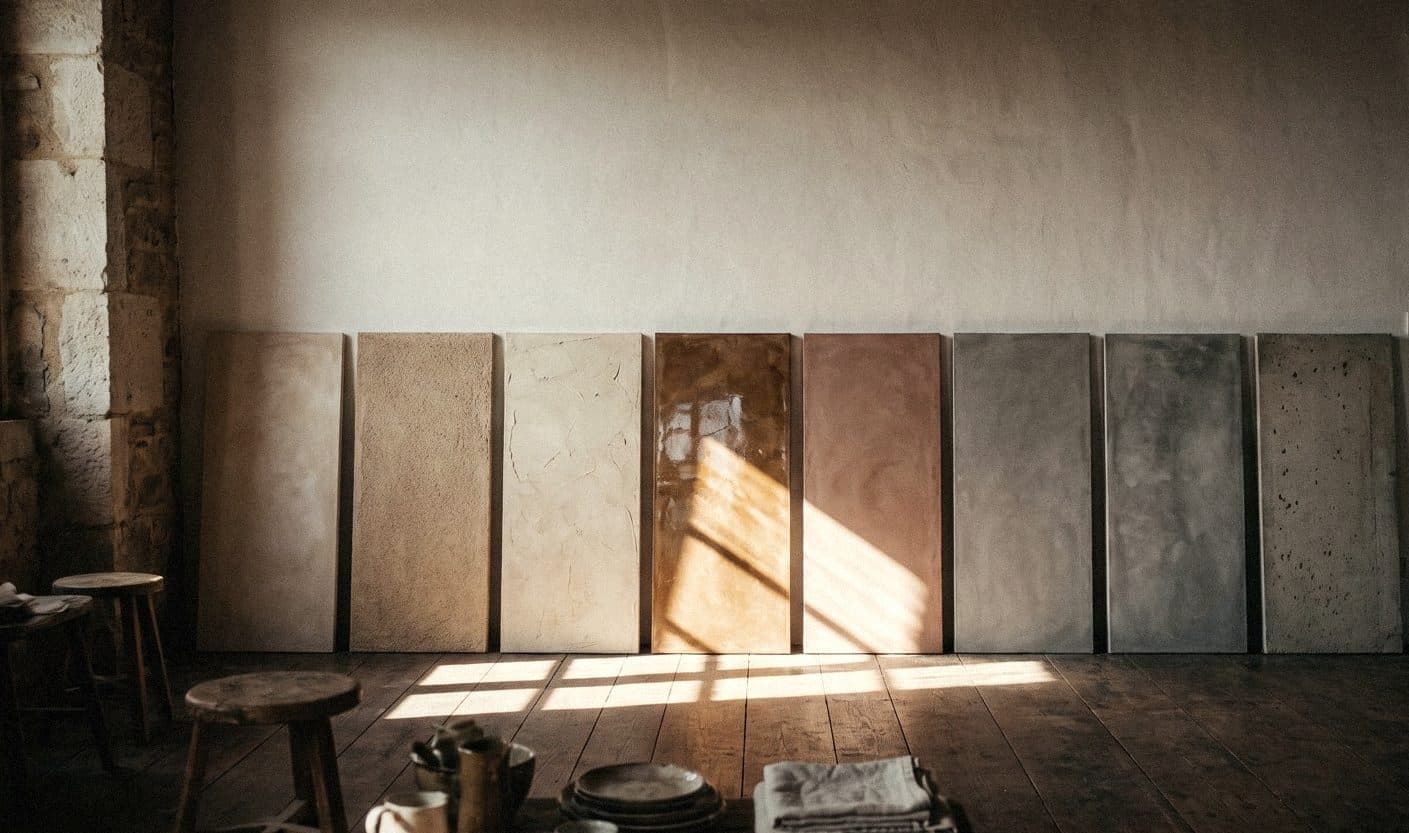
How many types of textured wall are there? 8 popular finishes, how they look, where to use them and how to care for them
Brush, trowel or formwork; matt or polished. A guide that sorts out eight textured walls on a single page.
Read article