


Slaked lime, pounded lime plaster and Thai temple walls: the wisdom of lime that grows more beautiful with age
Long before the word limewash, Thai craftsmen plastered temple walls with lime for hundreds of years. The story of walls that age with grace.


Pun mak and pun tam are traditional Thai plasters made from lime mixed with sand and natural ingredients. They have been used to plaster the walls of ordination halls, assembly halls, chedis and old buildings in Thailand for hundreds of years. This kind of plaster is softer and lets moisture escape better than cement, so it can live alongside old brick for a long time, and over the years its surface develops soft shading and patina. That is the charm today's limewash-style walls try to capture.
What are pun mak and pun tam?
Before cement became the main building material, Thai craftsmen relied on lime as the heart of their plasterwork. The names you hear most often are pun mak (matured lime) and pun tam (pounded lime), and the names describe the method. Pun mak is lime soaked and left to mature for a long time until it's smooth and ready to use. Pun tam is lime pounded together with sand and other ingredients until it forms one even mix.
The actual recipes vary by craftsman, school and region. Some add natural ingredients to make the plaster stickier and help it bond. These details are specialist knowledge that craftsmen and conservators study seriously. What we can say with confidence is that all of them are built on the same raw material as limewash: lime.

Where to find lime in Thai temples and old houses
If you've ever walked around an old temple in the afternoon and felt that its white walls look soft on the eye, not glaring like the walls of a new building, part of that comes from the lime surface. Look out for it next time.
- Ordination hall and assembly hall walls: a soft matt plaster with gentle waves left by the craftsman's hand
- Chedis and the low walls around ordination halls: plasterwork that has stood in sun and rain for a long time
- Moulded stucco: the ornament on gables and around doors and windows, modelled directly in lime
- Mural walls: many temple murals are painted onto plastered walls
- Old shophouses: many old buildings in historic quarters, such as the old towns of Bangkok and Phuket, used lime in their masonry and plaster
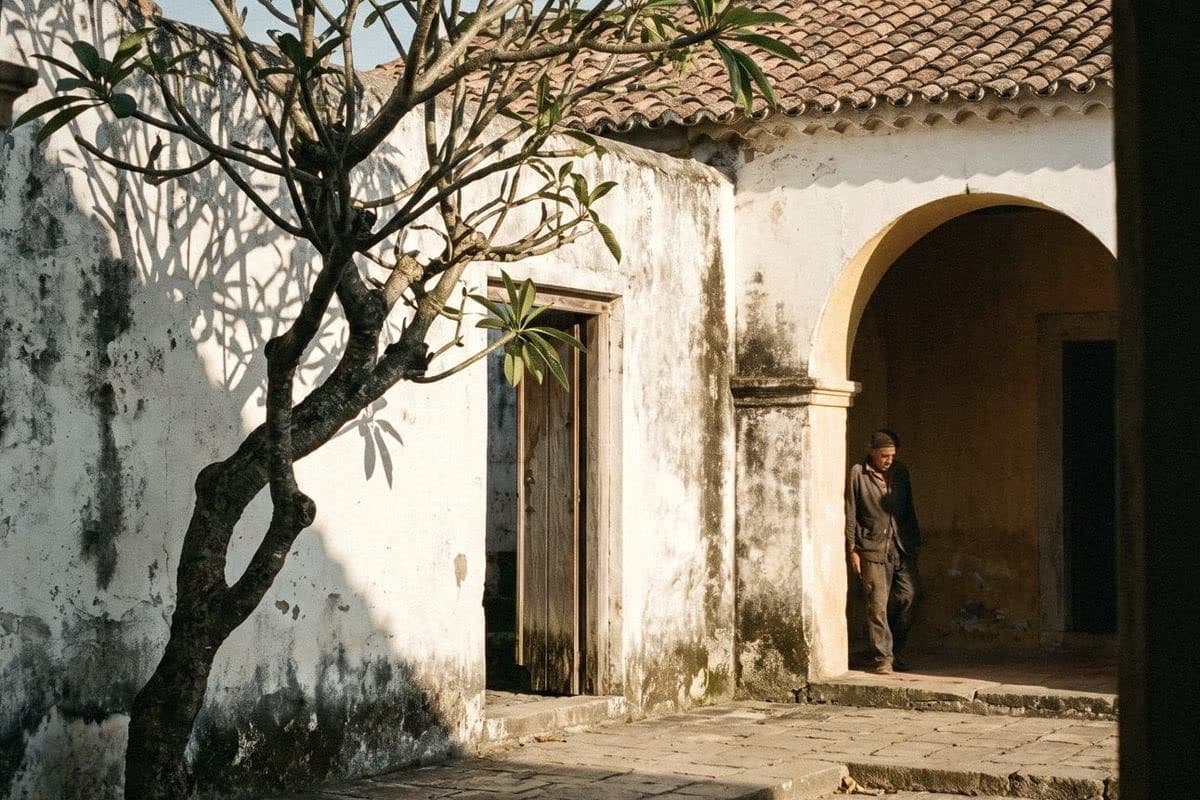
Why lime-plastered walls grow more beautiful with age
A lime wall doesn't try to fight time. It lets time leave its mark, like a real leather bag that gains colour the more you use it, unlike a faux-leather one that one day peels away in sheets.
There are three main material reasons. First, lime is softer and more flexible than cement, so it can move with old brick without cracking badly. Second, it lets moisture escape well, so water that soaks into the wall can evaporate rather than staying trapped inside. Third, a lime surface fades and changes shade gradually, and with the marks of generations of repairs on top, the wall gathers layers of time that no one could paint on.
This is the same beauty the Japanese call wabi sabi, the beauty of things that are imperfect and change with time. Only we have had it in the temple down the road all along.
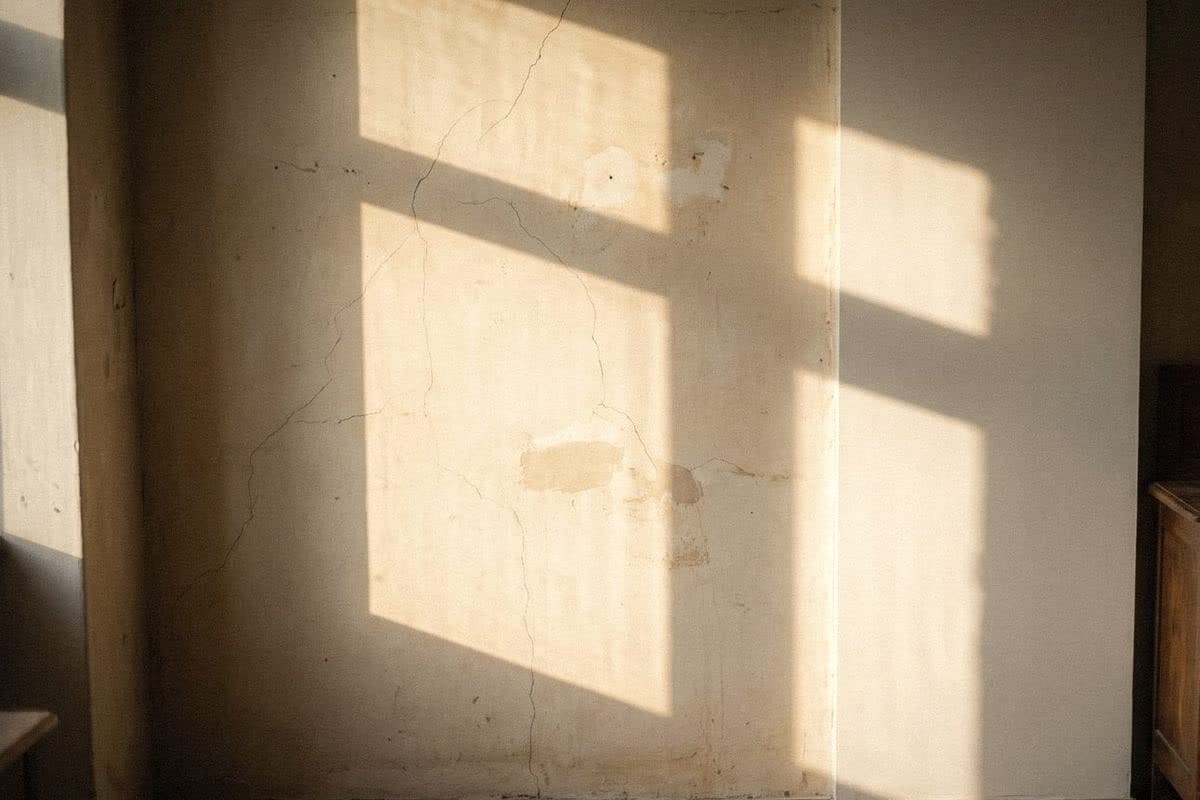
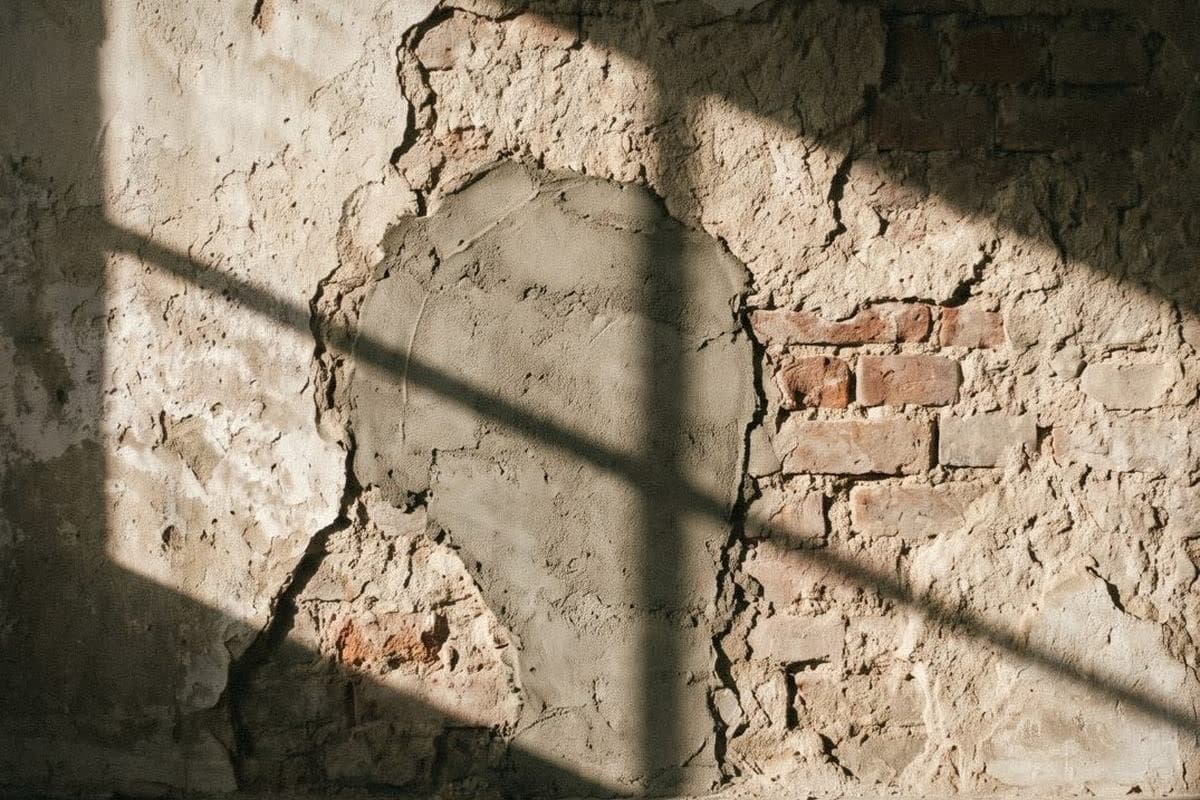
A lesson from conservation: don't patch old lime walls with cement
Building conservators around the world agree on one principle: repair materials should be compatible with the original. Cement is much harder than lime and lets far less moisture through. Patch an old lime wall with it, and the moisture and salts in the wall can't escape, so they damage the original brick and plaster around the patch instead.
For historic monuments, repairs should be in the hands of specialists and follow the requirements of the authority responsible. For owners of ordinary lime-plastered shophouses or old houses, a few simple principles help.
- Consult a craftsman or architect experienced with old buildings before stripping or replastering
- Avoid patching with cement or covering the wall with materials that don't let moisture through
- Find the cause of the damp first, such as a leaking gutter, groundwater or a burst pipe
- Keep the original surface where it's still sound; the whole wall doesn't need to look brand new
What today's limewash-style walls take from Thai temple walls
When a new generation goes looking for matt plaster-effect walls for homes and cafés, what they're really after is the same set of qualities as an old temple wall: a matt surface that doesn't glare, light and dark shading that looks handmade, and a sense of calm when the light falls on it.
The palettes that capture this mood best often come from the materials around a Thai temple: lime white, river sand, toasted rice, terracotta, and the red of sappanwood, used to dye cloth since ancient times. For ordinary homes, Voqe Mineral Finish is a limewash-style mineral paint applied to primed plaster walls. It isn't traditional lime, so it suits homes and new spaces, not the repair of historic monuments.
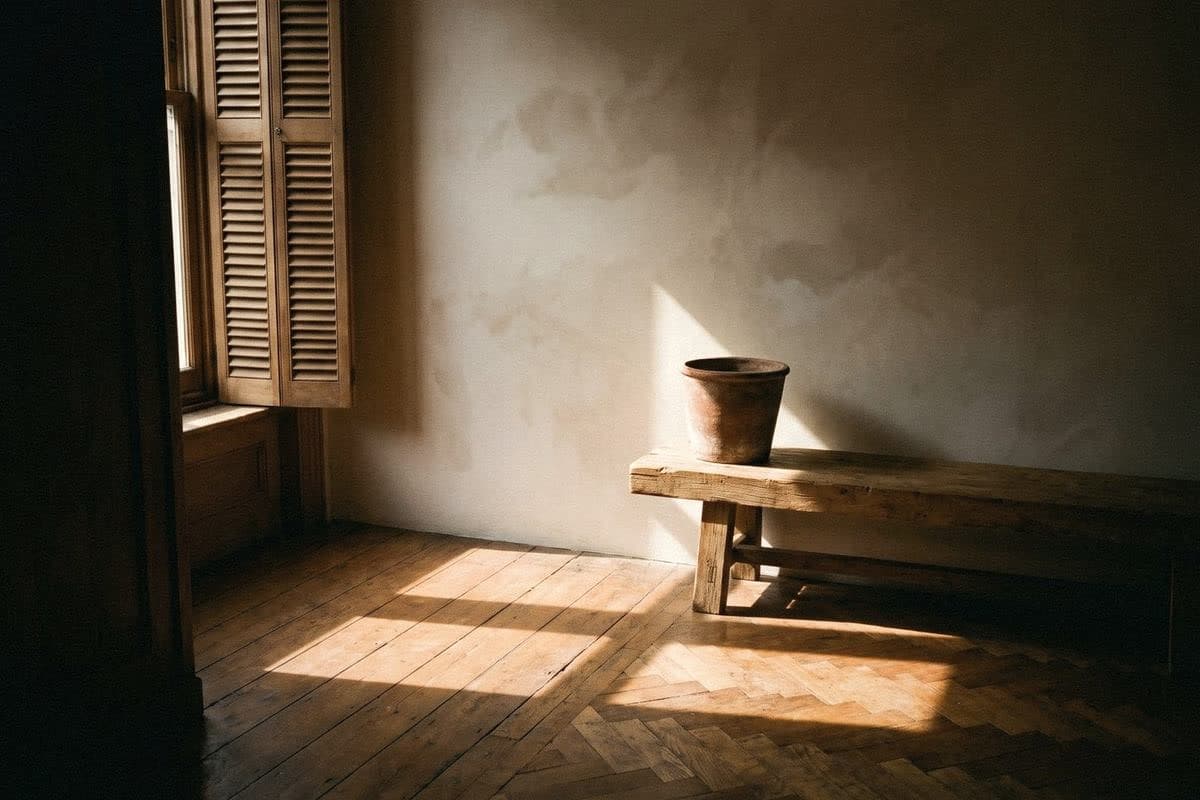
Bringing the feel of ancient walls home, with respect
Drawing inspiration from temples for your home can be beautiful if it starts from understanding. Some motifs in religious buildings carry religious meaning and belief, so they should be used with knowledge of where they come from, not picked up as everyday decoration. What you can borrow with an easy mind is the atmosphere, the surface and the colour.
- Entrance hall: a matt lime-white wall, with wood or terracotta floors
- Buddha shelf or shrine room: calm, soft-toned walls and warm light from the side, with little extra decoration
- Courtyards and garden walls: a matt sand-toned surface left to change with the rain and sun
- Living room: one plaster-effect wall, with teak, brass and handwoven fabric

“Long before the world knew limewash, Thai craftsmen were plastering calm onto temple walls.”
Frequently asked questions
What is pun mak?
Pun mak is lime soaked and matured for a long time until smooth, then mixed with sand and other ingredients for plastering walls or modelling ornament. Thai craftsmen have used it in temples and old buildings since ancient times, and recipes vary by craftsman and region.
How is pun tam different from pun mak?
Both are based on lime, and the names reflect how they're prepared. Pun mak is about maturing the lime for a long time, while pun tam is about pounding the lime with sand and other ingredients until combined. In practice, many schools of craftsmen use both maturing and pounding.
Why do old temples use lime rather than cement?
Because in the past lime was the main material available, and it has properties that suit brick walls: it's softer, more flexible and lets moisture escape better than cement. So the walls last a long time and their surfaces age beautifully.
Can I repair an old lime wall with cement?
It isn't recommended. Cement is harder and lets less moisture through, which can trap moisture and salts in the wall and damage the original brick and plaster around the patch. Consult someone experienced with old buildings, and for historic monuments follow the requirements of the authority responsible.
How do I get a Thai temple-style wall at home?
Choose a matt wall surface with light and dark shading in lime white, sand or terracotta tones, light it with warm light from the side to give the surface depth, and pair it with natural materials such as wood and terracotta, while avoiding religious motifs as everyday decoration.

Colour on a screen never matches colour on a wall
Order a sample to paint at home, or come and see the full shade library at Voqe Studio, Bang Phli.
Order plaster and sand-tone sample bottlesRead next
What is limewash? The traditional lime wall coating, how it works, and which homes it suits
The lime we know from building sites is the same material as those beautiful walls in European homes. From limestone to your wall, explained.
Read article
How is limewash different from house paint? A point-by-point comparison before you choose for your walls
One is like a raincoat over your wall, the other like skin tanned by the sun. A comparison that takes no sides.
Read article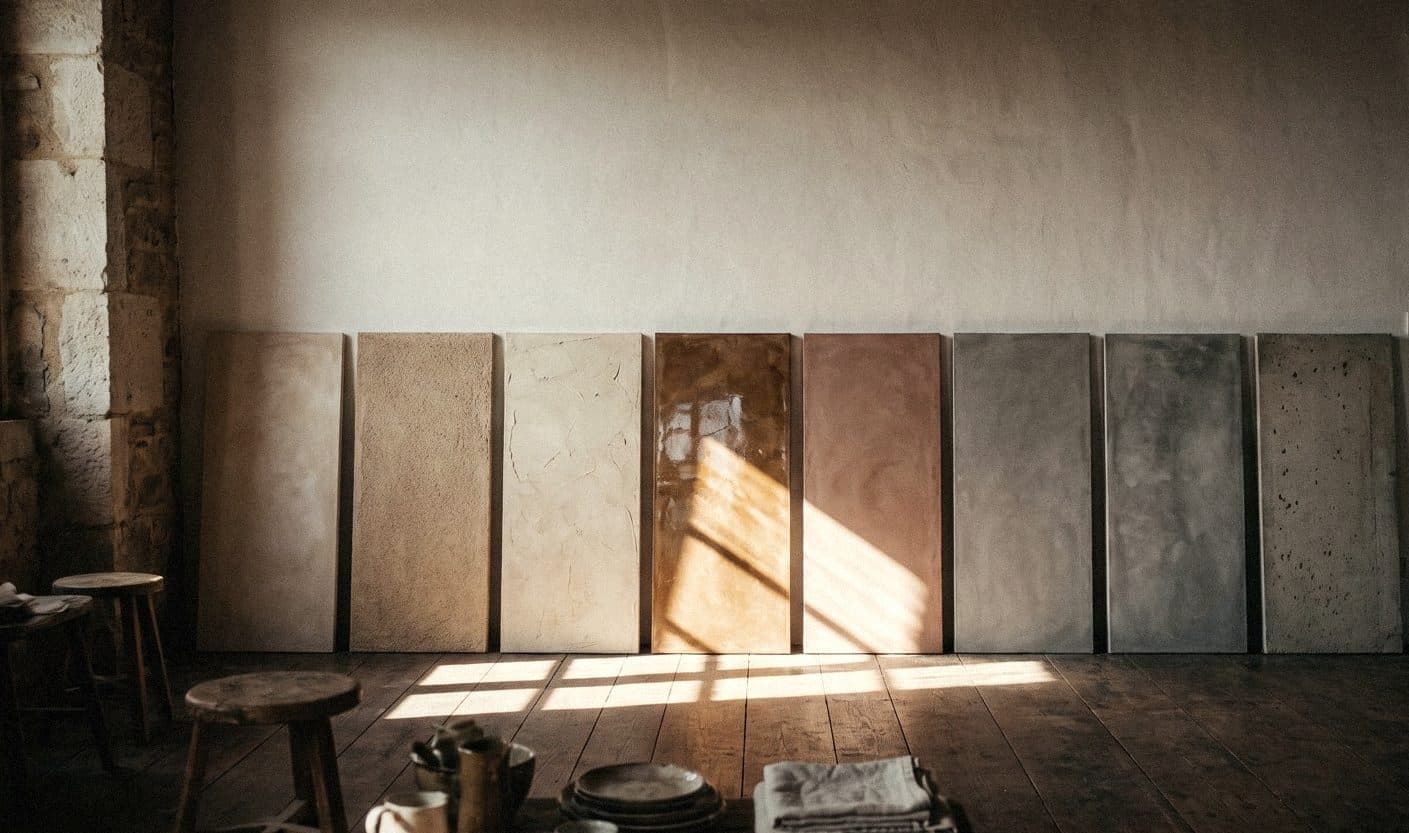
How many types of textured wall are there? 8 popular finishes, how they look, where to use them and how to care for them
Brush, trowel or formwork; matt or polished. A guide that sorts out eight textured walls on a single page.
Read article