


Limewash plaster-effect wall ideas room by room: bedroom, living room and entrance, through to cafés
You don't need limewash on every wall in the house. Choose the right wall and the whole room changes mood. Ideas room by room, with shades to match.
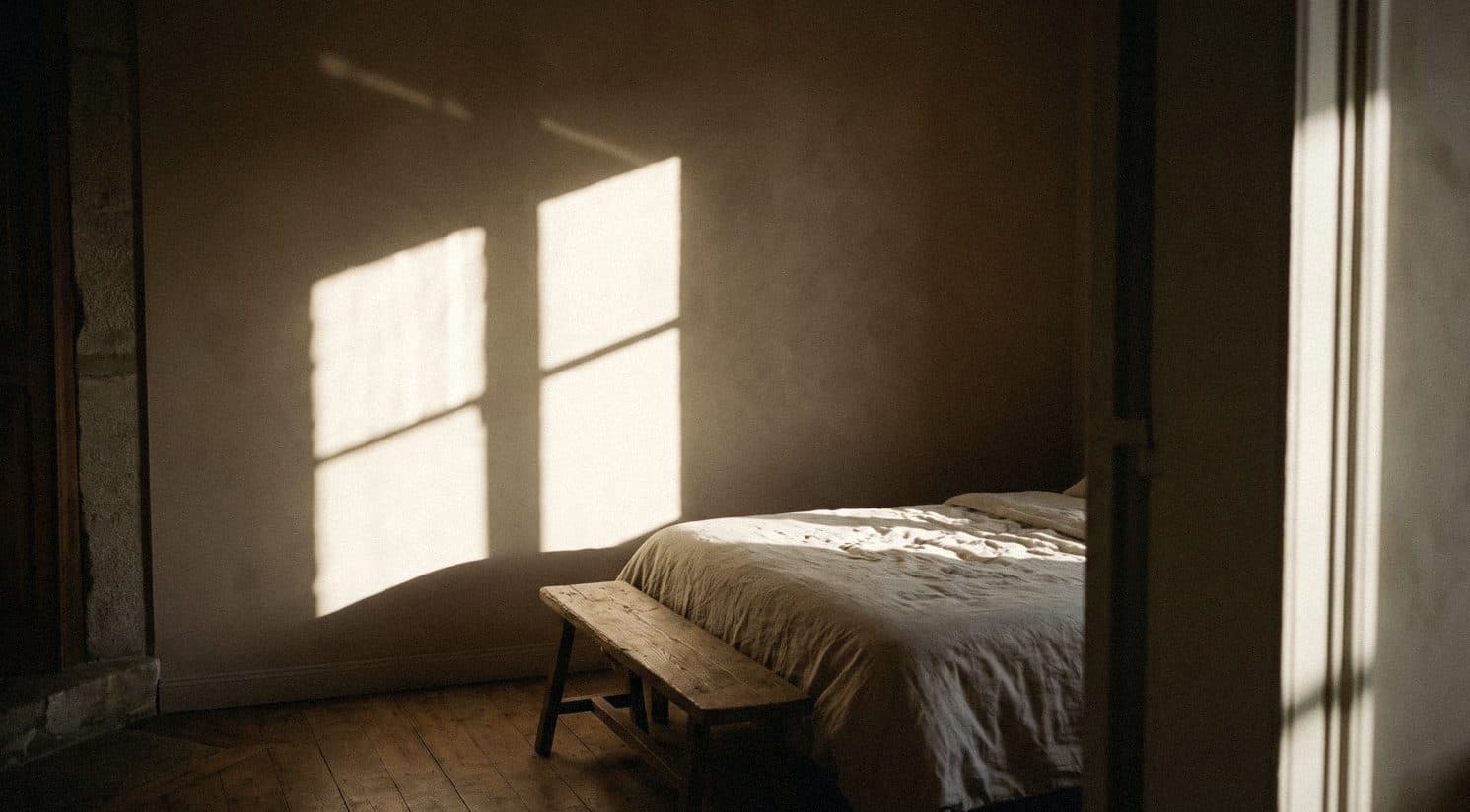


A limewash-style wall works best as a background with depth, not on a wall that is constantly splashed or touched. The places it works best are the headboard wall, the wall behind the sofa, the dining wall, the entrance hall and the stairwell. In bathrooms, use it only in dry zones outside the shower area. Choose the shade by the room's light: in rooms with little light, use creams and warm sand tones; in well-lit rooms, you can play with greens, blues or stone greys.
Before you start: which wall should be the limewash wall
A limewash wall is like a statement piece of jewellery. Wear one and the whole outfit looks good; wear every piece at once and nothing stands out. Before you choose a room, choose the wall, using these four rules.
- A wall where light falls across it: light from a side window, or a lamp that grazes the wall, brings out the depth of limewash best
- The wall your eye reaches first: the wall opposite the door, the headboard wall, the wall behind the sofa
- A wall that furniture doesn't hide: if a tall cabinet covers half of it, however lovely the pattern is, nobody will see it
- A wall that isn't constantly wet or touched: avoid shower areas, behind the sink, and narrow corridor walls that shoulders brush along
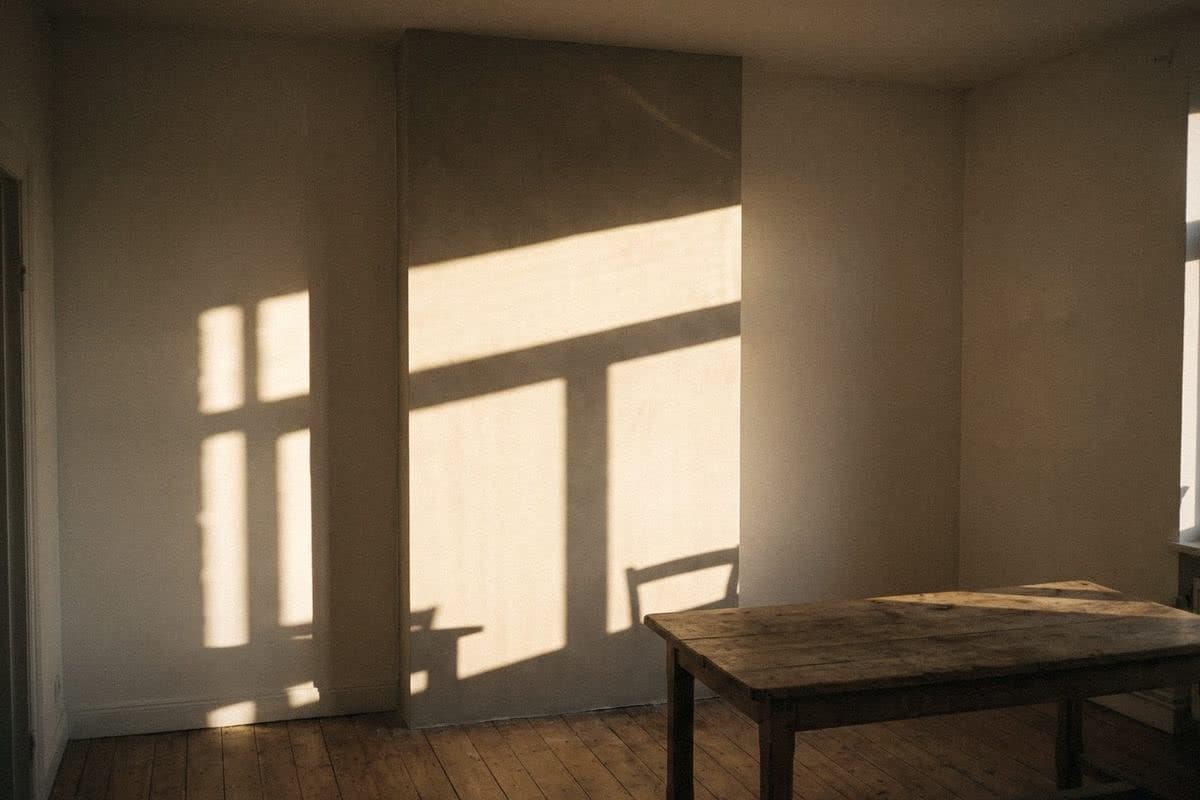
Bedroom: a headboard wall like another blanket
The bedroom is where a limewash wall settles in most easily, because we spend time with it in the softest light of the day: early morning and early evening. A matt headboard wall with lighter and darker shading makes the room feel as calm as freshly changed linen sheets.
If the room gets little light, choose cream, beige or soft peach and the room will feel warmer. If it gets good light and you want a cool, easy mood, a grey-blue or a muted green keeps the room fresh without being loud.
- Paint the whole headboard wall from floor to ceiling, and the room will look taller
- Paint an arch just behind the bed, and you have a headboard without buying one
- Fit wall lights on either side of the bed so the light grazes down the wall, instead of switching on the ceiling light

Living and dining rooms: walls that warm the whole house
In the living room, the wall behind the sofa or a wall with display niches is the best value. A matt finish cuts glare from the windows and the TV screen, so the room is easier on the eye. The TV wall works too, but choose a mid shade, not a very dark one, so it doesn't compete with the screen.
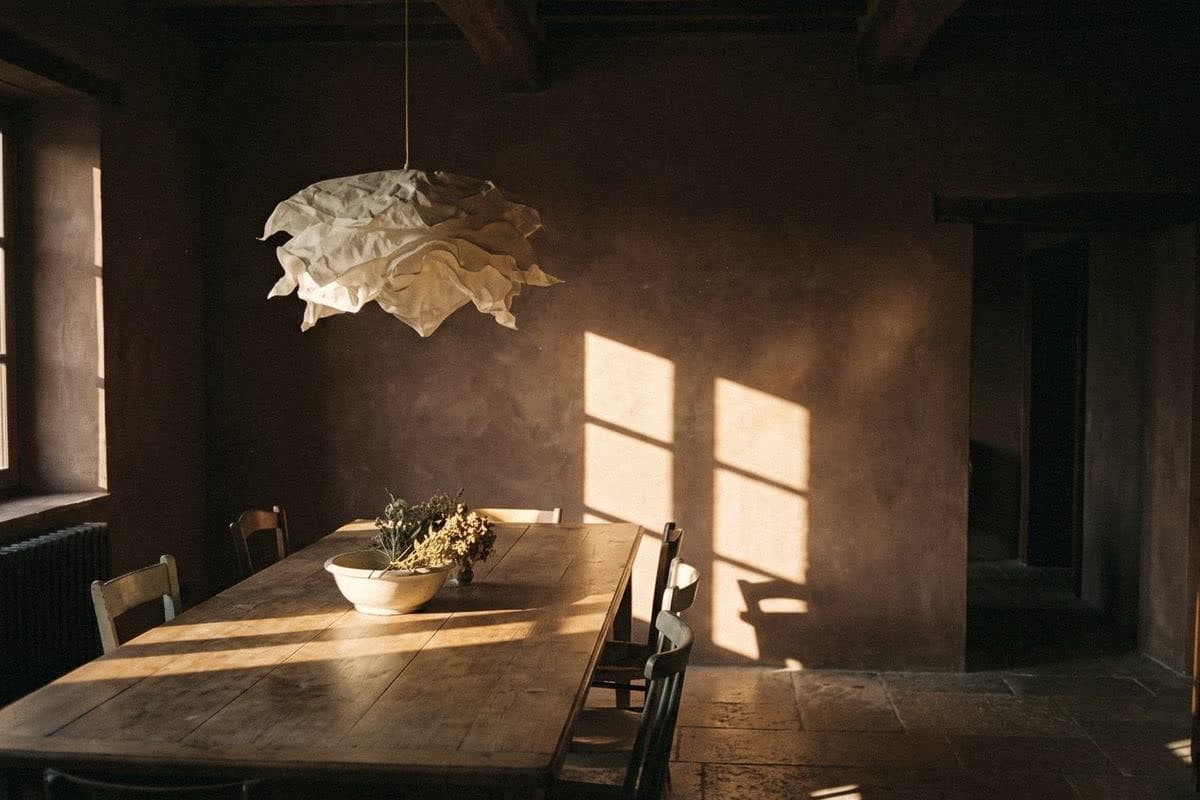
The dining room is where a pendant over the table really earns its keep. Warm light falling on a limewash wall at dinner makes a plain plate of fried rice look like supper in a little European restaurant. Earth, tamarind and olive green tones go especially well with a wooden table.
- Behind the sofa: warm plaster or stone tones, with a light fabric sofa
- A wall with arched niches: use the same finish over the wall and inside the niches, so it looks sculpted in one piece
- Dining wall: earth tones or olive green, with a wooden table and a warm pendant
Entrance and stairs: the home's first impression
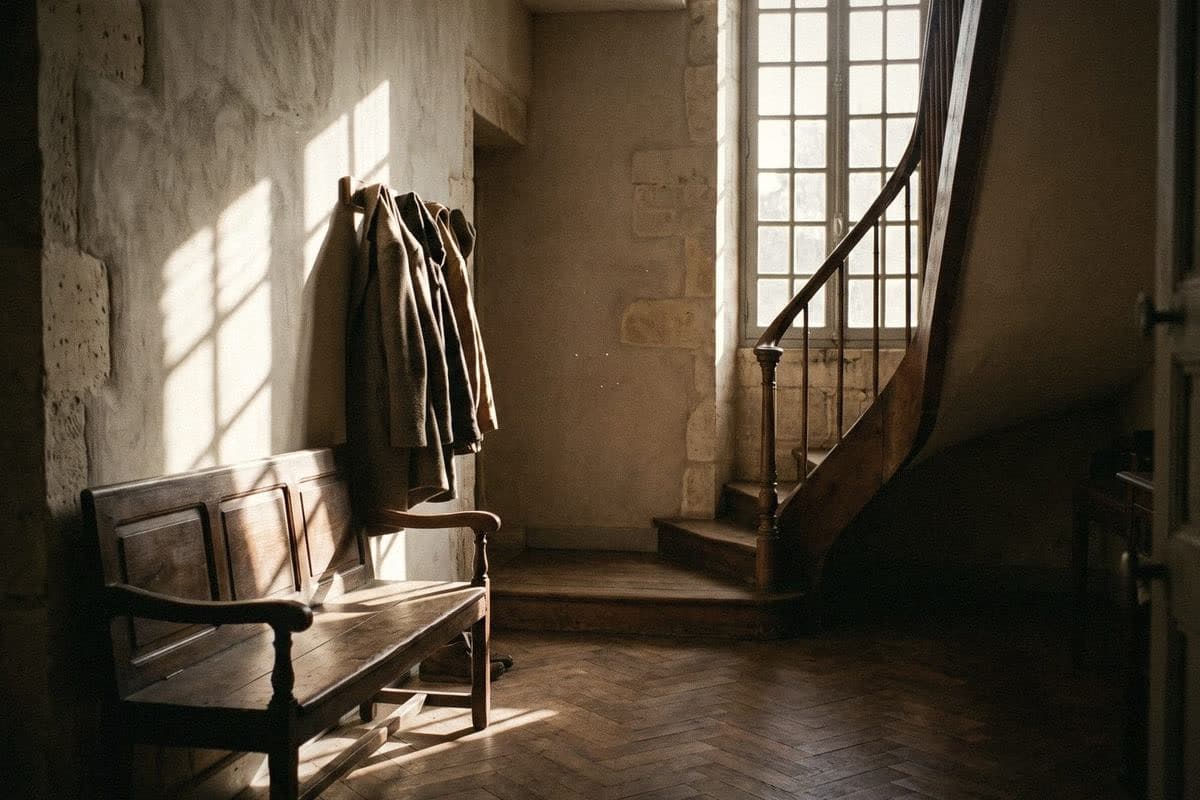
The entrance hall is often a small space nobody pays attention to, even though it's the first wall everyone sees. A single limewash wall opposite the door, with a wooden bench and one mirror, gives the house a personality from the first step.
The stairwell is another spot where a limewash wall shines, because there is often a stair window that sends light grazing along the whole length of the wall. Walking up and down, you see the wall's shading change all the way. Just think about hands: where people often hold the rail or push against the wall, it should have a sealer over it, or choose a mid shade that doesn't show marks easily.
Bathroom: yes, but know the limits
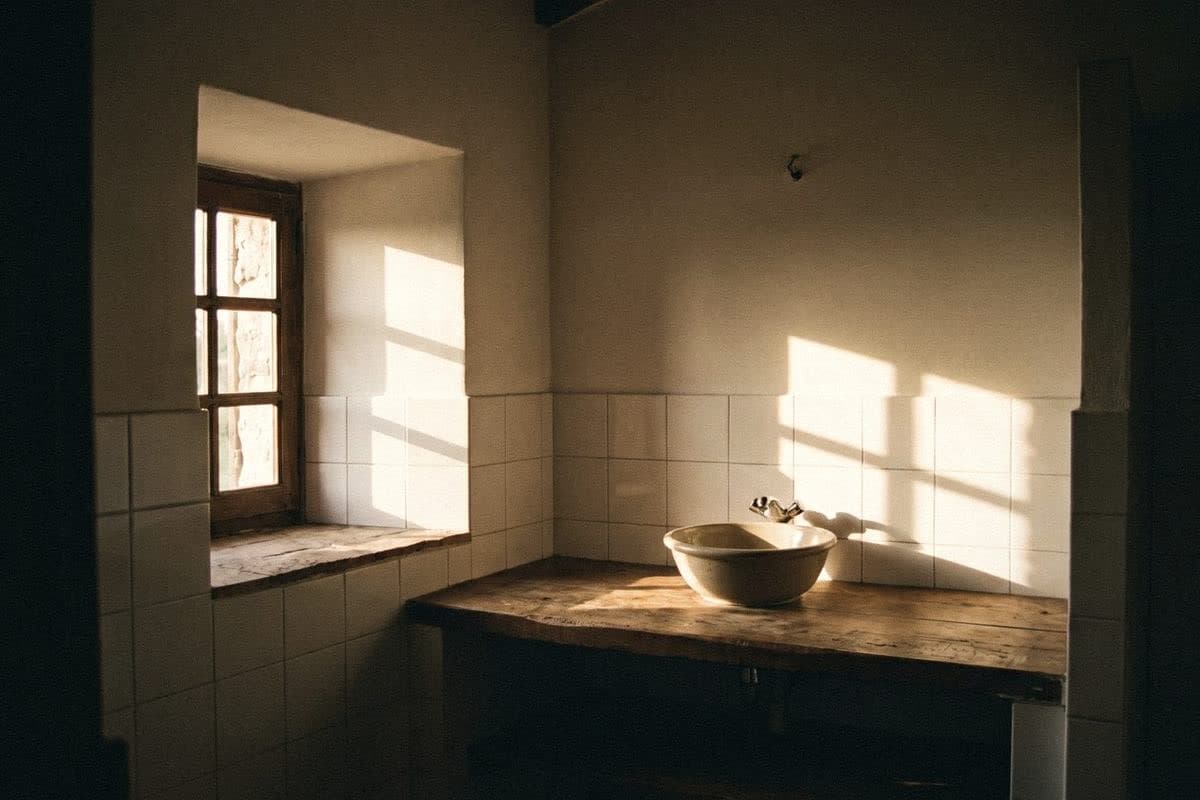
A limewash wall looks beautiful in a bathroom photo, but you need to separate the dry zone from the wet zone. A limewash-style finish suits walls that aren't splashed directly, such as the wall above the basin, high enough to be out of splash range, the wall behind the toilet, or the upper wall above the tile line.
The popular approach is to tile, or use a waterproof material, in the shower area and the splash zone, then carry the limewash wall on above it. You get both the looks and the durability. The bathroom also needs a good extractor fan or a window to let the moisture out, otherwise no wall will survive.
- Dry zone above the basin: shell white or a soft sea blue
- Upper wall above the tiles: continue up from the tile line to make the room look taller
- Avoid: walls inside the shower area, and walls that get splashed every day
Cafés, shops and workspaces: walls that photograph well
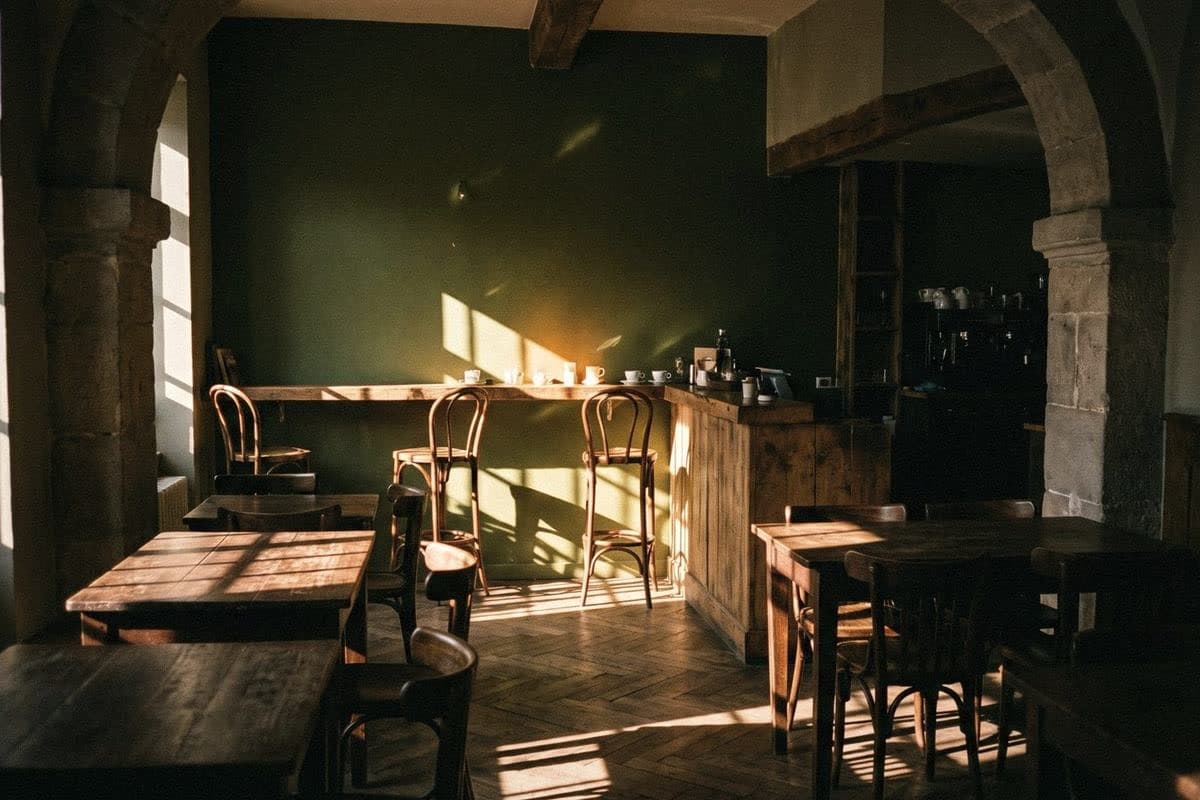
For a business, the wall is the backdrop of every photo a customer takes and posts. A matt surface doesn't reflect flash or window light, so photos come out soft and look expensive. Mid tones such as beige, plaster and warm stone make both food and skin look good on camera. Dark colours such as olive green or tamarind brown suit a feature wall behind the counter.
The thing to think about is the walls that customers lean on or touch often. If you use Voqe Mineral Finish, sealing the interior walls in that zone with Voqe Mineral Wax helps reduce marks and makes them easier to wipe clean. And for shops with no time to paint themselves, there is a Supply & Apply service too.
- Behind the counter: a dark shade to make the menu and the coffee cups stand out
- The photo corner: a warm mid tone, with natural light from the side
- Seating areas: seal the surface up to the height that backs and shoulders reach
“The most beautiful limewash wall isn't in the biggest room. It's where the light falls just right.”
Frequently asked questions
Which rooms suit a limewash wall?
It works best in the bedroom, living room, dining room, entrance hall and stairwell. Choose a wall where light falls across it and the eye reaches first, and avoid walls that are constantly wet or touched.
Can I use limewash in a bathroom?
Only in dry zones, such as the wall above the basin out of splash range, the wall behind the toilet, or the upper wall above the tile line. Don't use it in the shower area, and the bathroom must be well ventilated.
Should I limewash the whole room or one wall?
Most people are advised to start with one feature wall, such as the headboard wall or the wall behind the sofa. If you want to do the whole room, choose a light shade and a room with enough natural light, so it doesn't feel too heavy.
What colour should a limewash wall be?
Go by the room's light. In rooms with little light, use cream, beige or soft peach to warm them up. Well-lit rooms can take grey-blue, olive green or stone grey. Shops and cafés tend to choose mid tones that make skin and food look good in photos.
Can I apply limewash myself?
Yes, if it's a limewash-style paint applied with a brush, roller or sponge. Try it on a test board or a small wall first to get the rhythm of your hand, then do the real wall. If you'd rather not do it yourself, you can use a painting service.

Colour on a screen never matches colour on a wall
Order a sample to paint at home, or come and see the full shade library at Voqe Studio, Bang Phli.
See all 38 Mineral Finish shadesRead next
What is limewash? The traditional lime wall coating, how it works, and which homes it suits
The lime we know from building sites is the same material as those beautiful walls in European homes. From limestone to your wall, explained.
Read article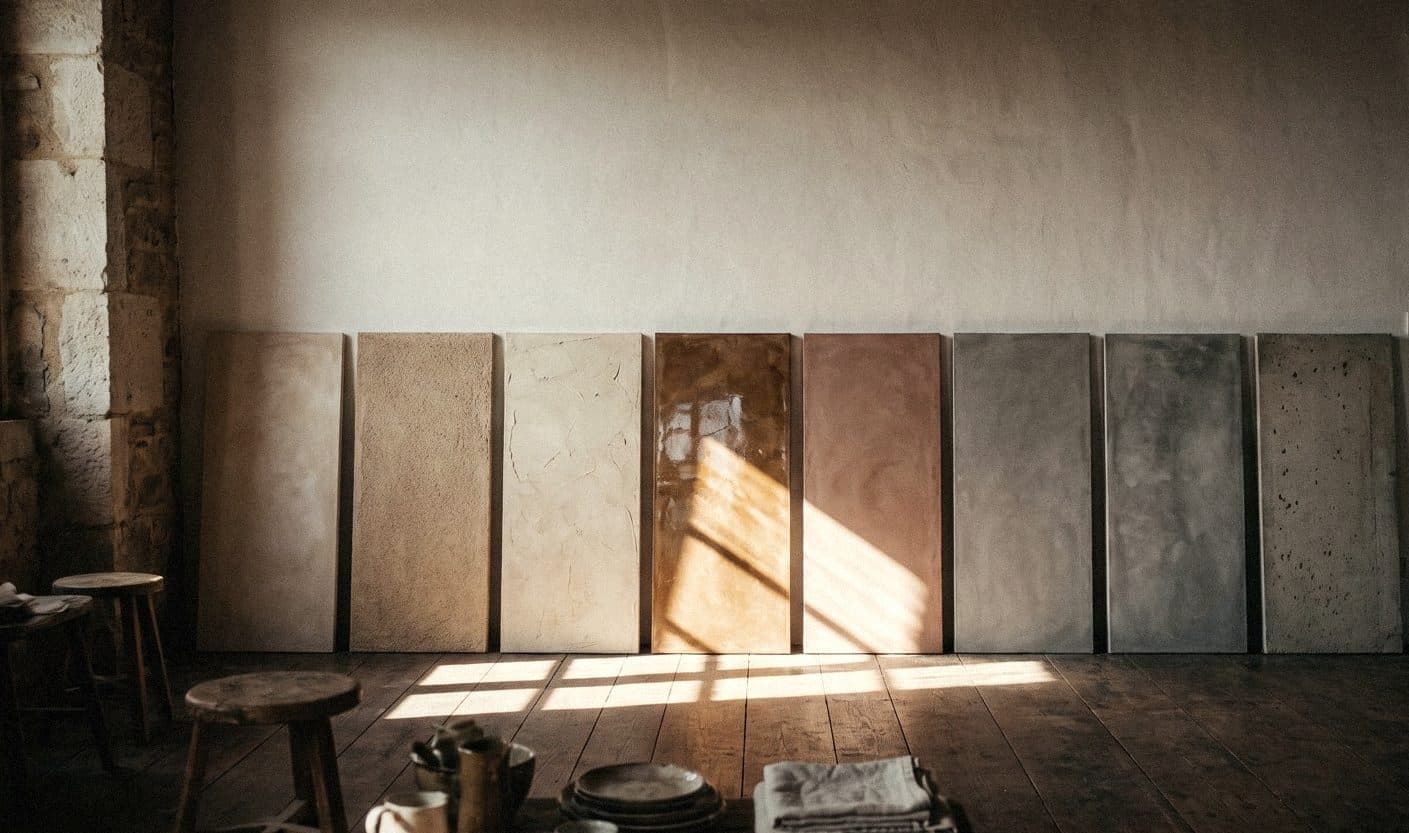
How many types of textured wall are there? 8 popular finishes, how they look, where to use them and how to care for them
Brush, trowel or formwork; matt or polished. A guide that sorts out eight textured walls on a single page.
Read article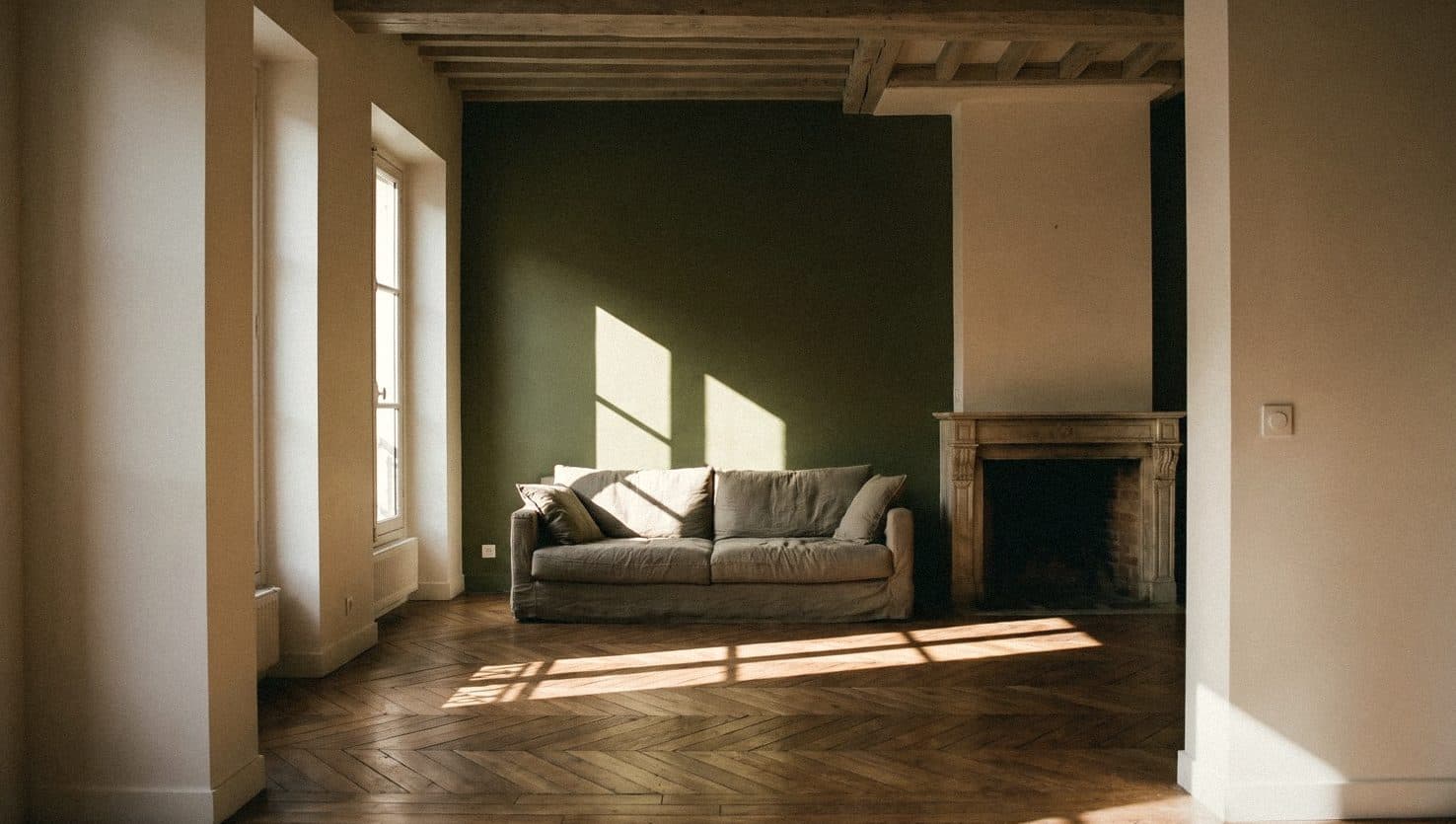
Feature walls, painting one wall, or two-tone walls: ideas that make a room look intentional
One feature wall turns an ordinary room into one that looks intentional. Just choose the right wall, then be a little braver.
Read article