


Water seeping into house walls, bubbling paint, peeling paint: find the cause first, then repaint once and for all
Blistering paint doesn't mean bad paint. Almost every time there is water hiding behind it. Find where it comes from, and your next coat of paint will be the last.
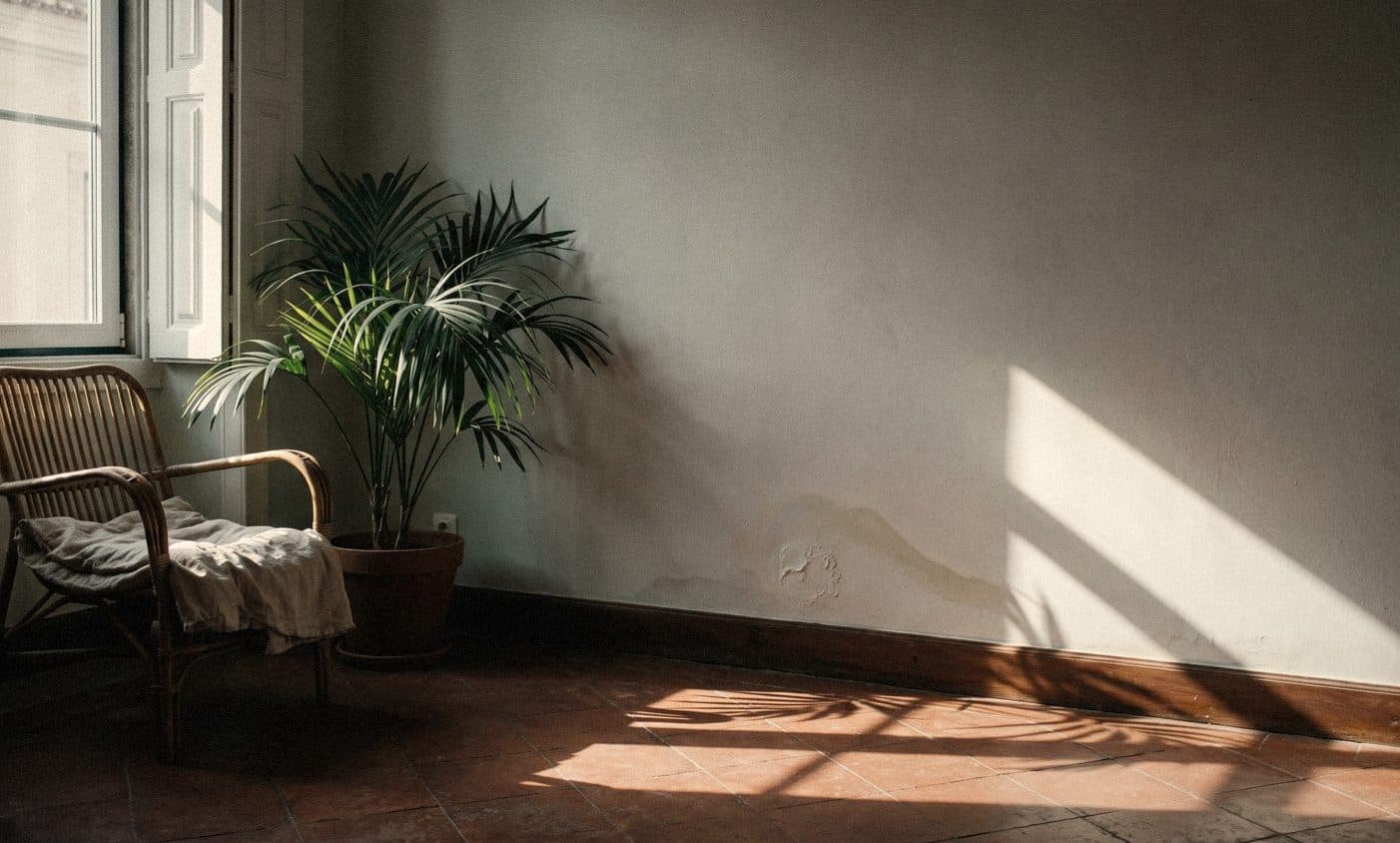
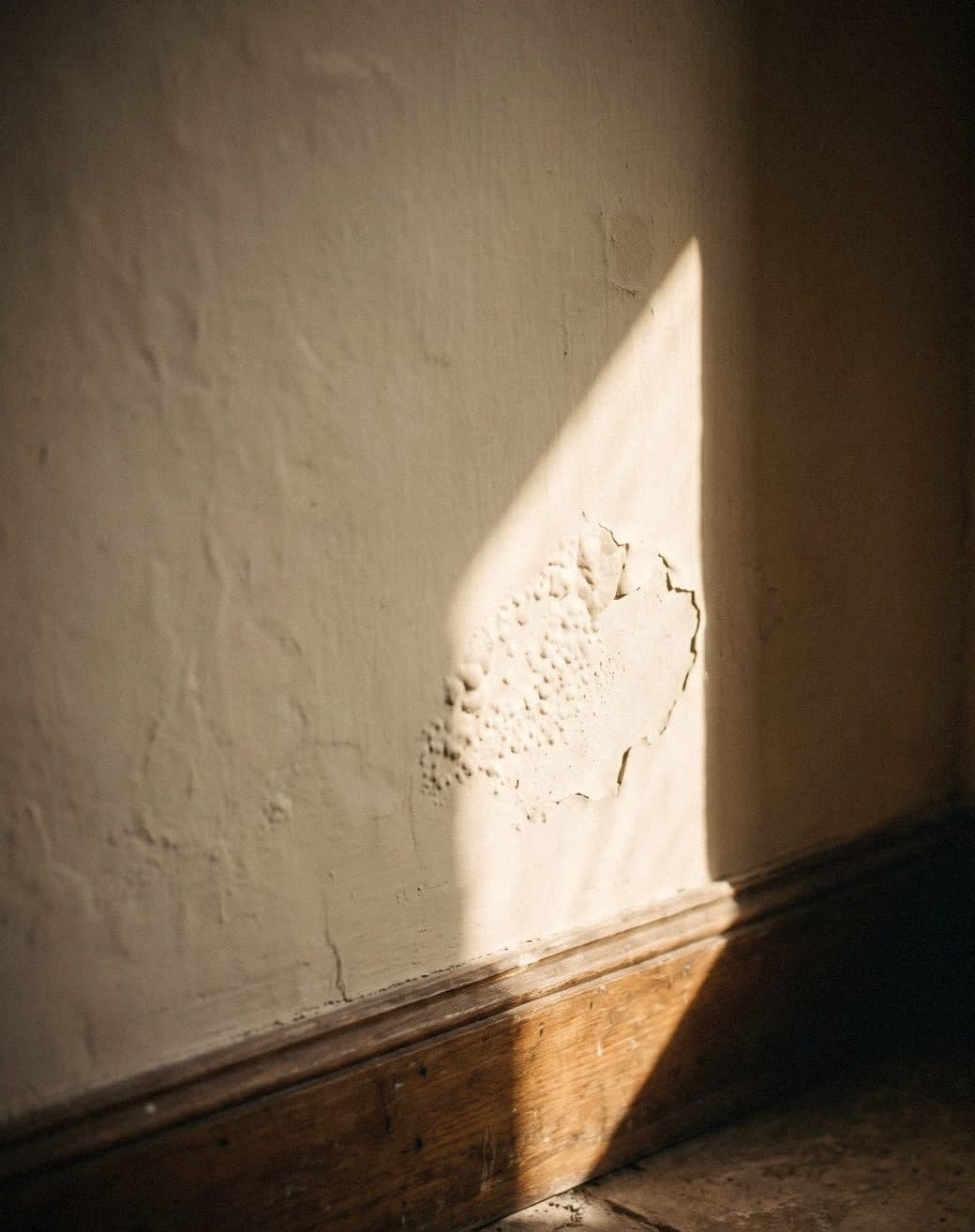
Water seeping into a wall is the main reason paint blisters, peels and walls stay damp: water or vapour inside the render pushes the paint film off the wall. The fix that works is to find where the water comes from and stop it first, let the wall dry completely, scrape off the damaged paint, apply primer, then repaint with two coats. Painting over the top on its own never stops seepage.
Why paint blisters and peels when you painted it not long ago
Paint on a wall is like a thin raincoat worn over the render. Render is porous and soaks up water like a stiff sponge. When water gets into it and then sun or air conditioning draws it out, the vapour pushes on the paint film from behind. The paint bubbles up into blisters, and in the end it cracks and peels off in sheets.
In some houses you will also see a fluffy white powder along the bottom of the wall. This is salt that water has carried out of the render and brick; Thai builders call it khi kluea, "salt bloom". If you can see salt, water really is travelling through that wall. It is not just poor paint.
Paint can blister for other reasons too: painting while the wall is still damp, painting over dust or grease, or painting in strong sun so the surface dries too fast. But if it blisters in the same place again and again, however many times you repaint, the cause is almost always water.
- Paint bubbles into blisters that feel soft or hold water when pressed: water or vapour pushing from behind
- Paint peeling in large sheets: the paint can't grip the wall because of damp, dust or no primer
- White powder at the bottom of the wall: salt that water has carried out of the render
- Spots of black mould: lingering damp and poor ventilation
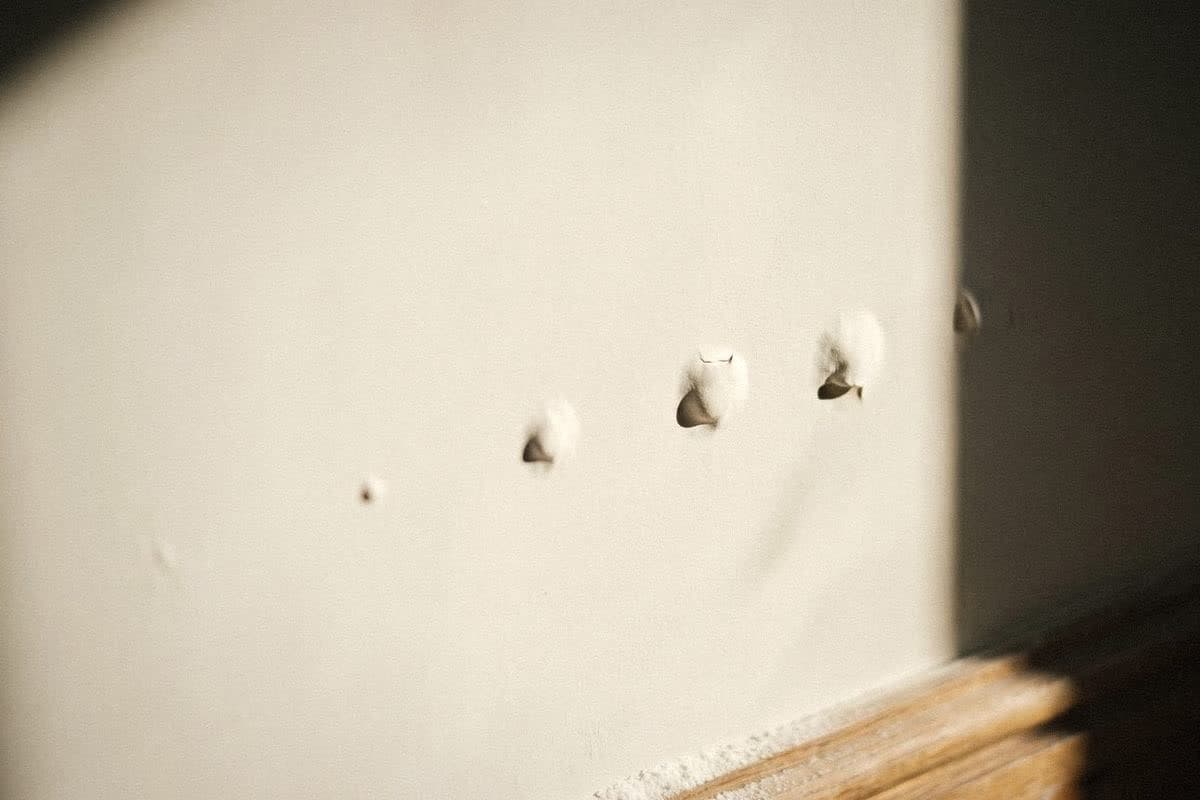
Tracing seepage to its source: look at where and when
Where the stain sits tells you a lot, like a detective reading footprints. A stain that starts high up near the ceiling usually comes from the roof or gutters. An even band of damp along the bottom of the wall is usually moisture rising from the ground. A ring around one spot in the middle of the wall is usually a water pipe inside the wall, or a bathroom on the other side.
Timing tells you too. If the wall is damp only after rain, check the roof, gutters, window sills and cracks in the exterior wall on the side the rain blows against. If it is damp all the time, even in the dry season, suspect the plumbing. Turn off every tap in the house and watch the water meter. If it is still turning, water is leaking somewhere.
- Roof, gutters or blocked downpipes: the stain starts high up and is damp after rain
- Water pipes in the wall, or a bathroom on the other side: a ring-shaped stain, damp all the time, the water meter turns on its own
- Damp from the ground: a damp band at the bottom of the wall, with salt marks
- Rain driven into cracks in the exterior wall: damp only on the side that faces the rain, worse after storms
- Air-conditioner drain pipes, or poorly insulated refrigerant pipes: stains beneath the pipe run or under the unit
- Condensation: air-conditioned rooms with an outside wall, stuffy rooms, bathrooms with no extractor fan
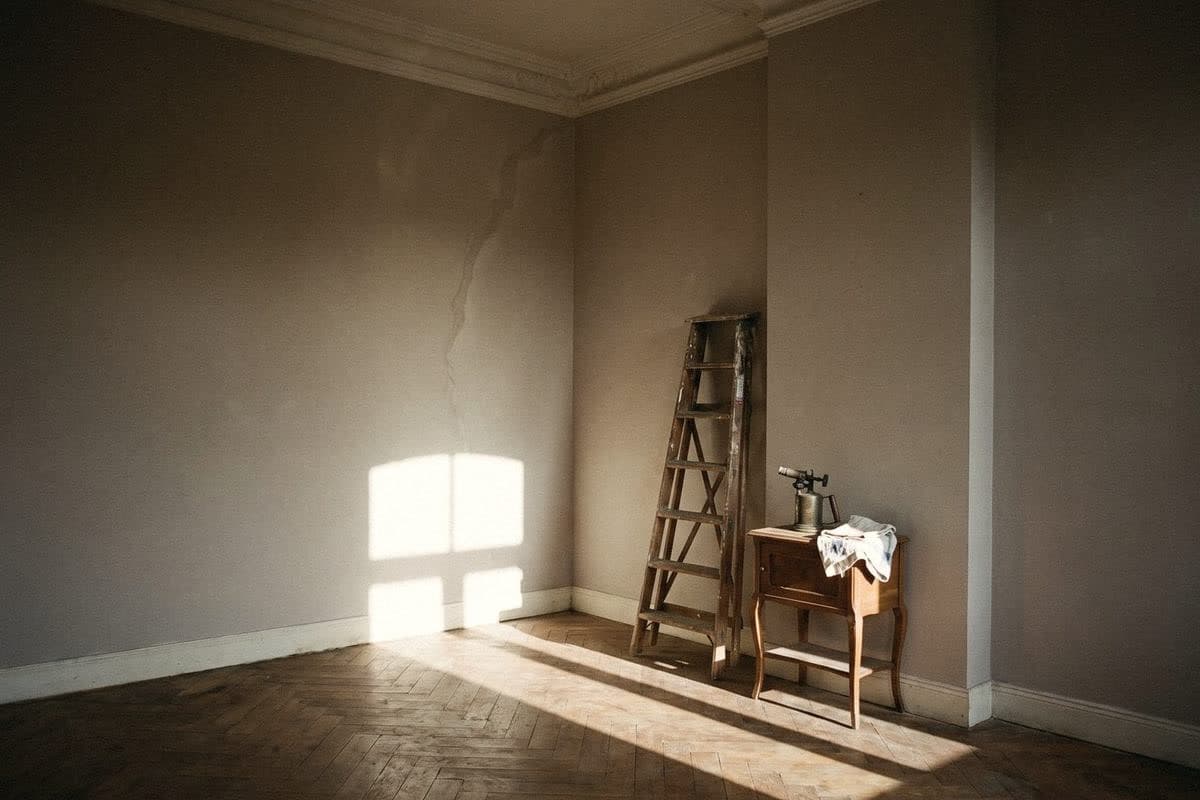
The order of repairs: fix the water first, the paint after
Getting the order wrong is the most common way people end up paying twice. Many households rush to repaint first because the stain looks ugly, and two months later the paint has blistered again in the same place. The money for paint and labour goes down the drain with the water.
Some of the work on the cause you can do yourself, such as clearing the gutters, moving the end of the air-conditioner drain pipe away from the wall, or opening up ventilation. But a leaking roof, a leaking pipe inside the wall or damp from the ground should be looked at by a plumber or waterproofing specialist, because the exact spot has to be found. Otherwise you will be chiselling into the wall again and again.
- 1. Find where the water comes from, and fix it at the source
- 2. Let the wall dry completely; don't rush
- 3. Scrape off blistered, peeling and flaking paint back to a sound surface
- 4. Brush off salt deposits with a dry brush, and wipe away mould with a fungicide
- 5. Repair cracks and damaged render
- 6. Apply one coat of primer, then two coats of paint
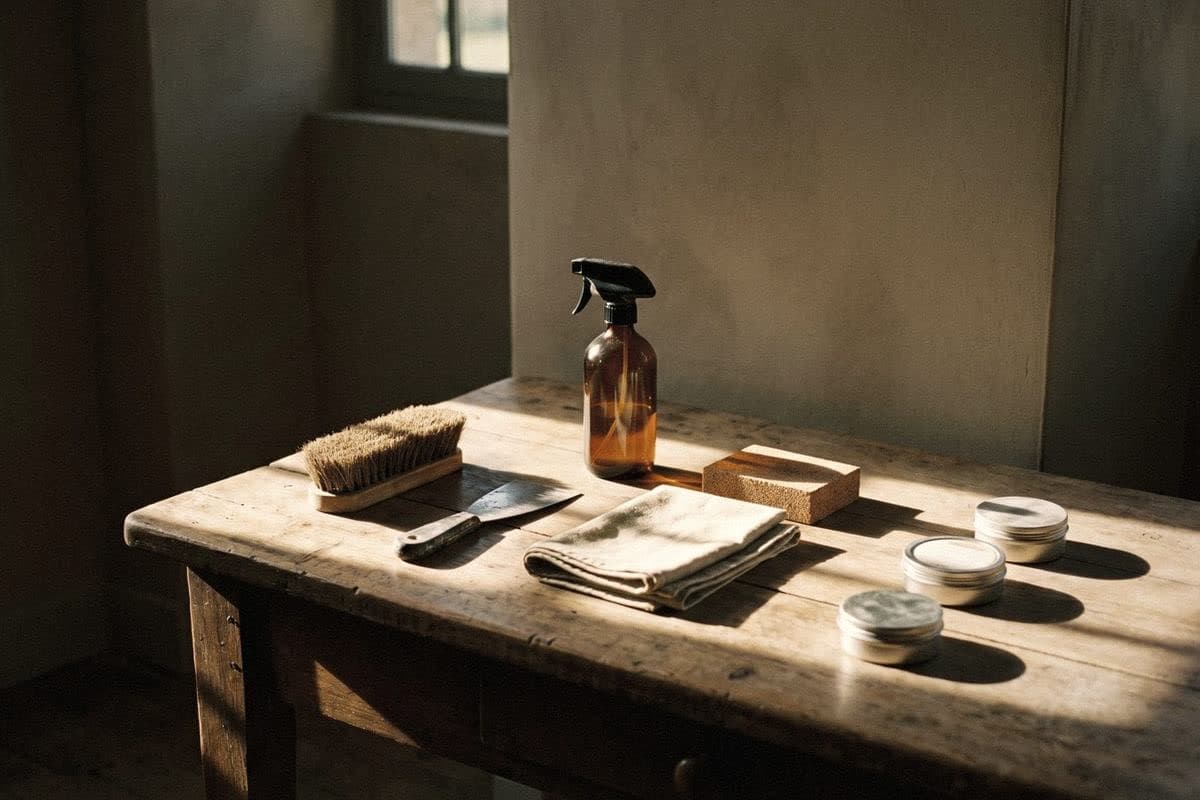
How long a damp wall needs to dry
The honest answer is longer than you'd like. A thick render wall that has been holding water for a long time may need several weeks, some walls a month, depending on the thickness, how much water it holds, the weather and the ventilation. In the rainy season it dries noticeably more slowly than in the dry season.
An easy check is to cut a sheet of clear plastic about the size of A4 paper and tape it to the wall with the edges fully sealed. Leave it for one day. If, when you lift it, there are droplets on the inside, or the wall under the sheet is darker than around it, the wall is still damp. A wall moisture meter is more accurate still, and many waterproofing contractors carry one.
While you wait, opening the windows, running a fan at the wall or running a dehumidifier in a closed room helps a lot. But don't use a hairdryer or strong heat on one spot. The surface will dry while the inside stays damp.
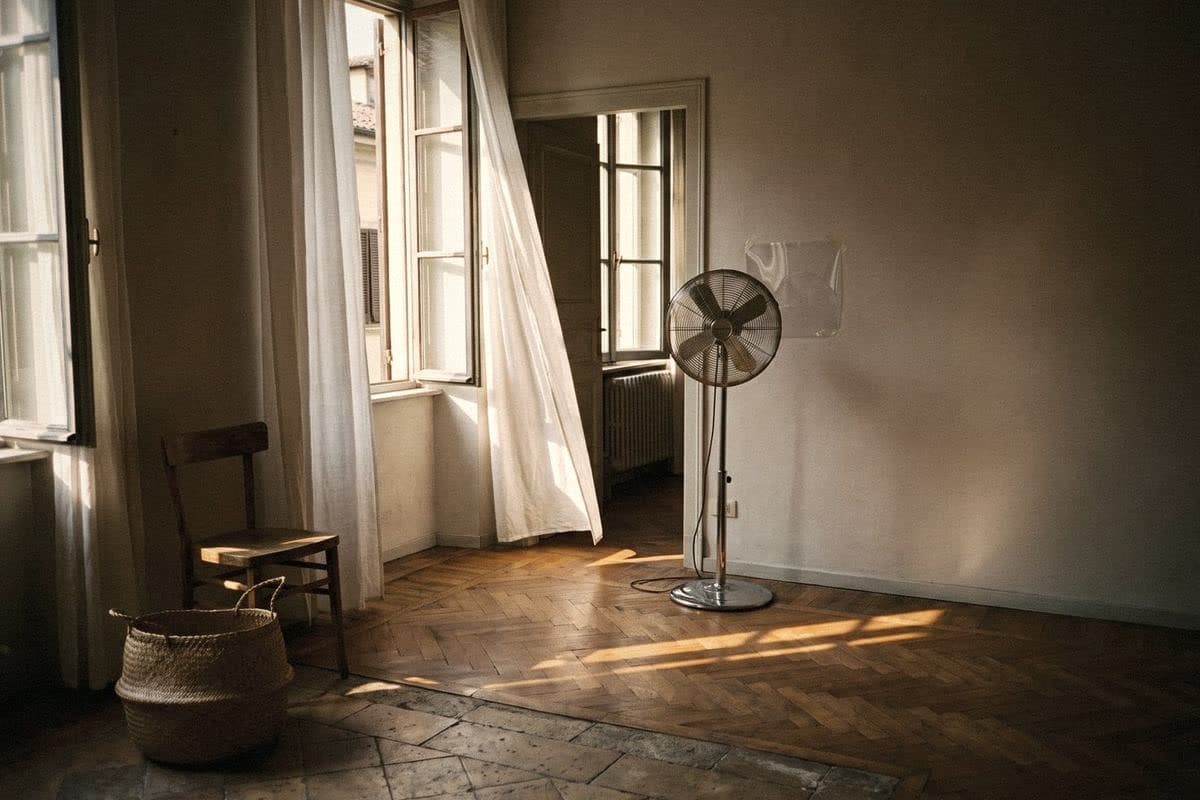
Scrape, prime and repaint so the peeling doesn't come back
Once the wall is dry, preparing the surface is half the job. Scrape off all the blistered or flaking paint. Stick some adhesive tape on the edges of the paint around it and pull: if paint comes away on the tape, it isn't holding well and you need to keep scraping. Then sand the edge where old paint meets bare render into a smooth slope, so you won't see a raised ridge after painting.
A wall that has been damp and had salt on it needs an old-concrete primer to help bind the surface. Apply one coat over the whole repaired area and a little beyond onto the sound surface. Voqe Primer old concrete works for a job like this. Follow it with two coats of water-based acrylic paint over the whole wall, corner to corner.
Water-based acrylic paint lets some vapour through, which is kind to render walls. But no paint of any kind can hold back water that keeps flowing in from its source. If the paint ever blisters in the same place again, don't blame the paint yet. Go back and check the water's source once more.
- Test with adhesive tape whether the surrounding paint is still holding well
- Sand the edge between old paint and render into a smooth slope
- Brush off dust and salt deposits with a dry brush before priming
- One coat of primer, two coats of paint
- For exterior work, choose a day with no rain for at least several hours after painting
Keep water out of your walls before the next rains
Prevention is always cheaper than repair. Just before the rainy season is the best time to walk once around the house and look for every door water likes to use to get in.
Inside, the moisture from everyday life matters just as much. A bathroom steamed up every day, a wardrobe pushed against an outside wall, or a room that is shut up all day with the air conditioning off are all favourite places for mould and peeling paint.
- Clear the gutters and downpipes so water lands well away from the base of the wall
- Seal cracks in the exterior walls, especially on the side that takes the rain
- Check the sealant around window frames and the drip mouldings above windows
- Connect the air-conditioner drain pipe to a drain rather than letting it drip onto the wall or the ground beside it
- Run the bathroom extractor fan every time after a shower
- Leave a gap behind wardrobes against outside walls so air can pass
“Paint doesn't blister because it hates your wall. It blisters because there is water behind it.”
Frequently asked questions
How do I fix water seeping into a wall?
Find where the water comes from first, such as the roof, gutters, plumbing, damp from the ground, cracks in the exterior wall or air-conditioner pipes, and fix it at the source. Let the wall dry completely, then scrape off the damaged paint, apply primer and repaint with two coats.
What causes paint to blister?
Mostly water or vapour inside the render pushing the paint film from behind. It can also come from painting while the wall is still damp, painting over dust or grease, or skipping the primer.
Can I paint over a damp wall?
You shouldn't. The paint won't grip properly and will blister or peel again. Fix the cause and wait until the wall is completely dry first. You can test by taping a plastic sheet to the wall for a day: if there are droplets on the inside, it is still damp.
Do I need to scrape off all the peeling paint?
Scrape off the blistered, peeling and flaking parts back to a surface that is firmly bonded. There is no need to scrape off paint that is still holding well. Test it with adhesive tape, then sand the edges smooth before priming.
What is the white powder at the bottom of my wall?
It is salt that water has carried out of the render and brick, a sign that moisture is passing through the wall, usually damp from the ground. Brush it off with a dry brush, and fix the cause of the damp before painting.

Colour on a screen never matches colour on a wall
Order a sample to paint at home, or come and see the full shade library at Voqe Studio, Bang Phli.
Send the team a photo of your wallRead next
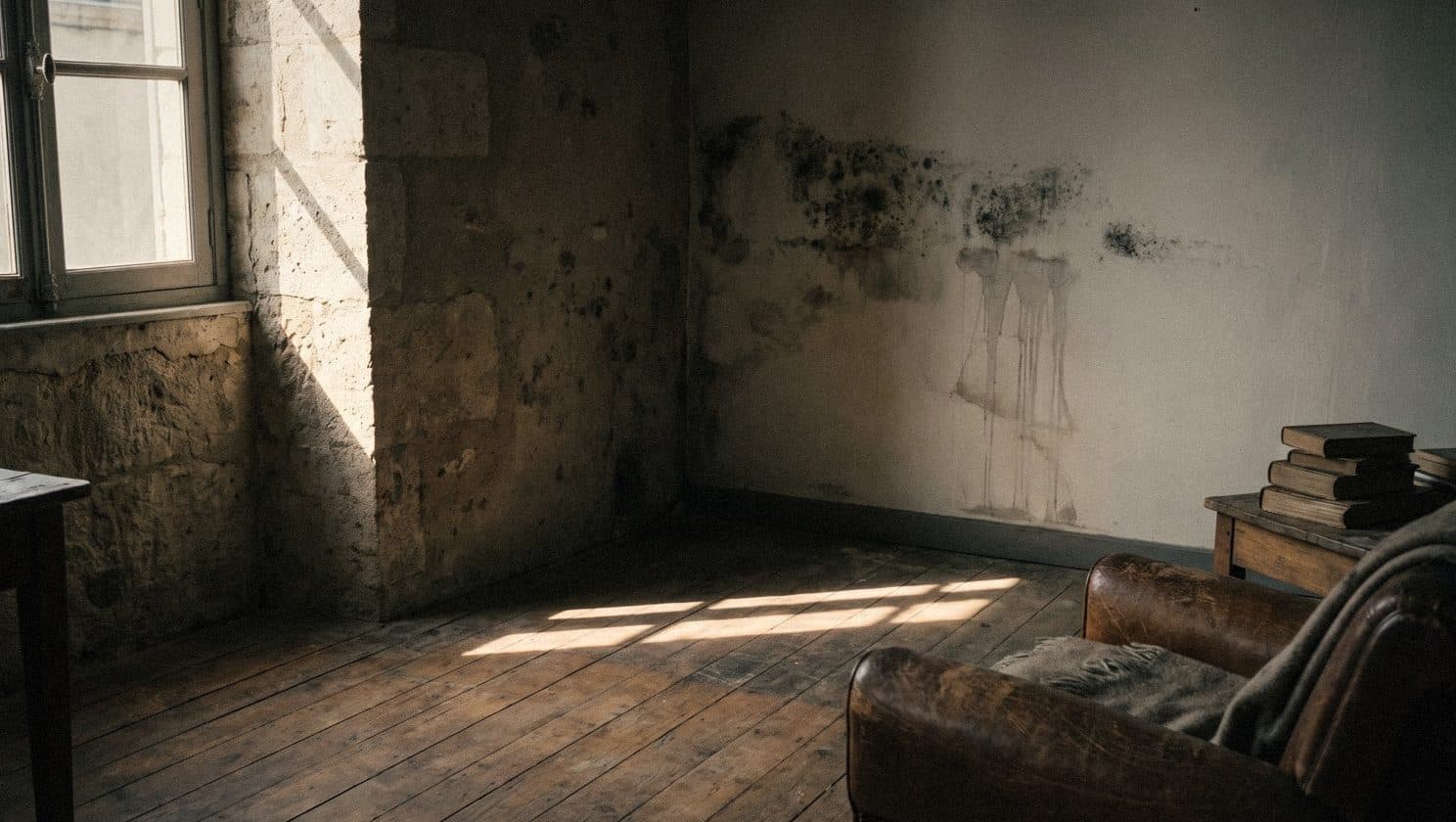
Mouldy walls: what causes them, how to clean them, and how to stop the mould coming back
Mould on a wall isn't a paint problem. It's a water problem. You can wipe it off in a day, but if you don't find the water, it'll be back to say hello every rainy season.
Read article
Cracked condo walls, cracked house walls: which cracks are only skin-deep, which need an engineer, and how to repair wall cracks
Most cracks just tell you how old the house is. But some are telling you something is going on inside. Learn to tell them apart first, then repair them the right way.
Read article
How to paint a house exterior: repainting an old concrete house, every step from washing the walls to the final coat
Two coats of paint can make an old house look new. But how long that paint lasts is decided on the day you wash the walls.
Read article